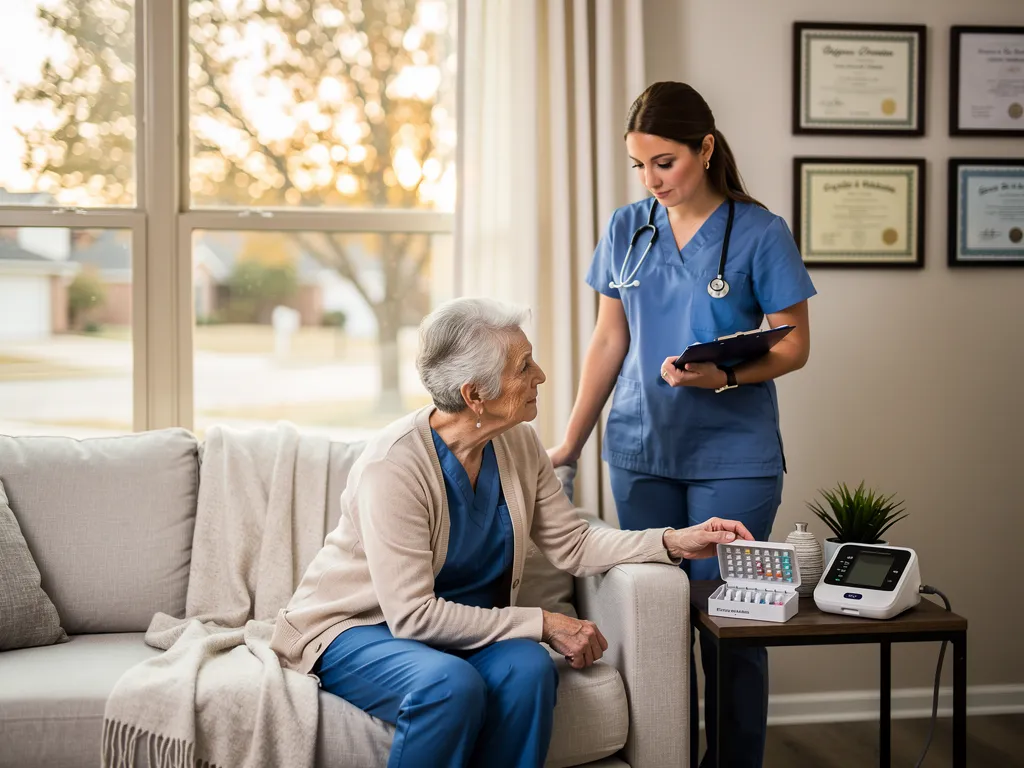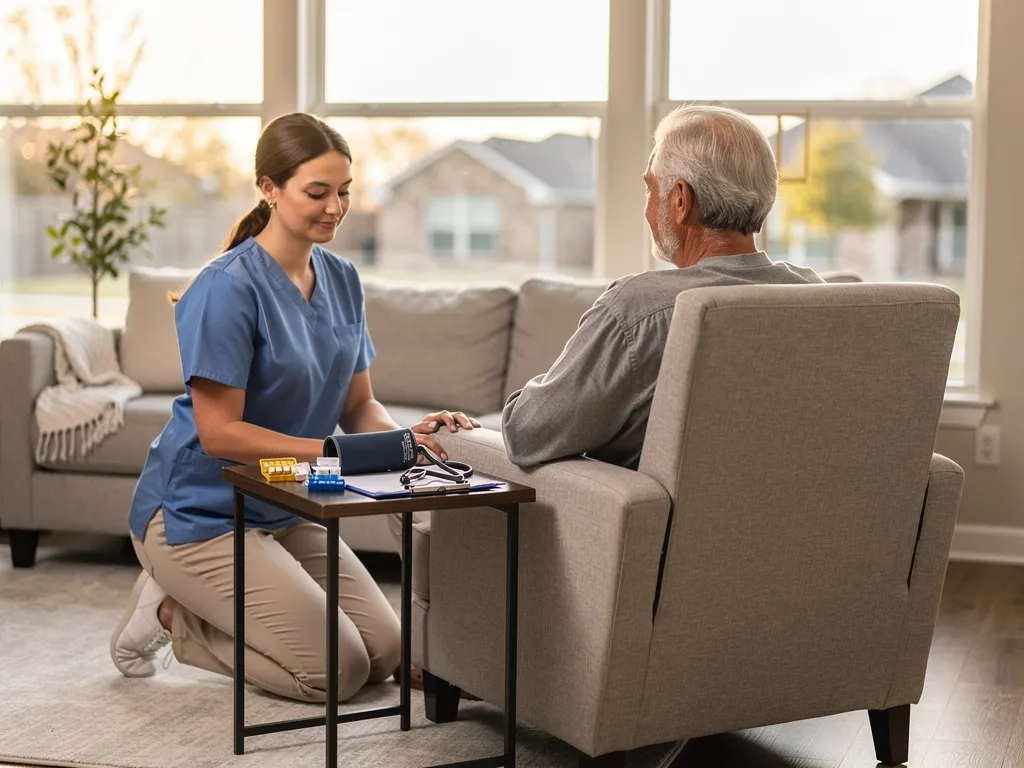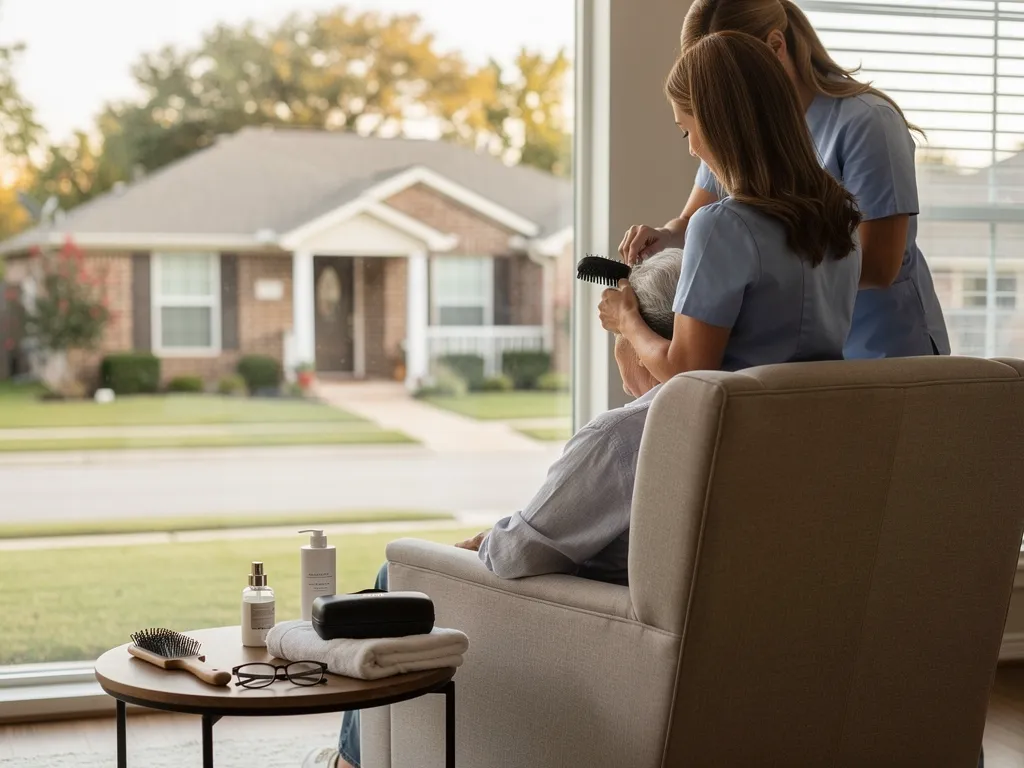
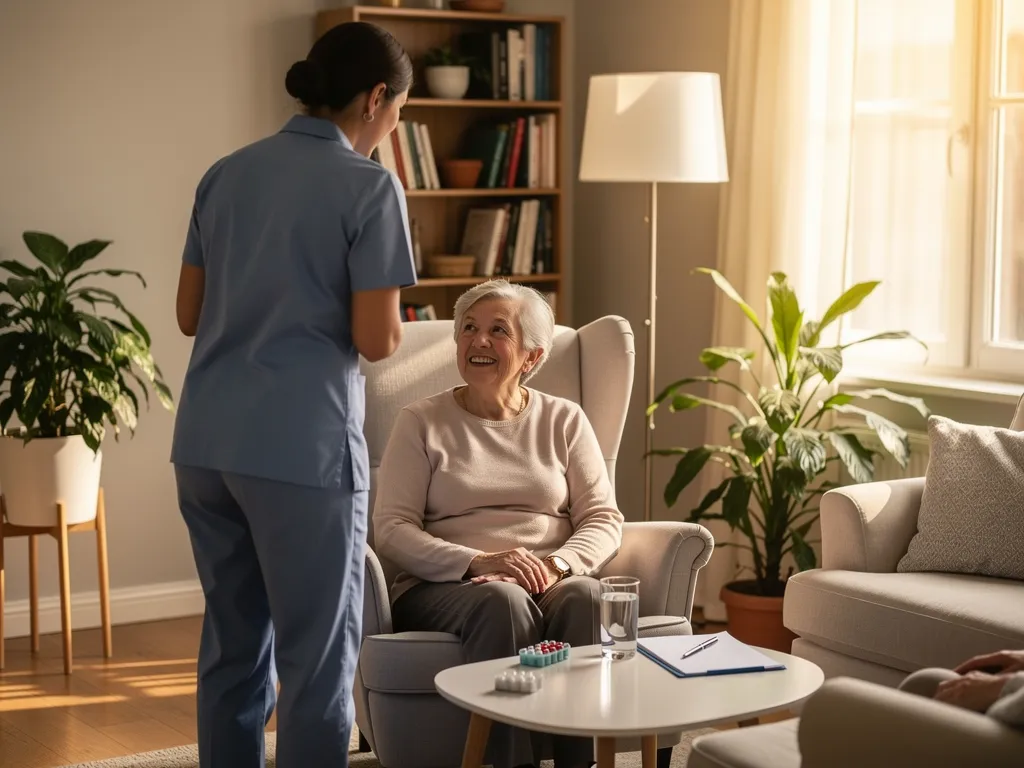
Reputable home care agencies like 1 Mission Home Care screen caregivers through state and federal background checks, abuse registry searches, and reference verifications. All caregivers complete 100% THHS certification and ongoing training under registered nurse supervision. What Steps Are Taken to Ensure the Caregivers Are Well-Trained and Qualified? ensures only qualified, compassionate professionals provide personalized care.
How do agencies screen caregivers before hiring?
Agencies screen caregivers through a multi-layered process that verifies identity, checks criminal history, and confirms professional competence. Skipping any of these steps exposes families to unvetted individuals and creates serious safety risks. 1 Mission Home Care mandates that every caregiver holds 100% THHS certification, a credential that requires rigorous background checks and identity verification before a caregiver ever enters a client’s home.
The screening process begins with foundational legal protections. Professional home care agencies must be licensed, bonded, and insured in every state where they operate. This requirement protects clients, families, and caregivers while ensuring compliance with state regulations. Without these safeguards, families bear full liability for accidents, theft, or negligence that occurs in the home.
What specific background checks do reputable agencies run?
Thorough agencies go beyond basic criminal checks. Screening includes fingerprinting where required by state law and mandatory abuse registry checks. These searches flag individuals with histories of elder abuse, neglect, or exploitation, records that a standard background check might miss. The Minnesota Department of Health confirms that home care licensure laws require agencies to meet these standards before deploying caregivers to any residence.
Why do employer references matter more than personal ones?
Personal references offer limited insight into a caregiver’s professional reliability. Reference calls must reach previous employers, not just friends or family members. Former supervisors confirm attendance patterns, skill competency, and how the caregiver handled difficult situations. 1 Mission Home Care emphasizes continuous caregiver training and care led by registered nurses.
1 Mission Home Care reinforces these screening layers with ongoing supervision. All caregivers work under the direction of registered nurses who monitor care quality and intervene when standards slip. The combination of THHS certification, fingerprinting, abuse registry checks, and verified employer references creates a screening framework that filters out unqualified applicants before they reach a family’s doorstep.
What training do caregivers receive before starting?
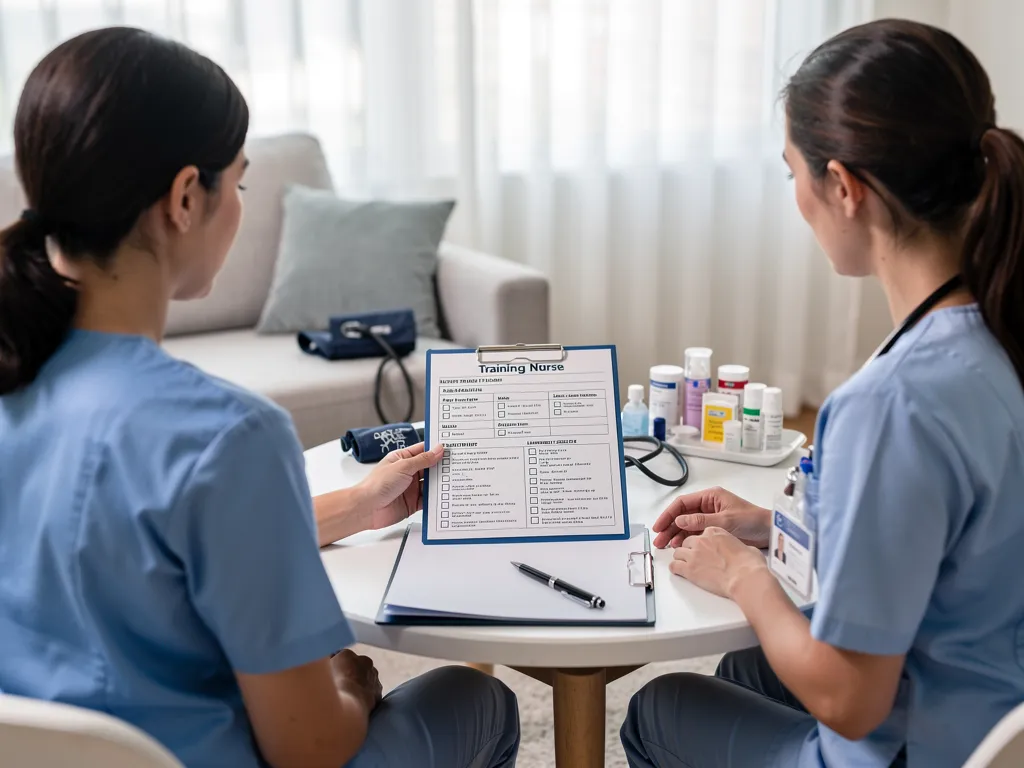
Caregivers at 1 Mission Home Care complete a structured training program before ever entering a client’s home. The process builds competence in essential care tasks while reinforcing the agency’s commitment to dignity and respect.
Caregiver preparation begins with foundational skills. Training covers mobility assistance, personal care routines, and safety protocols that protect both the client and the caregiver. These core competencies ensure every team member can handle daily support tasks confidently and safely.
What specialized training is provided for memory care?
Specialized instruction in Alzheimer’s and dementia care techniques equips caregivers to support clients with memory loss. The training addresses communication strategies, behavior management, and creating calm environments. This preparation helps families feel secure knowing their loved one receives informed, compassionate support.
The agency emphasizes continuous learning to keep skills sharp. Ongoing education sessions address emerging care techniques and reinforce best practices. This dedication to development means caregivers stay prepared for evolving client needs.
How does training address emotional support and communication?
Training includes client communication methods and dignity-first care approaches. Caregivers learn to provide emotional support while respecting each senior’s preferences and personal history. The agency’s warm, empathetic philosophy shapes every interaction, treating clients as valued individuals rather than tasks to complete.
Supervision by registered nurses adds another layer of quality assurance. Nurses oversee caregiver performance and provide guidance on complex care situations. This clinical oversight, combined with thorough initial training, creates a team ready to deliver safe, respectful, and personalized home care.
How does the agency match caregivers to clients?
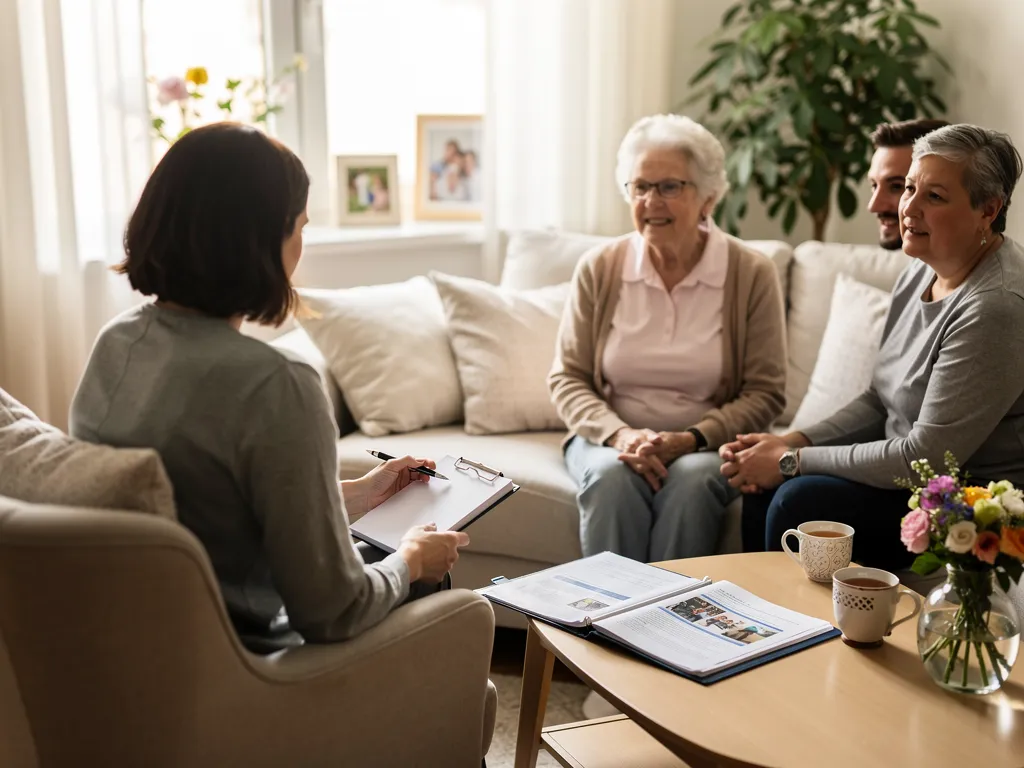
1Mission Home Care builds every caregiver match on a detailed, no-cost in-home assessment. The assessment identifies the senior’s specific needs, daily routines, and personal preferences before any care plan takes shape. Skipping this step risks a mismatch that disrupts comfort and trust from day one.
The agency then develops a care plan tailored to the individual. That plan drives the matching process. 1Mission Home Care pairs the client with a caregiver whose skills and personality align with the documented needs. A senior requiring Alzheimer’s care or dementia care receives a caregiver trained specifically for those conditions. A client who values quiet companionship gets a different match than one who thrives on conversation and activity. The company’s 100% THHS certified caregivers operate under registered nurse supervision, so clinical requirements never get overlooked.
What role does the in-home assessment play in matching?
The assessment captures more than a checklist of physical needs. It reveals the senior’s temperament, hobbies, and communication style. 1 Mission Home Care uses that full picture to select a caregiver who fits the household rhythm. A rushed or generic match often fails within weeks. A match grounded in real observation lasts.
Can families interview caregivers before services begin?
Yes. Families gain the option to interview and select their own caregiver before the first shift. This step builds confidence and gives adult children direct input into who enters their parent’s home. 1 Mission Home Care offers personalized care plans tailored directly to individual needs based on a free in-home assessment. 1 Mission Home Care supports that same principle, ensuring the final match feels right to everyone involved.
What ongoing supervision do caregivers receive?
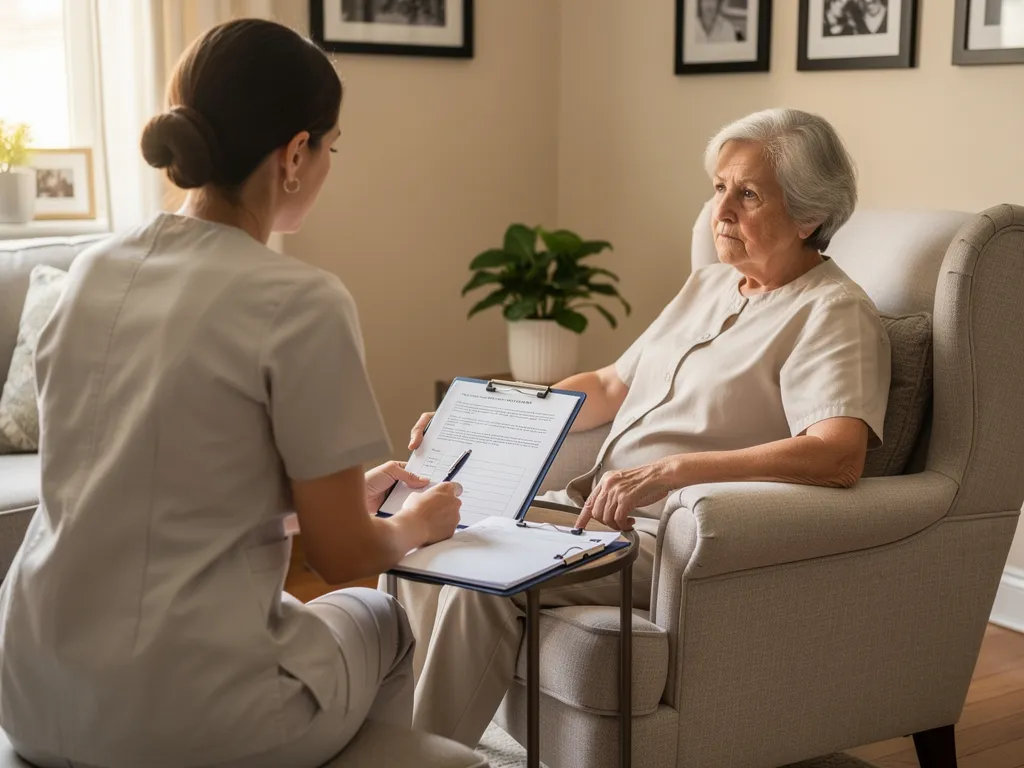
Registered nurses lead and supervise every caregiver at 1 Mission Home Care. This clinical oversight ensures care delivery meets professional standards and adapts as client needs shift. Families gain a direct line of accountability that protects safety and quality.
The company’s caregivers operate within a structured supervision framework. Registered nurses conduct regular in-home visits to observe care, review protocols, and address emerging concerns. These visits catch small problems before they become serious risks. Without this layer of oversight, subtle changes in a senior’s condition go unnoticed and escalate into preventable emergencies.
How does the agency adjust care plans over time?
Care plans evolve through consistent monitoring and reassessment. 1 Mission Home Care provides a full continuum of care, which means supervision includes ongoing quality checks. When a client’s mobility declines or cognitive symptoms shift, the supervising nurse updates the care plan immediately. Families avoid the disruption of switching providers mid-service.
Who communicates changes to the family?
A designated point of contact keeps families informed when something changes. Home Care Aid recommends asking this question before hiring any agency. 1 Mission Home Care assigns a clear communication channel so adult children in McKinney and Collin County never wonder about their parent’s status. The supervising nurse relays clinical updates directly. This transparency prevents the anxiety that comes from fragmented or delayed information.
Continuous training reinforces the supervision structure. Caregivers receive ongoing skill development to maintain high standards of compassionate care. Supervisors verify competency through observation and feedback sessions. The result is a team that stays current with best practices and responds effectively to complex conditions like Alzheimer’s and dementia.
What questions should families ask about caregiver quality?
Families evaluating in-home care need direct answers about caregiver qualifications before signing any agreement. A thorough vetting process protects vulnerable seniors from unqualified or poorly matched providers. Skipping these questions leaves families exposed to safety gaps and disruptive caregiver turnover.
How does the agency screen and train its caregivers?
Background checks form the foundation of caregiver screening. Families should ask about criminal history reviews, abuse registry checks, and verification of professional certifications. The agency must also explain its training protocols. Ongoing education signals a commitment to clinical competence and compassionate service delivery. Without documented screening and training standards, families assume risks that licensed agencies eliminate through structured oversight.
How are caregivers matched to a client’s specific needs?
A personalized care plan drives effective caregiver matching. The agency should conduct a detailed assessment of the senior’s physical, cognitive, and emotional requirements before assigning staff. 1 Mission Home Care provides a free in-home assessment to identify each family member’s specific needs. This evaluation shapes a tailored care plan and informs which caregiver’s skills and temperament best suit the situation. Generic matching without this step often results in poor fit and unnecessary disruption.
What happens when a caregiver is unavailable or not working out?
Contingency planning matters before a crisis hits. Families should ask about backup protocols when a caregiver calls off, the process for replacing a poor match, and how the agency handles on-the-job injuries. Clear answers reveal operational reliability. Agencies without defined backup systems force families to scramble during emergencies. 1 Mission Home Care maintains a full continuum of care with registered nurse supervision, ensuring continuity when staffing changes occur.
Conclusion
This thorough screening and training process gives families a clear standard for evaluating any home care agency. A provider that invests in background checks, ongoing education, and registered nurse supervision demonstrates a genuine commitment to safety and quality. Families who ask these questions before signing an agreement protect their loved one from preventable risks and build a foundation of trust that supports long-term, compassionate care at home.
Frequently Asked Questions
What certifications do 1 Mission Home Care caregivers hold?
Every caregiver completes 100% THHS certification and works under registered nurse supervision, ensuring clinical standards are met before and during care delivery.
What background checks are performed before a caregiver is hired?
Caregivers undergo state and federal background checks, abuse registry searches, fingerprinting where state law requires it, and verification of employer references before ever entering a client’s home.
How does 1 Mission Home Care match a caregiver to my family member?
The agency starts with a free, no-cost in-home assessment to identify the senior’s needs, routines, and preferences, then pairs the client with a caregiver whose skills and personality fit that care plan.
Can families interview or choose their caregiver?
Yes. Families can interview and select their caregiver before services begin, giving adult children direct input into who provides care in their parent’s home.
What happens if a caregiver is unavailable or isn’t a good fit?
1 Mission Home Care maintains a full continuum of care with registered nurse supervision and backup protocols, so families have continuity of care even if a caregiver calls off or needs to be replaced.



 Copyright © All rights reserved