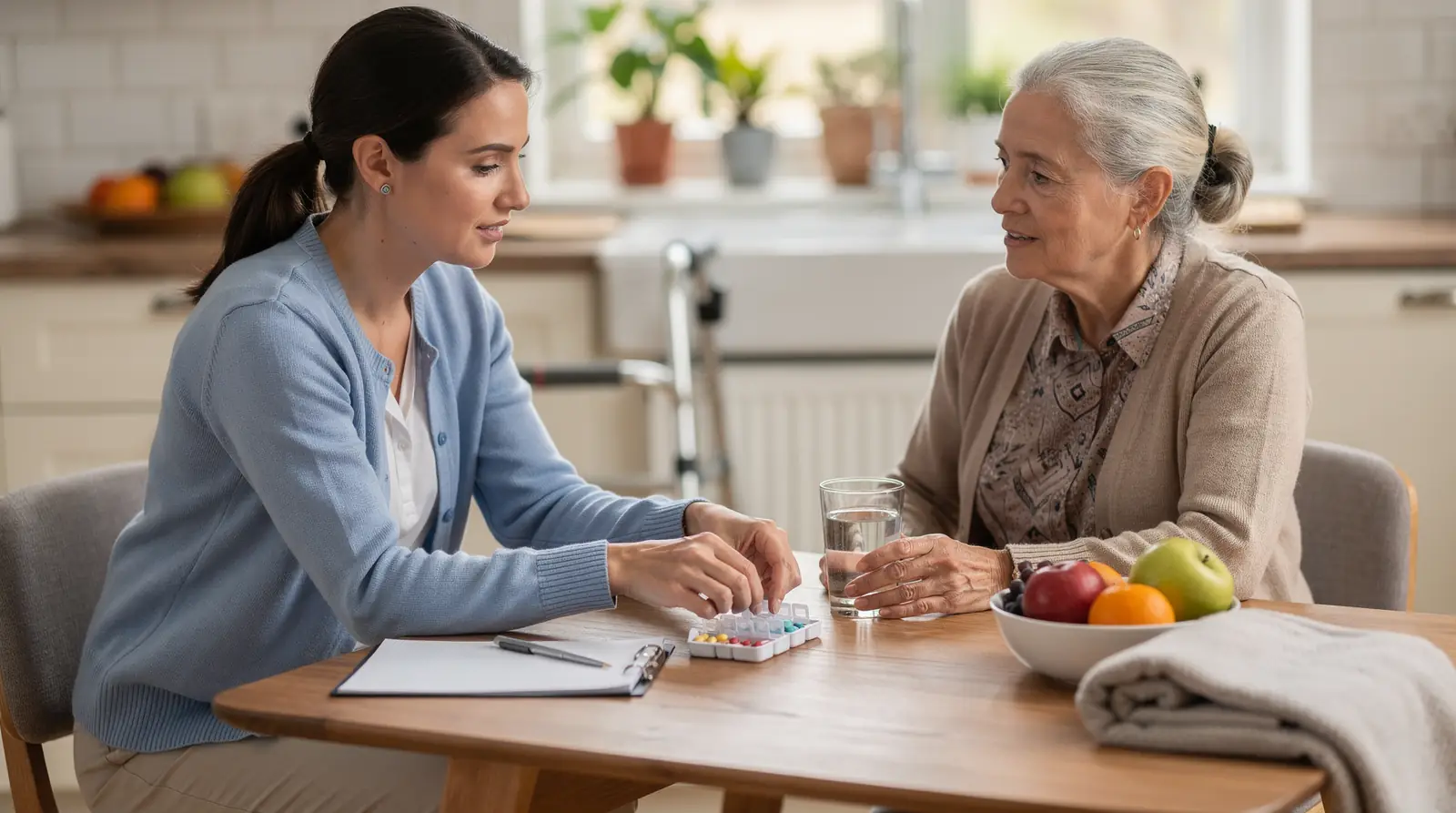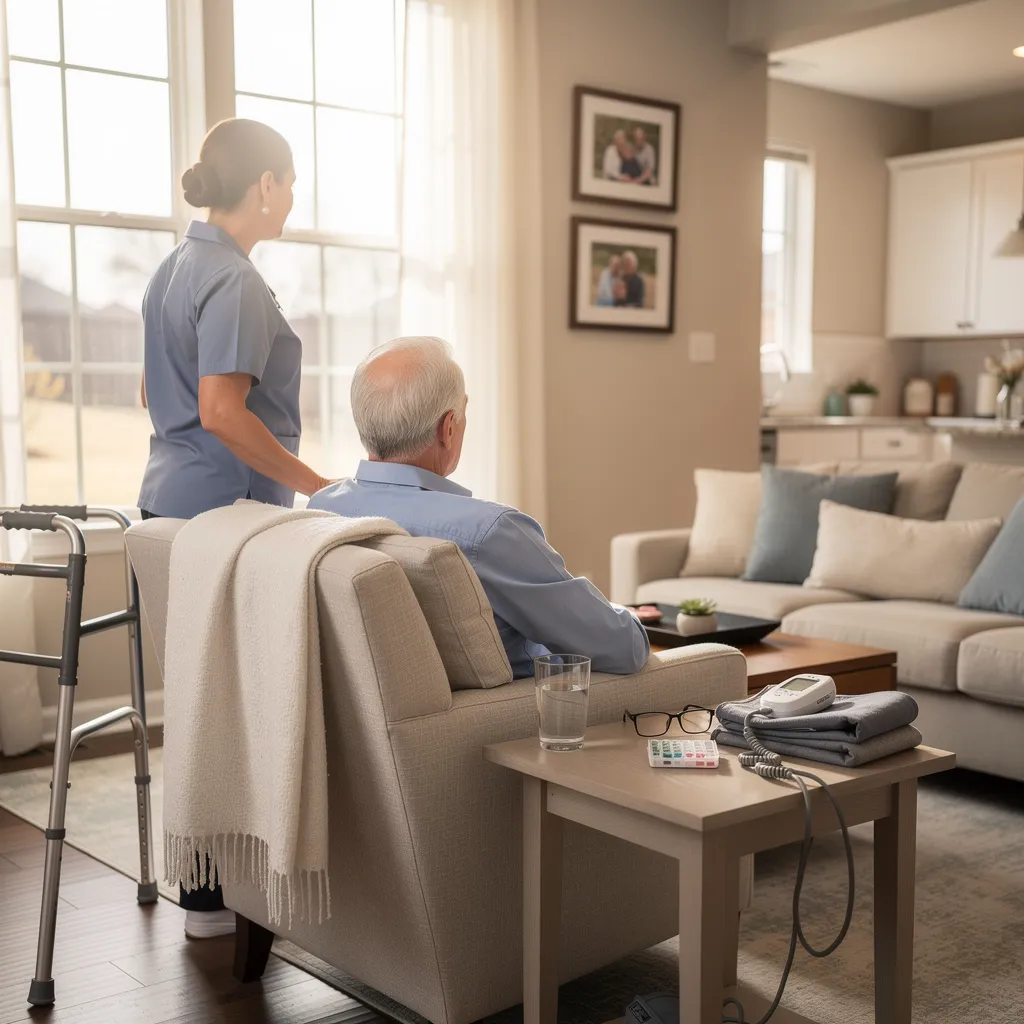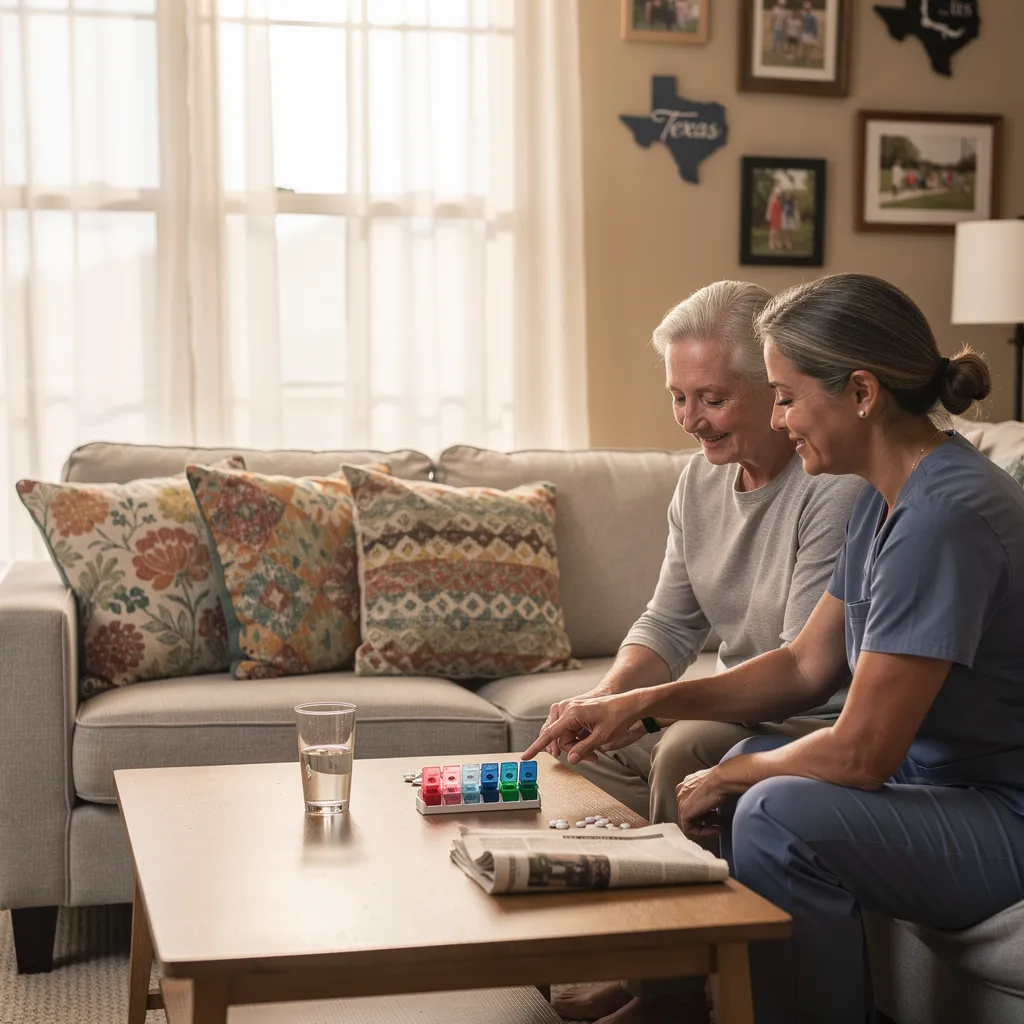
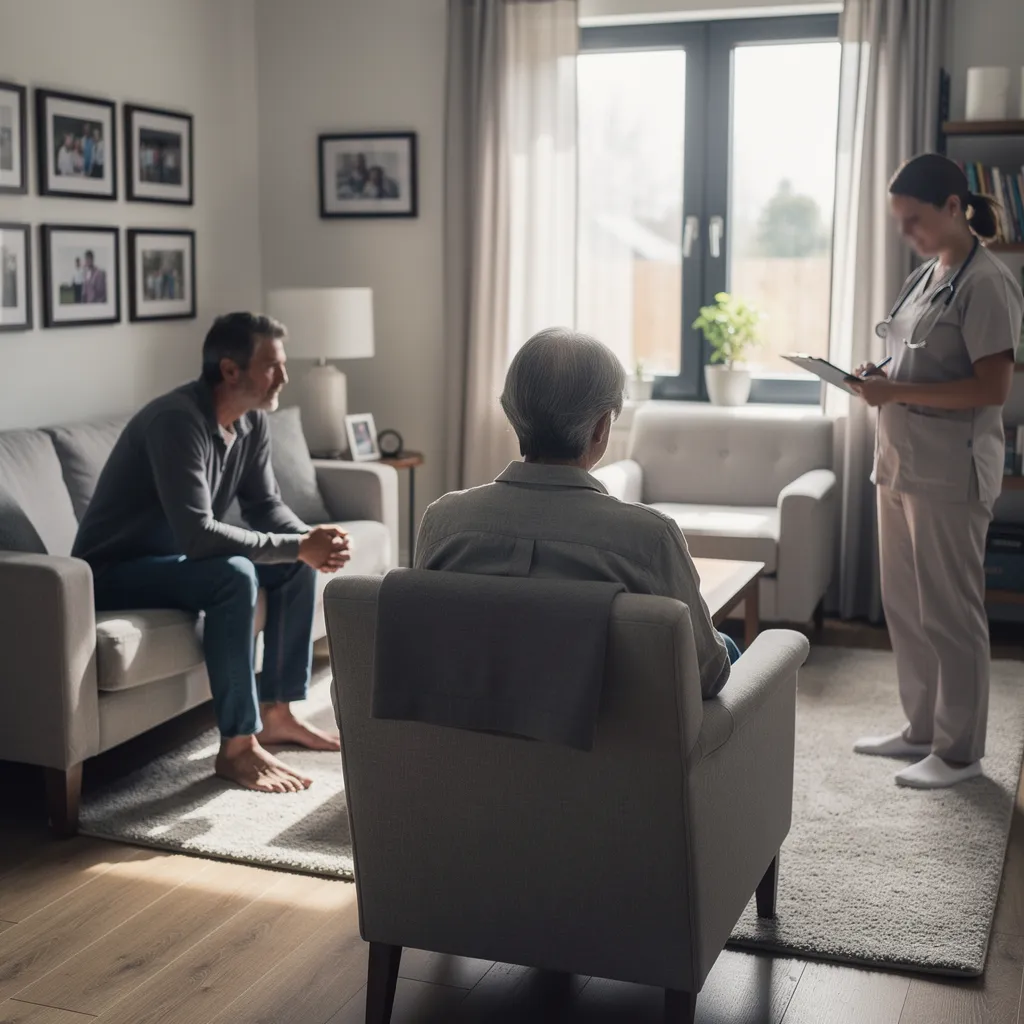
Seniors transitioning to in-home care often face anxiety over losing independence, resistance to unfamiliar caregivers, and family guilt over the decision, raising the question: What Specific Challenges Do Seniors Face When Transitioning to in-Home Care Services? Adult children manage these struggles through free in-home assessments and personalized care plans built around 100% THHS certified caregivers, all supervised by registered nurses for consistent, trustworthy support.
Why Does Leaving the Hospital Feel So Risky?
Hospital discharge ranks among the most dangerous points in an older adult’s care journey. Health systems often fail to coordinate the move from hospital to home smoothly, creating serious concerns for patient safety and quality of care. This gap explains many of the specific challenges seniors face when transitioning to in-home care services after a medical stay.
Inside a hospital, seniors lean heavily on nurses and doctors for every decision. Medication schedules, wound care, and mobility support all come from trained staff on a fixed routine. The moment discharge papers get signed, that structure disappears.
What goes wrong right after discharge?
Many seniors leave the hospital expected to manage their own recovery, often with little instruction or support. Self-management sounds simple on paper. In practice, it means remembering complex medication timing, recognizing warning signs, and handling daily tasks without the safety net that hospital staff once provided.
Families frequently underestimate how much help their aging parent actually needs during this window. The risks show up quickly:
- Missed or incorrect medication doses
- Falls during unsupervised movement
- Delayed recognition of complications
- Confusion about follow-up appointments or care instructions
1 Mission Home Care built its entire model around closing this exact gap. The agency was founded so seniors could remain in their own homes for as long as possible, rather than bouncing between facilities after a hospital stay. Every caregiver holds proper certification and works under the supervision of registered nurses, giving families a trained safety net precisely when the risk of complications runs highest. That structure replaces the uncertainty of an unsupported discharge with steady, professional attention, right when a senior needs it most.
How Does Losing Independence Affect Seniors Emotionally?
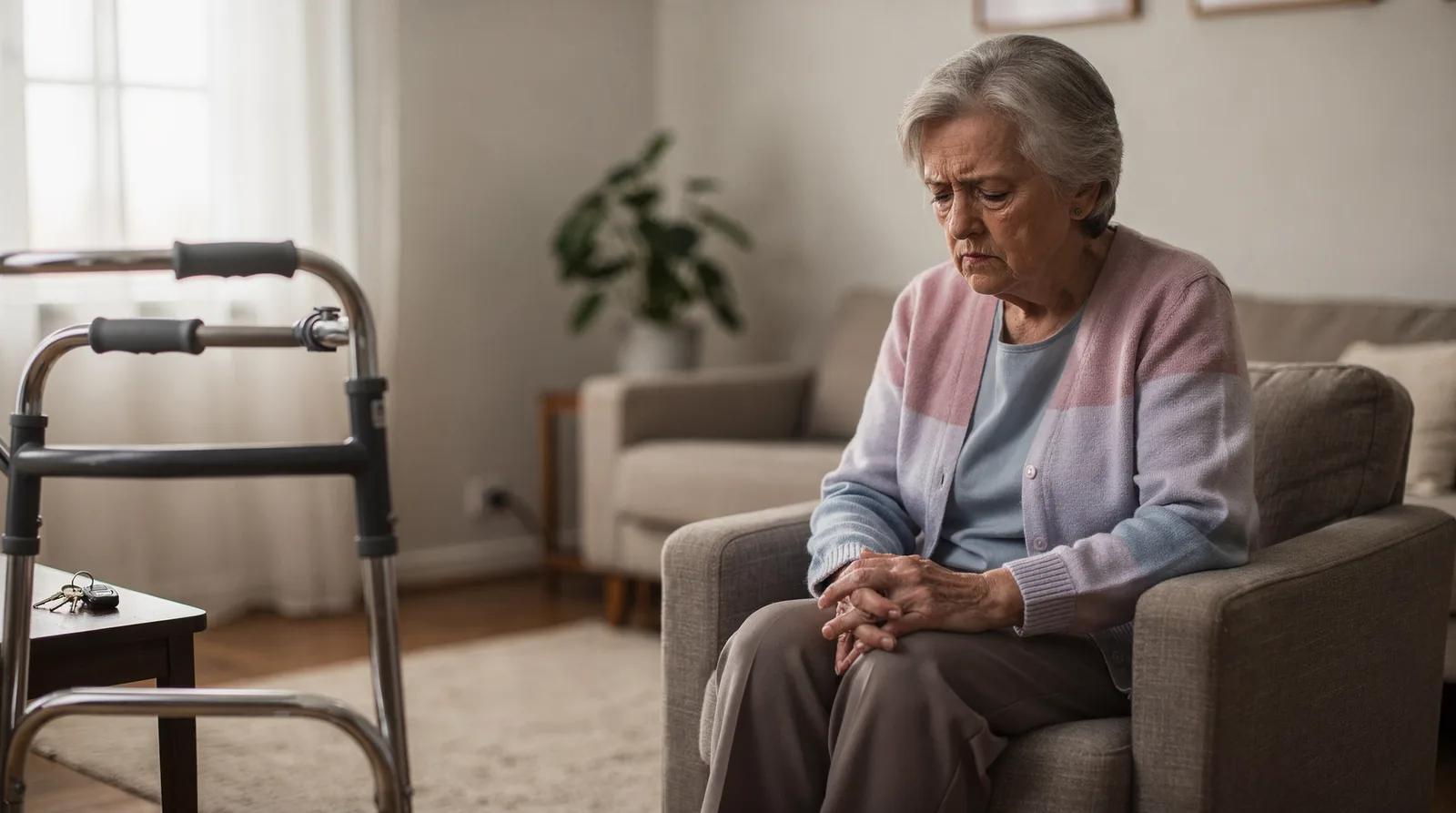
Losing independence strikes at a senior’s sense of identity, often triggering anxiety, grief, or quiet resistance to help. Care transitions rank among the most emotionally significant events in later life, capable of shaping mental health outcomes for months afterward, according to findings published in The Impact of Care Transitions on Elderly Mental Health. For a parent who has managed a household for decades, accepting outside support can feel less like relief and more like loss.
Families rarely experience this shift the same way seniors do. Adult children often describe a tangled mix of relief and guilt once professional care begins. Their aging parent may quietly dread having a stranger in the home or fear that independence is slipping away for good, as noted in reporting on transitioning from family to professional home care.
Why Do Seniors Resist Accepting Help at Home?
Pride plays a major role. Many seniors equate accepting care with admitting decline, even when their health and safety clearly benefit. Resistance often softens once the caregiving relationship feels personal rather than clinical.
What specific challenges do seniors face when transitioning to in-home care services emotionally? The most common include:
- Fear of losing control over daily routines
- Embarrassment about needing physical assistance
- Grief over changing family roles
- Distrust of an unfamiliar caregiver in a private space
1 Mission Home Care addresses these challenges through a kindness-driven, empathetic approach, treating every client with respect and dignified care rather than clinical detachment. This philosophy anchors the agency’s broader mission: creating an environment, and an inclusive, respectful atmosphere. Seniors feel supported at home instead of displaced from it.
What Happens When Family Care Becomes Professional Care?
Bringing professional caregivers into a senior’s daily routine marks a major turning point for the whole household. The shift reaches beyond the senior alone. It reshapes roles for adult children, spouses, and siblings who have shared caregiving duties. Family members transitioning seniors to in-home care services often discover that the change affects how everyone communicates, divides responsibilities, and manages worry about a parent’s safety.
For McKinney families, that shift starts with a concrete first step rather than guesswork. 1 Mission Home Care opens every relationship with a free in-home assessment, conducted at the senior’s home, to identify specific needs before a single caregiving hour begins. This visit looks at mobility, memory, daily routines, and any medical concerns that shape what support looks like day to day.
What does the assessment actually lead to?
The assessment isn’t a formality; it directly shapes the care plan. Findings from the visit allow 1 Mission Home Care to build a plan matched to the senior’s needs. Pair that plan with a caregiver suited to the family’s personality and preferences. Families leave the process with clarity instead of uncertainty about what comes next.
That structure matters because professional care shouldn’t feel like a stranger taking over. 1 Mission Home Care’s family-oriented approach is designed. The transition feels like an extension of the family circle, not a replacement for it. The goal stays consistent: a senior who feels supported, and family caregivers who feel relieved rather than replaced.
| Family-Only Care | Professional Care (1 Mission Home Care) |
|---|---|
| Informal, unplanned support | Structured care plan from an in-home assessment |
| Caregiver fatigue over time | Trained caregiver matched to the senior |
| Shared duties, unclear roles | Defined support built around family involvement |
Why Do Care Coordination Gaps Put Seniors at Risk?
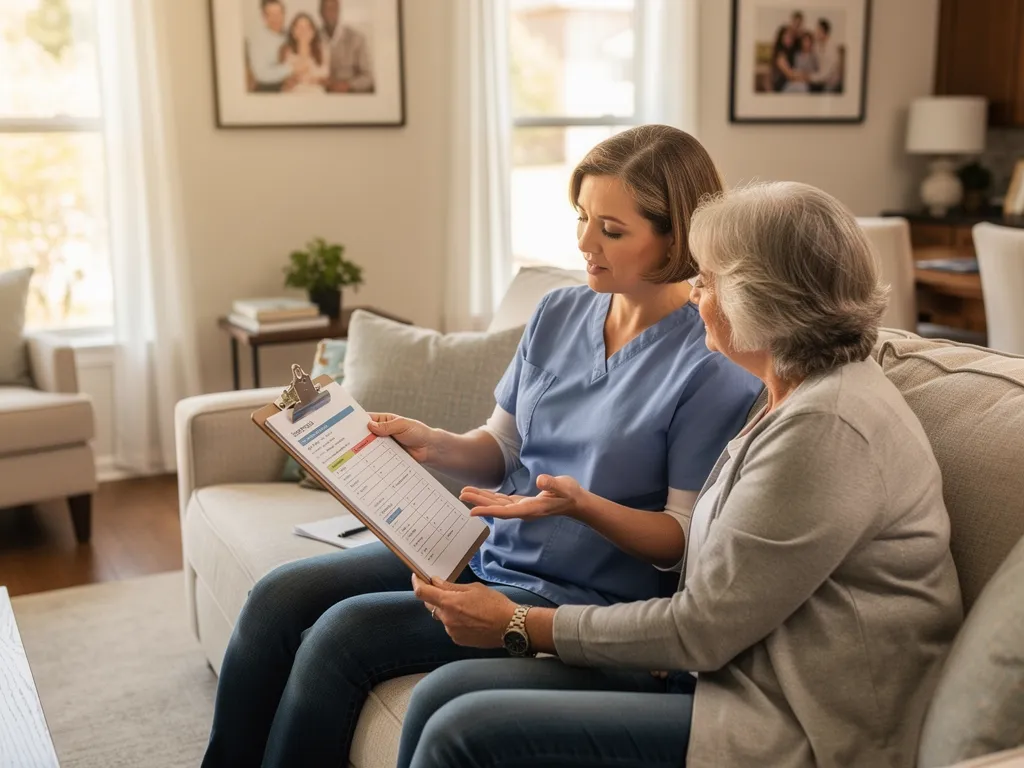
Coordination gaps put seniors at risk because families. Providers often underestimate how much daily support a senior needs after returning home, particularly when health or memory has not fully recovered. A senior who looks stable at discharge may still struggle with bathing, medication schedules, or basic meals once left alone. That mismatch between perceived need and actual need creates the opening where problems start.
Confusion during this period carries real consequences. Without clear preparation, families face risks ranging from medication errors to a broader decline in health that can send a senior back to the hospital. Gaps rarely announce themselves; they show up quietly, in a missed dose or a fall that could have been prevented.
What Happens When Care Responsibilities Aren’t Clearly Assigned?
Nobody plans to drop the ball, but vague responsibilities make it easy. One family member assumes another is handling prescriptions. A home health aide assumes the family covers transportation. These blind spots widen the very gaps that put seniors at risk.
1 Mission Home Care addresses this risk directly by building a full continuum of support around each senior’s actual daily needs. Services span:
- Personal care for hygiene, dressing, and mobility
- Respite care so family caregivers can rest without leaving gaps
- Senior transportation for appointments and errands
- Transitional caregiving during the critical window after a hospital stay or health change
Beyond service range, 1 Mission Home Care maintains collaborative relationships across the local care community and invests in continuous caregiver training. These practices matter because most transition failures trace back to poor communication, not lack of effort. Closing that communication loop, not just adding more hands, is what keeps a senior safely and confidently at home.
How Can Families Ease the Transition Home?
Planning, not improvisation, determines whether a home care transition succeeds. A well-planned shift to senior home care services sets the foundation for a lasting, positive care relationship rather than a stressful scramble triggered by a crisis. Families who prepare early avoid the rushed decisions that often leave seniors feeling unsettled and confused.
Start by matching services to the senior’s actual stage of need. 1 Mission Home Care’s offerings span companion care through specialized Alzheimer’s and dementia care. Families can find coverage for seniors at every point in their journey rather than searching for a new provider as needs change.
Consistency also matters. A personalized, comprehensive approach ensures each client receives high-quality, compassionate support built around individual circumstances, not a generic checklist. That tailored structure gives families confidence the plan will adjust as health status shifts.
What Role Does Local Support Play in a Smooth Transition?
Familiarity with the community eases anxiety for both seniors and adult children. Being locally owned and operated gives McKinney-area families a nearby, community-based resource during an already emotional adjustment, rather than a distant call center handling the case.
Families can strengthen the transition further with a few practical steps:
- Schedule a free in-home assessment before a crisis forces a quick decision.
- Involve the senior directly in choosing which tasks they want help with first.
- Revisit the care plan regularly as needs evolve, not just at the start.
- Keep communication open between caregivers, family members, and any doctors involved.
Approached this way, the transition becomes a steady process built on trust, not a single disruptive event.
Frequently Asked Questions
What is the biggest risk when a senior leaves the hospital for home care?
Hospital discharge is one of the most dangerous points in an older adult’s care journey, since the structured medication schedules, wound care, and mobility support provided by hospital staff disappear the moment discharge papers are signed. 1 Mission Home Care’s registered-nurse-supervised caregivers close that gap right away, providing trained support exactly when the risk of complications is highest.
Why do seniors resist accepting help at home?
Many seniors equate accepting care with admitting decline, which can lead to pride-driven resistance, fear of losing control over daily routines, or distrust of an unfamiliar caregiver in their home. 1 Mission Home Care’s kindness-driven, empathetic approach eases this resistance by building a personal, respectful relationship rather than a clinical one.
How does a free in-home assessment help with the transition?
The assessment is conducted at the senior’s home and evaluates mobility, memory, daily routines, and any medical concerns before a single caregiving hour begins. Those findings let 1 Mission Home Care build a care plan matched to the senior’s needs and pair them with a caregiver suited to the family’s personality and preferences.
What services are available during the transition to in-home care?
1 Mission Home Care offers personal care, respite care, senior transportation, and transitional caregiving for the critical period after a hospital stay or health change, along with companion care and specialized Alzheimer’s and dementia care as a senior’s needs evolve.
How can families in McKinney prepare for a smoother transition?
Families can schedule a free in-home assessment before a crisis forces a rushed decision, involve the senior directly in choosing which tasks they want help with first, and keep communication open between caregivers, family members, and any doctors involved as the care plan evolves.
Conclusion
In closing, transitioning to in-home care represents a meaningful step toward maintaining independence and quality of life during your senior years. While the adjustment brings real challenges, from accepting help to building trust with new caregivers, these obstacles become manageable with the right support system in place. A compassionate, personalized approach to care, grounded in respect and dignity, transforms the transition from daunting to empowering, allowing you to age gracefully within the comfort of your own home.



 Copyright © All rights reserved