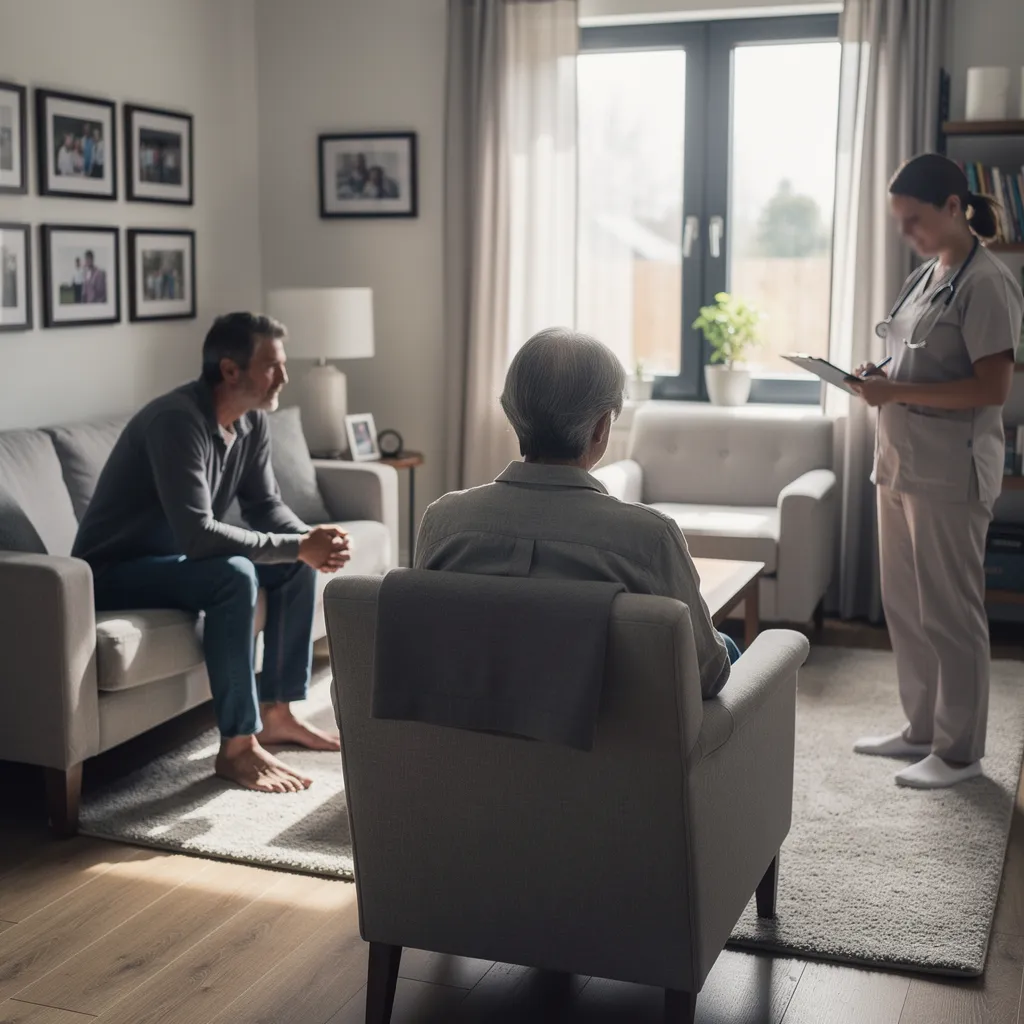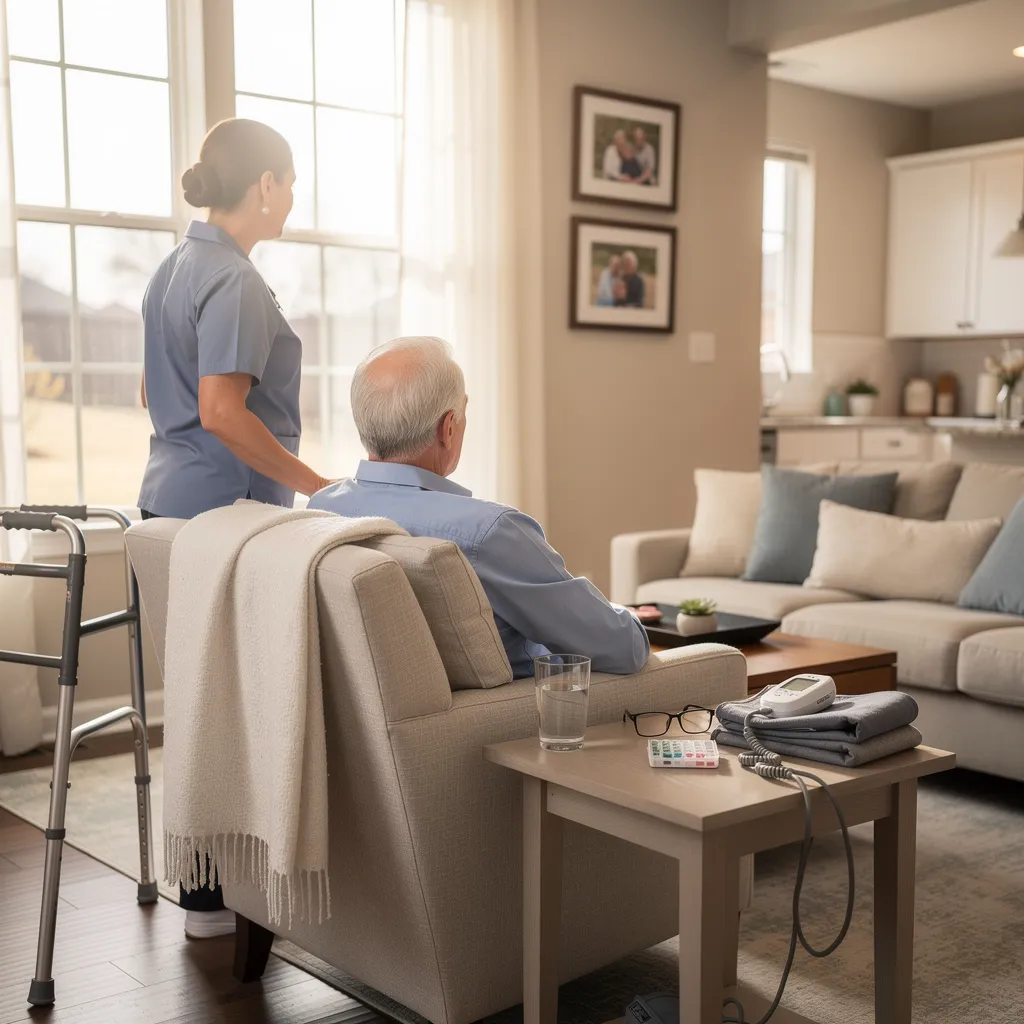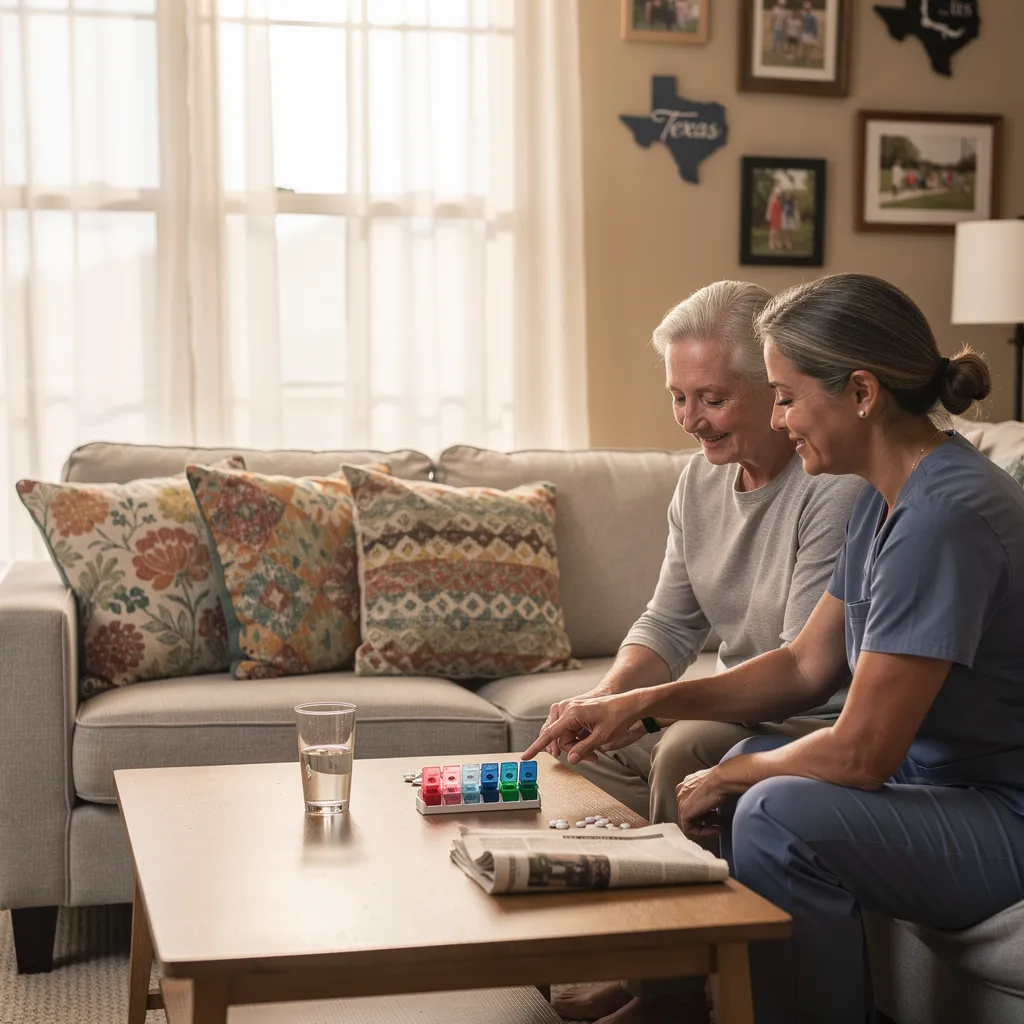

Key questions include caregiver certification status, experience with specific conditions like Alzheimer’s, availability, and supervision structure, all of which circle back to one core concern: How Can I Ensure the Caregiver Will Meet My Loved One’s Needs Effectively? Families should ask whether caregivers are THHS certified and led by registered nurses. 1 Mission Home Care requires, since certification and RN oversight directly affect safety, consistency, and quality of daily in-home care.
What Type of Care Does My Loved One Need?
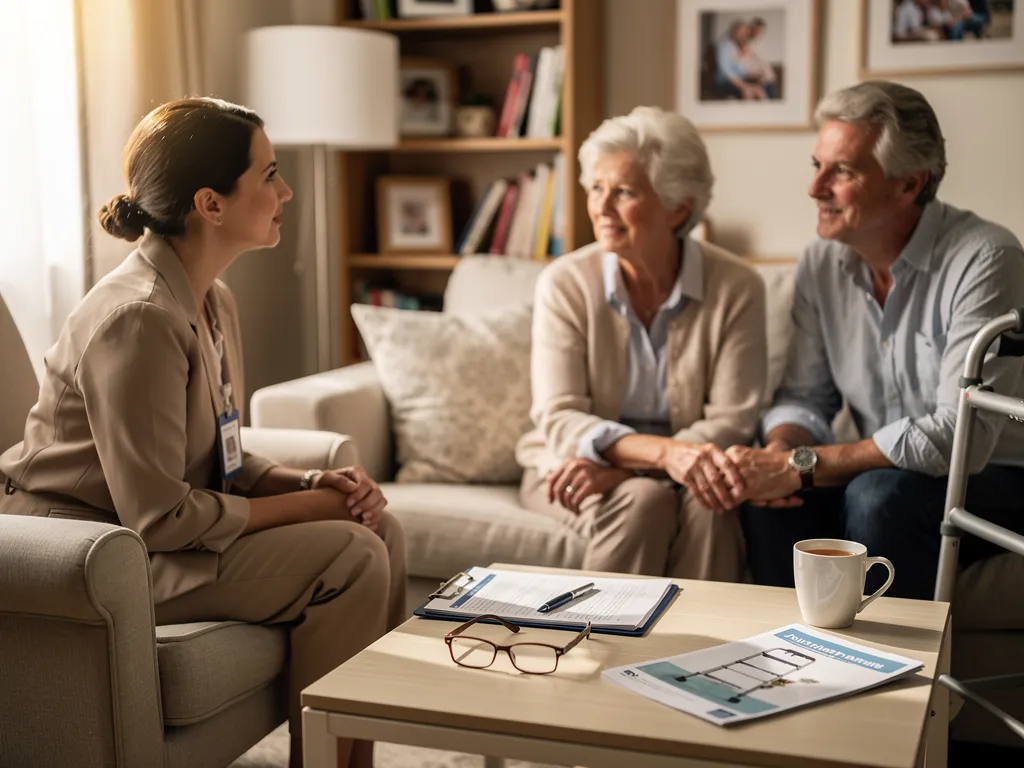
Identifying the right level of support starts with one question: does the senior need medical care, or help with daily life? Families often discover that a loved one doesn’t require a nurse at all, but rather steady assistance with everyday tasks. Recognizing this distinction shapes every decision that follows, from which caregiver to hire to how a care plan gets built.
Non-medical assistance covers a wide range of support. It can look like simple companionship, or it can mean hands-on help with bathing, eating, and dressing. Many seniors need a blend of both: someone to talk with, and someone to assist with the physical routines of the day.
How does a family know which level of care fits best?
A free in-home assessment offers the clearest answer. During this visit, a care coordinator evaluates the senior’s mobility, memory, safety risks, and daily routines in person. That hands-on look identifies specific needs before any caregiver is ever assigned. The match is based on facts rather than guesswork.
1 Mission Home Care builds its services around this exact process. Care plans stretch across a full spectrum:
- Companion care for seniors who mainly need social connection and light daily support
- Personal care for help with bathing, dressing, eating, and mobility
- Specialized Alzheimer’s and dementia care for families facing memory-related challenges
Each plan grows out of the in-home assessment, not a generic template. That distinction matters: a senior who needs occasional companionship requires a very different caregiver skill set than one managing early-stage dementia. Starting with an honest evaluation of daily needs protects families from mismatched care and gives peace of mind that support actually fits the person receiving it.
What Credentials and Training Should Caregivers Have?
Credentials separate a qualified caregiver from someone simply willing to help. Families evaluating a home care agency should confirm caregiver education, CPR and first aid certification, and any specialized training before care begins. At 1 Mission Home Care, every caregiver holds 100% THHS certification and works under the direct supervision of registered nurses, giving families a clinical safety net beyond basic caregiving skills.
That nursing oversight matters more than many families realize. Registered nurses lead every caregiver on staff, reviewing care plans and monitoring how each senior responds to daily support. This structure means caregiving decisions aren’t made in isolation; a licensed clinical professional stays involved throughout.
Training doesn’t stop at hiring, either. The agency emphasizes ongoing caregiver training, keeping skills current and standards consistent across the entire team. This continuous approach helps caregivers stay sharp on evolving best practices rather than relying solely on initial certification.
What Should Families Ask a Caregiver About Their Qualifications?
Families should ask directly about education, CPR certification, first aid training, and any additional specialized credentials a caregiver holds. Preparing a written list of questions beforehand makes the conversation calmer and more productive for everyone involved. Walking into an interview unprepared often means forgetting key questions or missing warning signs.
Why Does Nursing Supervision Matter for In-Home Caregivers?
Nursing supervision adds a layer of clinical judgment that non-medical caregivers can’t provide alone. When registered nurses oversee care plans, families gain confidence that changes in a loved one’s condition get noticed and addressed. This oversight bridges the gap between companion-level support and situations requiring closer medical attention.
Credential checklist for families to request:
- Proof of THHS certification
- CPR and first aid training records
- Details on registered nurse supervision
- Documentation of ongoing skills training
How Do I Know a Caregiver Fits?
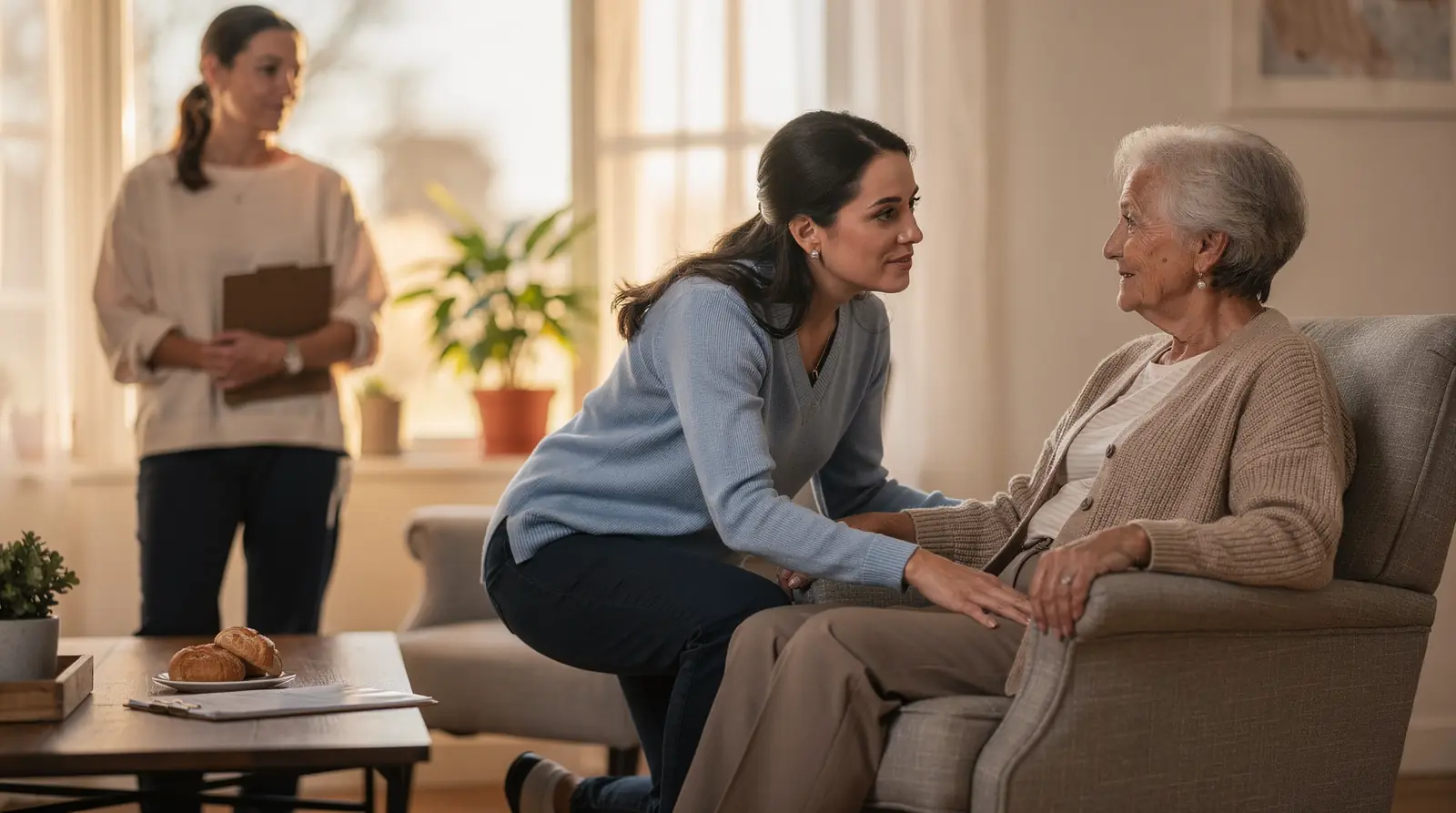
Fit shows up in specific, observable signs: a caregiver who asks thoughtful questions, listens closely, and treats a client’s routines with genuine respect. Families gauge this best by preparing questions before the first meeting. By watching how a candidate responds, not just what they say. Ensuring a caregiver meets a loved one’s needs effectively starts with structured conversation, not guesswork.
Asking a candidate why they want to provide care reveals a great deal. Motivation often separates a caregiver who sees the work as a calling from one who views it as just another job. Families at 1 Mission Home Care can expect this kind of question woven into the intake conversation. The answer shapes how well a caregiver connects with an aging parent or spouse.
A well-prepared list of interview questions also narrows the field to the strongest candidates. Families who walk in with specific topics to cover, daily routines, medical needs, personality quirks, tend to spot the right match faster.
What Does 1 Mission Home Care Do Differently?
1 Mission Home Care builds each care plan around the client first, then pairs that plan with the caregiver best suited to the individual’s personality and needs. This matching process reflects the agency’s family-oriented approach, treating every client with respect and dignified care.
What Should Families Watch For During a Trial Visit?
Patience under pressure matters more than a polished résumé. Families should notice whether the caregiver:
- Adjusts easily when a routine changes unexpectedly
- Speaks calmly and respectfully to the client
- Follows instructions without being asked twice
- Shows comfort with the home environment
These small moments often predict long-term compatibility better than any interview answer alone.
What Should I Ask About Agency Safety?
Three questions separate a trustworthy home care provider from a risky one: insurance coverage, billing transparency, and verified references. Families who skip these questions risk unexpected liability, surprise costs, or a caregiver mismatch discovered too late. A safety conversation up front prevents a crisis later.
Bonded and insured status should top the list. Families should ask directly whether an agency carries bonding and insurance coverage, since this protects both the client and the caregiver if an accident, injury, or property issue occurs in the home. An agency unwilling to answer this clearly deserves a second look.
Billing practices matter just as much as coverage. Families deserve a clear explanation of rates, invoicing schedules, and any additional fees before care begins, not after the first bill arrives. Surprise charges erode trust quickly, especially during an already stressful transition into home care.
Why do references matter when choosing a caregiver?
References from other families offer a reality check that marketing materials cannot. Hearing directly from households who have used an agency’s services builds confidence. Reveals patterns, good or bad, that a sales conversation might miss. A reputable provider should offer references without hesitation.
Consider asking an agency these three questions before signing an agreement:
- Is the agency bonded and insured against liability and caregiver-related incidents?
- What does the billing structure look like, including rates and any extra fees?
- Can references be provided from families currently or previously receiving care?
1 Mission Home Care operates as a locally owned and operated provider, standing ready to serve families throughout the community with the transparency these questions demand.
How Do I Confirm the Care Plan Will Work?
Confirmation starts with a personalized, comprehensive care plan built around a senior’s specific daily routine, health concerns, and personal preferences. Families can measure effectiveness by watching whether the plan actually adapts as needs change, not just whether it looks thorough on paper. A care plan that stays static while a loved one’s condition shifts is a plan that will eventually fail.
The strongest evidence of a workable plan is breadth. A caregiver who meets a senior’s needs effectively draws from a full continuum of services, ranging from personal care and respite support to senior transportation and transitional caregiving after a hospital stay. This range matters because needs rarely stay in one lane. A client who needs help bathing today may need transportation to a follow-up appointment next month.
Families evaluating a plan should look for these markers:
- Individualized goals, not a generic checklist applied to every client
- Flexibility to adjust services as mobility, memory, or health status changes
- Coordination across personal care, respite, and transitional needs under one plan
- Respect and integrity reflected in how caregivers interact with the client daily
What makes a care plan trustworthy over time?
A trustworthy plan gets revisited, not filed away. Ongoing communication between the family and the care team signals a plan is actually working, rather than simply existing. Families should expect regular updates on how their loved one responds to care.
Should family caregivers stay involved after the plan starts?
Yes. A supportive, community-focused approach depends on family input continuing well past the initial assessment. Staying involved gives families confidence that care delivered with integrity matches what their loved one actually needs at home.
Frequently Asked Questions
What type of care does my loved one need?
The right starting point is a free in-home assessment, where a care coordinator evaluates mobility, memory, safety risks, and daily routines in person. This reveals whether a senior needs non-medical companionship, hands-on personal care with bathing and dressing, or specialized support such as Alzheimer’s and dementia care, so the plan is built on facts rather than guesswork.
What credentials should I look for in a caregiver?
Ask about education, CPR and first aid certification, and any specialized training before care begins. At 1 Mission Home Care, every caregiver holds 100% THHS certification and works under the direct supervision of registered nurses, with ongoing training to keep skills current throughout their time on staff.
How can I tell if a caregiver is a good fit for my loved one?
Fit shows up in observable signs: thoughtful questions, close listening, and genuine respect for a client’s routines. Preparing interview questions in advance and watching how a candidate handles a trial visit, adjusting to changes, staying patient, and following instructions, often predicts long-term compatibility better than a resume alone.
What should I ask an agency about safety and insurance?
Confirm whether the agency is bonded and insured, ask for a clear explanation of rates and any additional fees, and request references from families currently or previously receiving care. These three questions protect against unexpected liability, surprise costs, and mismatched care.
How do I know a care plan will actually work?
A workable care plan is personalized to a senior’s routine, health concerns, and preferences, and it adapts as those needs change rather than staying static. Look for individualized goals, flexibility, coordination across services, and ongoing communication between the family and care team as signs the plan is genuinely working.
Conclusion
In closing, asking the right questions when hiring a senior caregiver sets the foundation for quality care that honors your loved one’s dignity and independence. By prioritizing caregiver qualifications, experience, and approach to personalized care, you ensure your family receives compassionate support aligned with your values. 1 Mission Home Care stands ready to partner with you through a free in-home assessment, connecting you with certified caregivers committed to helping your loved one thrive at home with respect and integrity.


 Copyright © All rights reserved