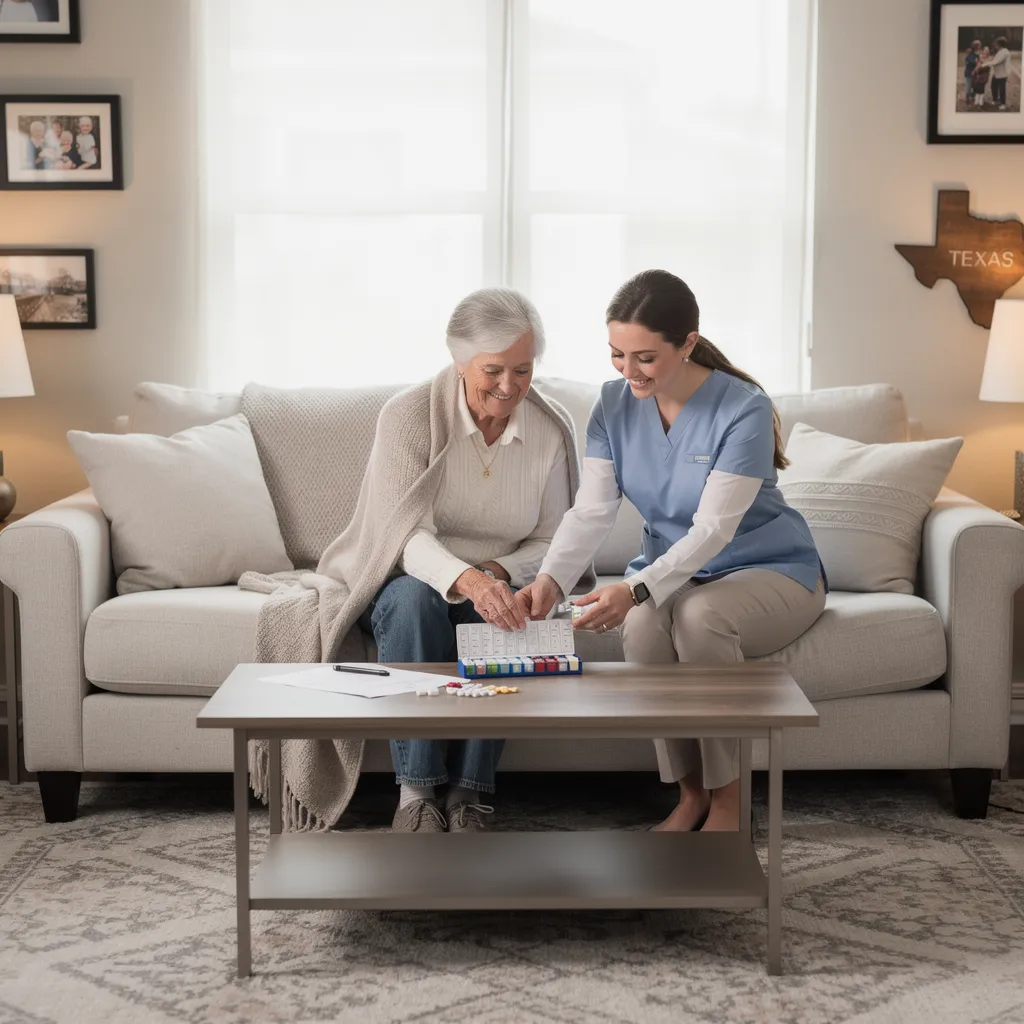

When it comes to How Do I Know if Your Caregivers Are Qualified and Trustworthy for My Loved One?, reputable home care agencies vet caregivers through criminal background checks, employment verification, and reference reviews before hiring. 1 Mission Home Care requires a notable share THHS-certified caregivers, supervised by registered nurses, and builds personalized care plans from a free in-home assessment—giving families in McKinney, Plano, and surrounding Texas areas 1Missionhomecare.Com provides documented proof of due diligence before anyone enters the home.
Why Does Caregiver Vetting Matter So Much?
Vetting matters because a caregiver holds daily, unsupervised access to a vulnerable family member’s home, health, and safety. Families weighing in-home support face genuine unknowns: will a caregiver fit the household, handle a medical emergency calmly, and behave honestly when no relative is present to watch. Those doubts are not paranoia. They reflect the real weight of inviting someone new into a private, intimate space.
The stakes are higher than most families realize. Roughly one in six people age 60 and older experienced some form of abuse in 2023, according to World Health Organization data, and rates have climbed since the pandemic. That trend makes rigorous caregiver screening a safeguard, not a formality.
Why can’t families just rely on gut instinct when choosing a caregiver?
Instinct alone cannot verify a stranger’s history, training, or conduct under pressure. A friendly interview does not reveal past behavior with vulnerable clients. Structured vetting — background checks, credential verification, supervised onboarding — closes that gap.
This is exactly why partnering with an established home care agency solves the problem. Agencies absorb the burden of screening, monitoring, and accountability so families are not investigating strangers alone.
1 Mission Home Care was built around that responsibility. Founded to help seniors remain safely in their own homes, the agency treats trust and family-style oversight as the foundation of every placement, not an afterthought layered on later.
Why vetting matters, in short:
- Reduces risk of abuse or neglect in unsupervised settings
- Confirms a caregiver’s training matches medical and personal needs
- Shifts the burden of investigation from family to agency
- Builds the trust required for a caregiver to become a true household presence

How Do I Know if Your Caregivers Are Qualified and Trustworthy for My Loved One?
Proof of qualification and trustworthiness comes down to three things: credentials, oversight, and screening. 1 Mission Home Care caregivers are qualified and trustworthy for aging loved ones because every caregiver holds a notable share THHS certification before stepping into a client’s home. That certification is not a formality. It’s a baseline requirement, not an option, and it applies to every caregiver on staff, without exception.
Certification alone doesn’t guarantee day-to-day accountability, though. Registered nurses supervise every caregiver’s work, adding a clinical layer of oversight that catches issues a family member might miss. cite-2 This structure means care decisions aren’t left to one person working alone in a client’s home.
What screening happens before a caregiver is hired?
Credentials get verified long before a caregiver ever meets a client. Training certificates, licenses, and work history all get checked against what candidates claim on paper. Background checks follow the same rigor: criminal history, past employment, and references get reviewed thoroughly for every candidate under consideration.
That screening process typically includes:
- Verification of training certificates and professional licenses
- Confirmation of prior caregiving experience
- Criminal background checks
- Employment history review
- Reference checks from previous positions
How does the agency match a caregiver to my loved one’s specific needs?
Matching starts with a free in-home assessment, not a generic staffing list. A trained assessor visits the home to identify the specific needs of the aging or ill family member, from mobility limitations to memory-related challenges covered under Parkinsons Care. That assessment shapes a personalized care plan and determines which caregiver’s skills and temperament fit best.
Families gain something concrete from this process: a caregiver whose qualifications and personality suit the actual situation, not a random assignment. Trustworthiness, in this system, isn’t taken on faith. It’s built through certification, nursing oversight, verified credentials, and a matching process designed around one household’s real needs.

What Background Checks Should Every Agency Run?
Criminal background checks form the baseline. Every reputable home care agency runs these on every caregiver before that person ever enters a client’s home. This is the floor, not the ceiling, of what qualified and trustworthy caregivers should undergo before earning a family’s confidence.
Many agencies go further. Beyond a generic criminal record search, some run specialized screening for a history of elder or child abuse, catching risks a standard check might miss. A caregiver working alone with a vulnerable senior demands more scrutiny than a typical background review offers.
Do agencies check caregivers more than once?
Screening is not always a single event. Some agencies rescreen employees periodically throughout their tenure, not just at hiring. In certain states, rechecks are mandatory on a fixed schedule. New Jersey, for example, requires licensed caregivers to undergo a background check every two years. Requirements vary by state and by agency policy, so consistency matters as much as the initial check.
What should families ask before hiring a caregiver?
Families should ask direct questions rather than assume a screening process is thorough. Useful questions include:
- Which types of background checks does the agency run?
- How often are caregivers rescreened after hiring?
- Does the agency screen specifically for elder or child abuse history?
- What does state law require, and does the agency exceed it?
Getting clear answers before care begins protects a loved one from unnecessary risk. An agency confident in its screening process should answer these questions without hesitation, laying out exactly how often checks happen and what they cover.
What Happens After a Caregiver Is Hired?
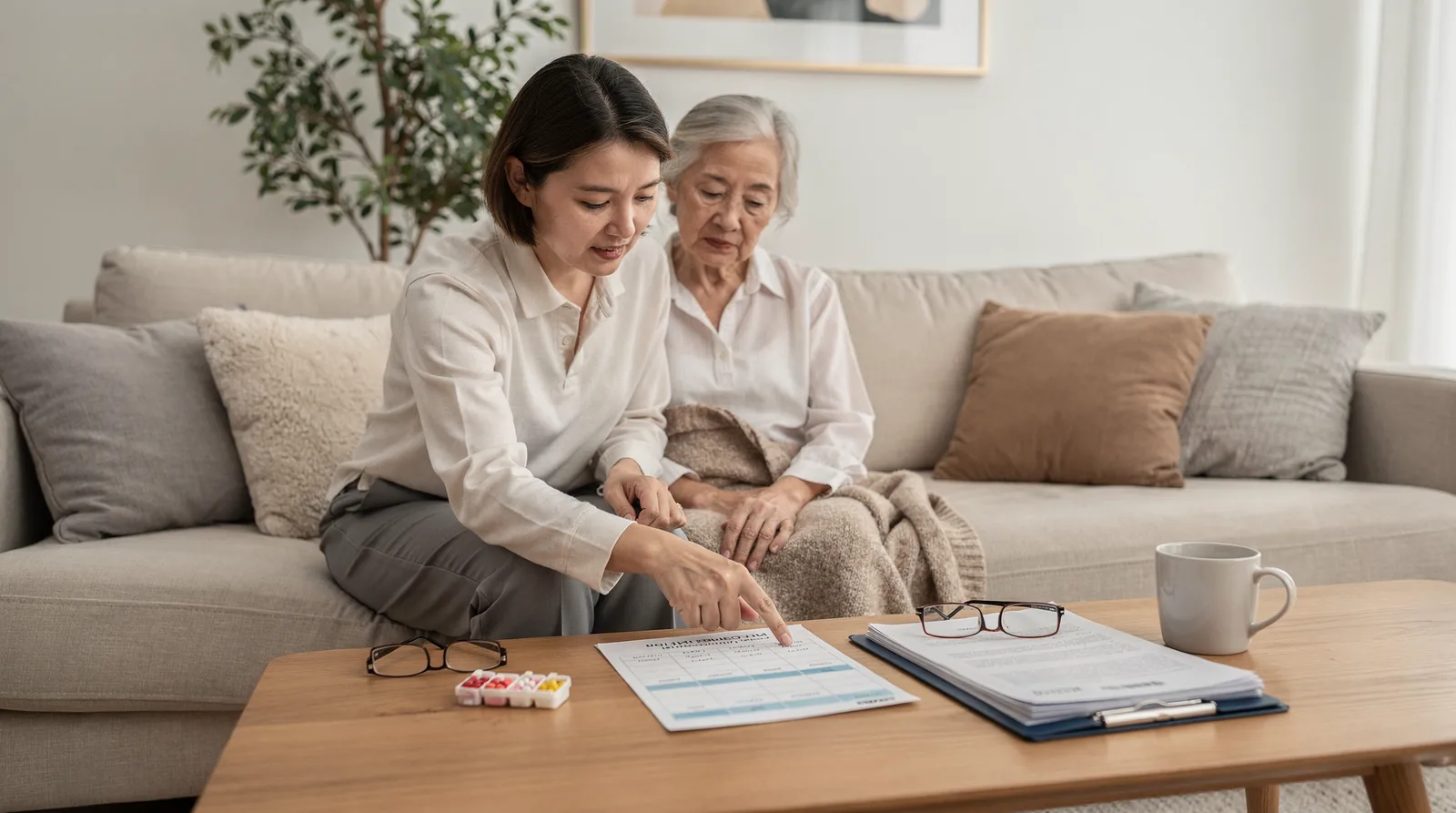
Hiring marks the beginning of oversight, not the end of it. Placement day starts a structured process of training, supervision, and clinical review designed to answer the question every family asks: how do I know if your caregivers are qualified and trustworthy for my loved one? At 1 Mission Home Care, that answer lives in what happens after the badge is issued.
New caregivers move through comprehensive onboarding before ever stepping into a client’s home. Training continues on a periodic basis, covering senior care techniques, safety protocols, and ethical standards. This isn’t a single orientation session that fades from memory. It’s a recurring commitment built into the caregiver’s ongoing employment.
Does someone check on caregivers once they’re placed with a family?
Yes. Supervisors conduct regular check-ins with caregivers throughout their assignments, rather than stepping back once placement is complete. This ongoing oversight catches problems early and keeps care quality consistent over time.
Who oversees caregivers from a clinical standpoint?
Registered nurses lead caregiver supervision at 1 Mission Home Care, and that leadership doesn’t stop after intake. Clinical review continues across the full length of the caregiving relationship, giving families a medically trained point of accountability.
Together, these layers form a system rather than a one-time checkpoint:
- Structured onboarding before any home visits begin
- Periodic continuing education in senior care, safety, and ethics
- Routine supervisor check-ins throughout the assignment
- Registered nurse oversight maintained from day one through ongoing care
For families weighing an agency against an independent hire, this continuity often makes the difference. A caregiver’s qualifications don’t freeze at the hiring date — they’re reinforced, monitored, and held accountable every week that follows.
What Questions Should Families Ask Before Hiring?
Four questions separate a safe placement from a risky one: who oversees the caregiver, what specific care is needed, how the agency verifies fit, and whether services can adapt as needs change. Families who skip these questions often discover gaps only after a crisis, when a parent’s condition worsens or a caregiver fails to show up. Asking upfront costs nothing; asking too late costs safety and peace of mind.
Who is responsible for supervising the caregiver day to day?
Families choosing an independent hire outside an agency take on the full weight of vetting, scheduling, and management themselves. No outside layer checks the caregiver’s work or steps in when problems arise. That arrangement can suit some households. It demands far more time and vigilance than working with an agency that supervises staff directly.
What type of care does my loved one actually need?
Before contacting any caregiver, families should pin down whether the situation calls for medical support, personal care such as bathing and dressing, or lighter companion-level help. This clarity shapes every other question that follows, including staffing and cost.
1 Mission Home Care addresses this by starting with a free in-home assessment, giving families a clear, no-cost picture of needs before any commitment is made. cite-2 Because the agency offers a full continuum of care, ranging from companionship to specialized Dementia Alzheimers Care support, families can ask directly how a care plan would adjust if a loved one’s condition changes over time.
Frequently Asked Questions
How can I verify a home caregiver’s background before they enter my loved one’s home?
Ask the agency directly what checks it runs. Reputable agencies like 1 Mission Home Care verify criminal history, employment records, and references before a caregiver is ever placed, and can walk you through exactly how that screening works and how often it’s repeated.
What certifications should a qualified caregiver have?
At minimum, a caregiver should hold recognized training credentials relevant to home care. 1 Mission Home Care requires all caregivers to be THHS-certified and supervised by registered nurses, so families have both a credential and ongoing clinical oversight to rely on.
How often are caregivers rescreened after they’re hired?
This varies by agency and by state — some states mandate rechecks on a set schedule, such as every two years. Families should ask upfront whether rescreening happens periodically or only once at hiring, since consistency matters as much as the initial check.
Does a background check cover abuse history specifically, or just general criminal records?
A standard criminal background check may not catch every risk. Some agencies run additional, specialized screening for a history of elder or child abuse, which is worth asking about directly since it goes beyond what a generic check reveals.
How does 1 Mission Home Care match a caregiver to my loved one’s needs?
The process starts with a free in-home assessment, where a trained assessor evaluates mobility, medical, and personal needs. That assessment shapes a personalized care plan and guides which caregiver’s skills and temperament are the best fit for the household.
Conclusion
Knowing whether a caregiver is qualified and trustworthy comes down to proof, not promises. Credential verification, background checks, registered nurse oversight, and a personalized matching process built around a free in-home assessment all give families something concrete to rely on before a caregiver ever enters the home. That structure doesn’t end at hiring, either — ongoing supervision, ongoing training, and clinical review keep accountability in place for as long as care continues.
For families in McKinney, Plano, and the surrounding Texas communities, 1 Mission Home Care built its screening and oversight process around exactly this concern: that a loved one’s safety and dignity shouldn’t depend on guesswork. Asking the right questions upfront, and choosing an agency that answers them without hesitation, is what turns a stranger into a trusted presence in the home.




 Copyright © All rights reserved