

Warning signs include difficulty with daily activities like dressing or cooking, missed medications, unexplained falls, poor hygiene, and confusion during routine tasks. These changes often signal that professional support is overdue, prompting the question, “What Are the Signs That My Elderly Parent Needs in-Home Care Assistance Now?” 1 Mission Home Care provides a free in-home assessment with 100% THHS certified caregivers, supervised by registered nurses, to address safety needs quickly and restore stability at home. cite-1
When Does ‘Helping Out’ Become Urgent Care?
A tipping point exists, and most families cross it without noticing. Small favors, like picking up groceries or handling a bill, quietly multiply into a full-time management role. What starts as occasional support can leave both the aging parent and the family caregiver running on empty. Recognizing that shift early prevents burnout on both sides.
How Do You Know the Help Has Become Too Much?
Exhaustion is the clearest signal. When a family caregiver feels stretched between work, their own household, and near-daily check-ins on a parent, the arrangement has outgrown casual assistance. The senior may also start relying on one person for everything, from meals to medication reminders to transportation, which signals that structured support is overdue.
Common markers that “helping out” has become urgent include:
- Missed appointments or medication doses despite frequent reminders
- A family caregiver rearranging work or travel plans around a parent’s needs weekly
- Growing tension or guilt on either side of the caregiving relationship
- A parent hesitant to ask for help, masking how much support they actually need
1 Mission Home Care was founded on a simple premise: every senior deserves the chance to stay home as long as possible. cite-1 That mission started with the belief that seniors deserve compassionate, family-style care, not a transactional service relationship. cite-1 Families don’t have to reach a breaking point before asking for support.
The transition doesn’t require guesswork. A free in-home assessment identifies exactly what a parent needs before any care plan takes shape, whether that means a few hours of weekly companionship or more consistent daily support. cite-1 This evaluation gives families clarity, replacing uncertainty with a concrete plan built around the parent’s actual routine and safety concerns. Waiting for a crisis isn’t necessary when a clear picture of needs can be mapped out in advance.

Are Daily Tasks Becoming a Struggle?
Struggling with dressing, cooking, or bathing signals that an aging parent may need more support than family visits alone can provide. Adult children often notice the warning signs long before a parent admits anything is wrong. A missed button, a burnt pot left on the stove, or skipped showers can point to bigger issues brewing beneath the surface.
Many seniors go to great lengths to mask these struggles. Pride, frustration, or embarrassment often drive an older adult to cover up daily challenges, particularly when the fear of losing their home or independence looms large. A parent who insists everything is “fine” may quietly be skipping meals or wearing the same clothes for days.
Why Do Seniors Hide Their Struggles?
Admitting difficulty with basic self-care can feel like admitting defeat. Many older adults associate needing help with losing control over their own lives. They minimize problems rather than raise them. This makes it critical for family caregivers to watch behavior, not just listen to reassurances.
Signs that daily task assistance may be needed include:
- Wearing soiled or mismatched clothing repeatedly
- Skipping meals or relying on expired food
- Avoiding baths or showers for extended periods
- Withdrawing from household chores once handled with ease
A home health aide offers a practical solution, supporting a parent’s daily routine without uprooting them from familiar surroundings. This kind of hands-on help preserves dignity while closing the gap between what a parent can manage alone and what they actually need. 1 Mission Home Care builds each care plan around the individual, not a one-size-fits-all checklist, matching support to the specific tasks a parent finds most difficult.
Is the Home Environment Turning Unsafe?
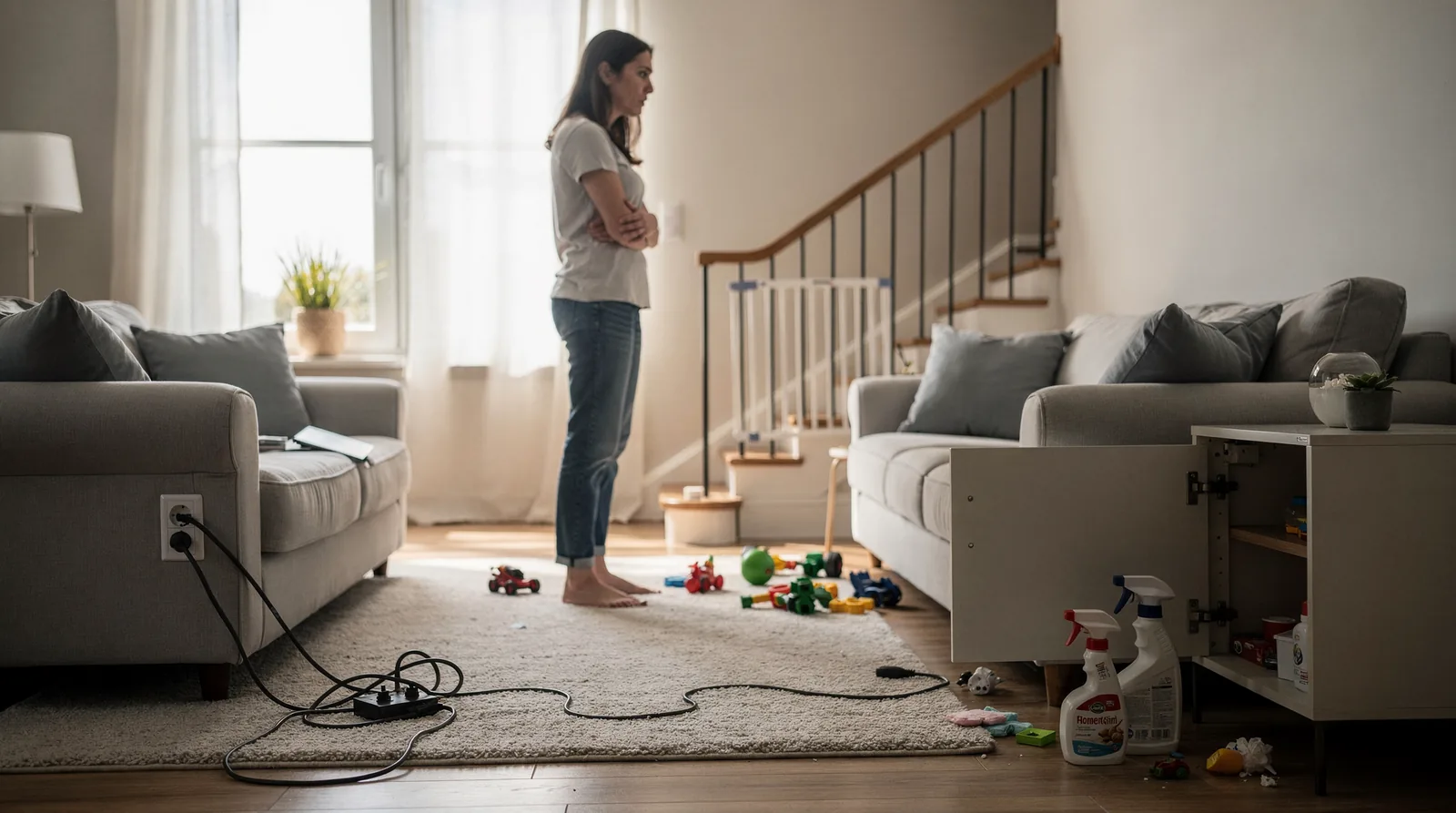
A cluttered kitchen, spoiled groceries, and mounting laundry often reveal more than a busy week. These details frequently mark the earliest signs that an elderly parent needs in-home care assistance now, particularly when forgetfulness starts to affect daily upkeep. Spoiled food left in the fridge and laundry piling up without explanation can point to early-stage dementia rather than simple neglect.
Weight loss deserves equal attention. Sudden or gradual thinning can be one of the most visible signs that self-care has slipped, especially when meal preparation becomes too difficult or forgotten altogether. Family caregivers who notice loose-fitting clothes or a parent skipping meals should treat the change as a signal, not a coincidence.
Does a Messy House Always Mean Neglect?
Not necessarily. A disorganized or unsafe-looking home often traces back to mobility limitations rather than carelessness. Struggling to bend, reach, or climb stairs makes basic tidying and organizing far harder than it used to be, even for a parent who once kept an immaculate house.
Recognizing the difference matters because the response should match the cause:
- Cognitive decline — spoiled food, missed bills, repeated forgetfulness
- Physical limitation — clutter from limited reach or stamina, unsteady walking paths
- Combined decline — both patterns appearing together, often the clearest signal that daily support is overdue
1 Mission Home Care addresses both situations through a full continuum of care, spanning companion support to specialized Alzheimer’s care. That range allows unsafe conditions tied to memory loss or physical decline to be managed directly at home, without forcing a parent out of familiar surroundings. Waiting for a crisis rarely improves outcomes; earlier evaluation preserves both safety and independence.
Could Medication Mix-Ups Signal Trouble?
Yes. Mismanaged medications can cause life-threatening consequences, particularly for aging parents taking blood pressure or blood-thinning drugs. A missed dose or doubled dose isn’t a minor slip when the medication controls heart rhythm or clotting risk. Families who notice pill bottles out of order, confusing schedules, or unexplained side effects should treat the pattern as a warning sign, not a coincidence.
Risk climbs with volume. The more prescriptions an elderly parent juggles, the greater the chance that one gets skipped, doubled, or taken at the wrong time. A parent managing five or six medications daily faces far more room for error than one managing a single prescription.
How does professional in-home care reduce medication errors?
Trained oversight closes the gap that memory lapses create. Every caregiver at 1 Mission Home Care holds 100% THHS certification, bringing structured training to daily routines, including medication reminders. cite-1 This certification standard means families aren’t relying on guesswork or good intentions from an untrained helper.
Clinical supervision adds another layer of protection. All caregivers work under the guidance of registered nurses, giving families a direct line to medical oversight rather than a caregiver acting alone. That structure matters when a parent’s medication list changes after a doctor’s visit or hospital stay.
What should families watch for at home?
A few practical checks reveal trouble early:
- Pill organizers left partially filled or untouched for the week
- Prescription bottles with mismatched refill dates
- Confusion about which medication treats which condition
- Physical symptoms like dizziness, bruising, or blood pressure swings
Any of these signs warrants a closer look, and often a conversation about bringing in structured, nurse-supervised support before a mistake turns into an emergency.
What Should You Do Right Now?
A free in-home assessment offers the clearest next step for families weighing whether elderly parent needs in-home care assistance right now. cite-1 Waiting for a crisis rarely produces a good outcome; scheduling an evaluation while the situation is still manageable does. 1 Mission Home Care conducts this assessment at no cost, identifying specific needs before small struggles turn into emergencies.
How quickly can a family get help once they decide?
Families do not have to wait weeks for answers. 1 Mission Home Care is locally owned and operated, which means a caregiver response can happen close to home rather than through a distant call center. The agency positions itself to act quickly once a family recognizes warning signs and reaches out.
What happens after the initial assessment?
Findings from the in-home visit shape a personalized care plan built around one-on-one support, not a generic package applied to every client. Common next steps include:
- Reviewing daily challenges observed during the assessment
- Matching a caregiver to the parent’s specific routine and personality
- Adjusting the plan as needs change over time
Questions rarely arrive on a convenient schedule. A parent’s confusion at 2 a.m. or a fall on a Sunday afternoon demands answers immediately, not Monday morning. Because support is available around the clock, families facing an urgent decision can get guidance the moment concern turns into action, rather than sitting with uncertainty overnight. cite-1
Frequently Asked Questions
What are the first signs that an elderly parent needs in-home care?
Early warning signs include missed medications, unexplained weight loss, poor hygiene, skipped meals, a cluttered or unsafe-looking home, and confusion during routine tasks. Any of these changes suggest it’s time for a closer look, and often a conversation about bringing in structured support.
How can I tell if my parent is just having a rough week or truly needs help?
A single missed appointment or messy day isn’t necessarily cause for alarm, but repeated patterns are: missed medication doses despite reminders, a family caregiver reshuffling work around a parent’s needs every week, or a parent hiding how much support they actually need. When these patterns repeat, the arrangement has outgrown casual help.
Is a messy or disorganized home always a sign of neglect?
Not always. Clutter can stem from mobility limitations, like difficulty bending, reaching, or climbing stairs, rather than carelessness. It’s worth distinguishing between cognitive decline (spoiled food, missed bills, forgetfulness) and physical limitation (clutter from limited stamina) since the right kind of support differs for each.
How does 1 Mission Home Care determine what kind of support my parent needs?
1 Mission Home Care starts with a free in-home assessment to identify specific needs, whether that’s a few hours of weekly companionship or more consistent daily support. Findings from that visit shape a personalized care plan matched to the parent’s routine and personality, rather than a one-size-fits-all package.
What if my parent needs medication management or has memory-related challenges?
All caregivers are 100% THHS certified and supervised by registered nurses, providing structured medication reminders and clinical oversight. 1 Mission Home Care also offers a full continuum of care, including specialized Alzheimer’s and dementia support, so both physical and cognitive needs can be managed directly at home.
Conclusion
Recognizing that an elderly parent needs more support rarely happens in one dramatic moment. It shows up gradually, in a missed pill, a skipped meal, a cluttered kitchen, a parent insisting everything is “fine” while quietly struggling. Families who catch these signs early, whether they involve daily task assistance, an unsafe home environment, or medication mix-ups, can act before a manageable situation turns into an emergency.
A free in-home assessment from 1 Mission Home Care takes the guesswork out of that decision. With 100% THHS certified caregivers supervised by registered nurses, and a full continuum of care from companionship to specialized Alzheimer’s and Parkinson’s support, families get a clear, personalized plan built around their parent’s actual needs, not a generic checklist. Waiting for a crisis isn’t necessary when the signs are already visible; reaching out while the situation is still manageable is what protects both safety and independence.





 Copyright © All rights reserved