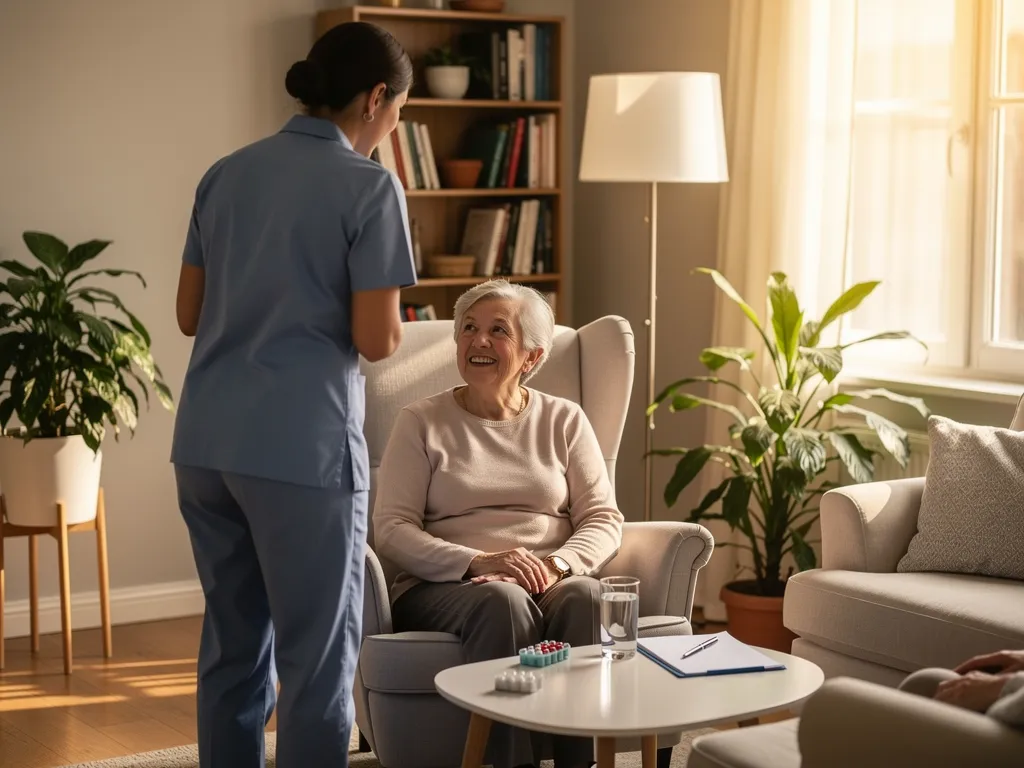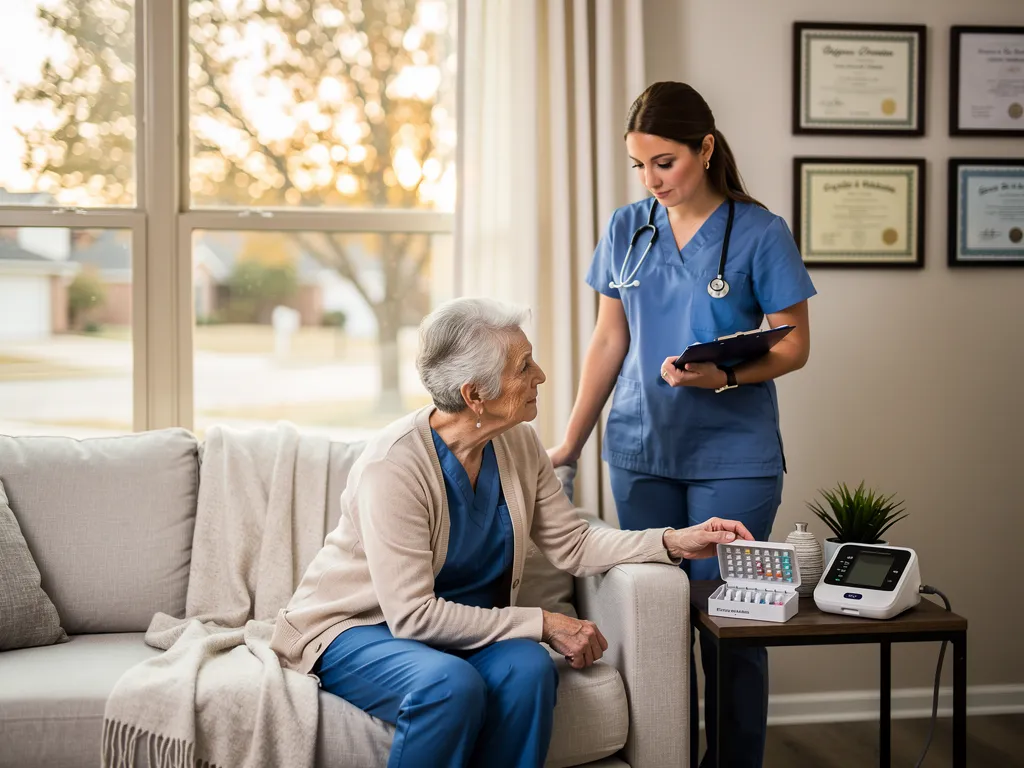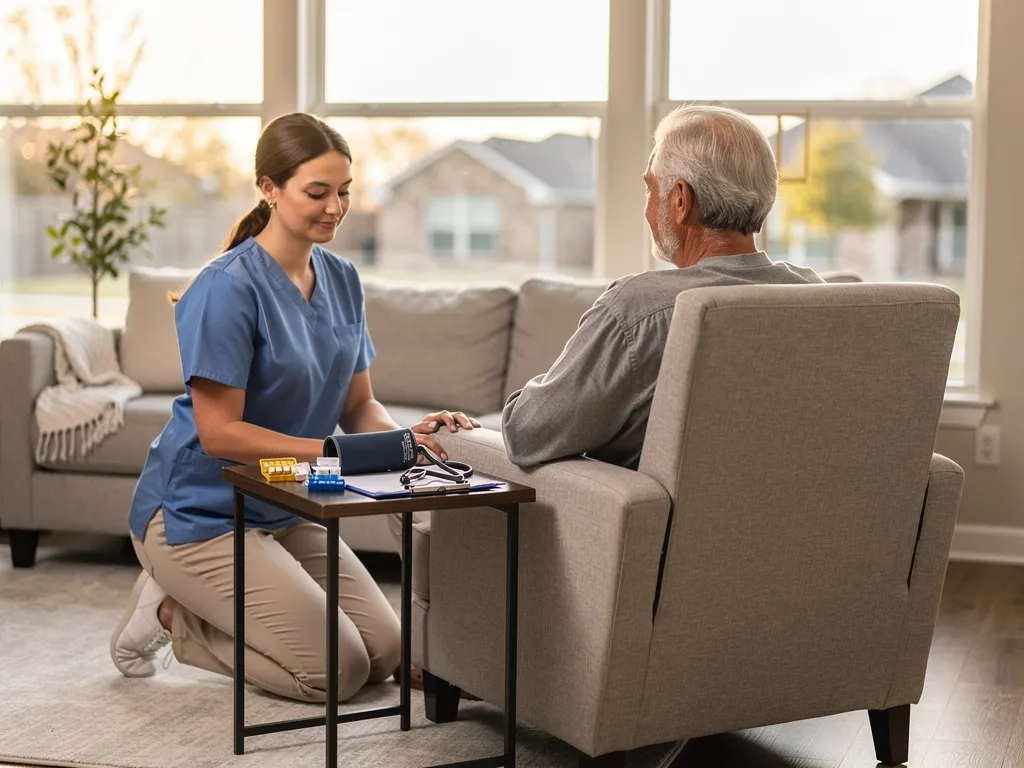

Companion care provides non-medical help with daily living, while Alzheimer’s care offers specialized support for cognitive decline. 1 Mission Home Care delivers both services through 100% THHS certified caregivers led by registered nurses. The agency tailors care plans to individual needs, ensuring safety and dignity at home.
What Is Companion Care?
Companion care is a non-medical home care service focused on emotional well-being, social engagement, and light daily living support. This type of care addresses the isolation and practical challenges that often accompany aging, without the clinical intensity of skilled nursing.
The primary goal is keeping seniors connected and active. A companion caregiver provides supervision, conversation, and assistance with recreational activities. The Alzheimer’s Association identifies these services as distinct from medical care, emphasizing visiting and social interaction rather than health interventions.
What tasks does a companion caregiver typically handle?
Daily support from a companion caregiver centers on maintaining a safe and engaging home environment. Common responsibilities include:
- Engaging in conversation and shared hobbies
- Preparing meals and assisting with grocery shopping
- Providing medication reminders
- Accompanying clients on errands or appointments
- Performing light housekeeping
These homemaker services help older adults sustain their routines. A Place for Mom notes that companion care suits seniors who remain relatively independent but benefit from regular social contact and light supervision.
Who benefits most from companion care services?
Seniors who feel isolated or need minor assistance with daily tasks gain the most from companion care. The service works well for individuals who do not require hands-on physical support or cognitive therapy. 1 Mission Home Care includes companion care as the foundational tier of a full continuum of services, allowing families to start with basic support and adjust as needs change.
How does companion care differ from personal care?
Companion care focuses on social and emotional support. Personal care adds physical assistance with bathing, dressing, and mobility. A senior who needs help with housekeeping and meals but manages self-care independently fits the companion care profile. When physical needs increase, the care plan escalates to include personal care services under the same provider.
What Is Specialized Alzheimer’s Care?
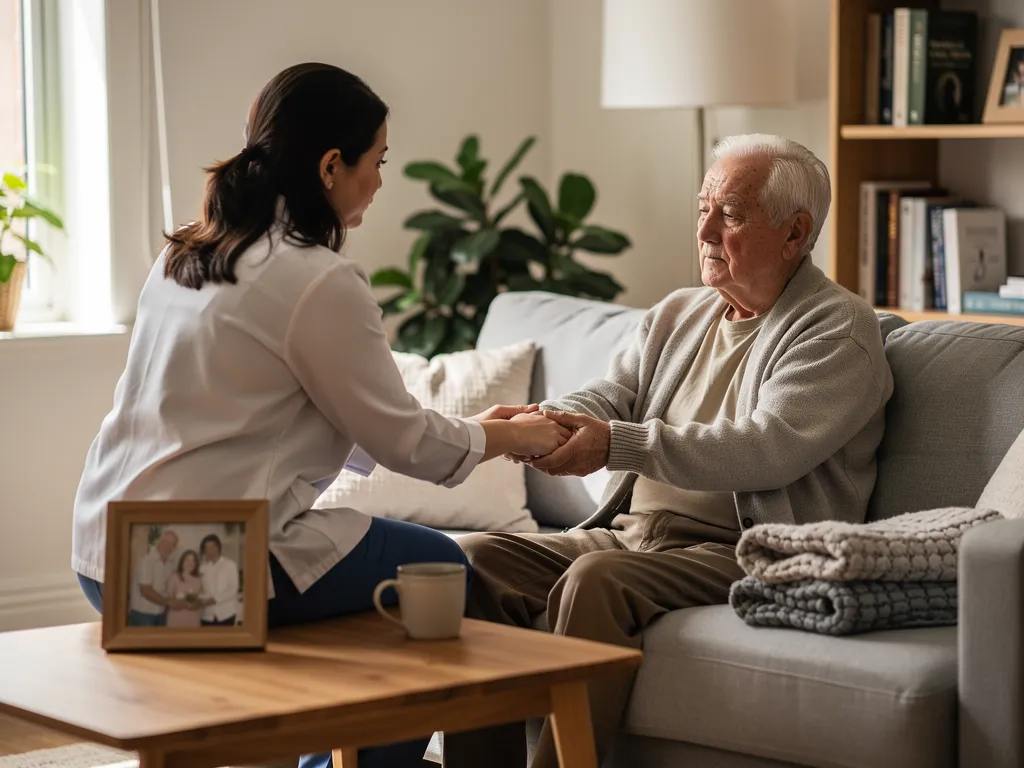
Specialized Alzheimer’s care is a distinct form of dementia support built around the progressive nature of cognitive decline. It addresses memory loss, communication barriers, and the behavioral changes that standard companion care does not manage. A Place for Mom’s 2025 analysis notes that memory care provides a higher level of specialized assistance, including 24-hour supervision and staff trained specifically for dementia-related challenges.
This approach differs fundamentally from general senior support. Care.com reports that memory care environments tailor everything from physical layouts to daily programming for individuals living with Alzheimer’s disease or other dementias. Safety becomes paramount. Caregivers actively manage wandering, sundowning, and the unpredictable behavioral shifts that create risk in unsupervised settings.
How Does Specialized Care Address Safety Risks at Home?
Safety protocols in specialized Alzheimer’s care target the specific dangers of cognitive impairment. Wandering, a common and dangerous behavior, requires constant vigilance. Sundowning, the late-day confusion and agitation affecting many with dementia, demands structured evening routines. The Alzheimer’s Association emphasizes that in-home care allows a person with dementia to remain in familiar surroundings, which reduces disorientation and anxiety.
1 Mission Home Care delivers this specialized support through 100% THHS certified caregivers operating under registered nurse supervision. The company’s Dementia & Alzheimer’s Care services include customized plans that integrate personal care, companionship, and homemaking. Each plan adapts as the condition progresses.
What Techniques Preserve Dignity Through Cognitive Decline?
Evidence-based memory techniques anchor the daily care routine. These methods reinforce familiar patterns and reduce the frustration that accompanies memory loss. Caregivers use structured prompts, visual cues, and consistent schedules to support independence. The goal remains preserving dignity and routine within the home environment. 1 Mission Home Care’s approach keeps seniors in their own homes for as long as possible, surrounding them with the familiar objects and rhythms that ground their identity.
What Key Differences Exist Between Companion Care and Specialized Alzheimer’s Care Services?
Companion care and specialized Alzheimer’s care serve fundamentally different needs. Companion care focuses on social engagement and supervision. Specialized Alzheimer’s care addresses the progressive cognitive and physical decline that makes daily life unsafe without structured, clinical support.
The distinction matters most when safety becomes a daily concern. A family choosing companion-level support for someone who needs Alzheimer’s care risks preventable falls, wandering incidents, and medication errors. The gap between these two service levels widens as the disease advances.
How does the scope of daily support differ between the two?
Companion care provides supervision, recreational activities, and friendly visiting. The caregiver offers social connection and watches for obvious problems. Specialized Alzheimer’s care adds hands-on personal assistance. Caregivers help with bathing, dressing, toileting, and eating, according to the Alzheimer’s Association’s description of in-home services. They also manage the behavioral symptoms that companion care does not address: agitation, confusion, and sundowning.
What training separates an Alzheimer’s caregiver from a companion?
Alzheimer’s care demands specialized training that companion care does not require. A Place for Mom notes that memory care provides a higher level of specialized assistance, including specialized staff training and high staff-to-resident ratios. Caregivers learn to redirect anxiety, communicate nonverbally, and de-escalate distress. Companion caregivers lack this clinical preparation. The difference shows most clearly when a senior resists bathing or becomes verbally aggressive. An untrained companion has no framework for that moment.
How does safety monitoring change between service levels?
Companion care includes basic oversight. The caregiver notices if something looks wrong. Alzheimer’s care builds safety into every interaction. Wandering prevention, fall-risk reduction, and 24-hour supervision become essential. A Place for Mom describes memory care environments with secured exits and continuous monitoring. In a home setting, specialized caregivers apply the same vigilance. They recognize precursors to unsafe behavior and intervene before a crisis unfolds.
1 Mission Home Care distinguishes between these service levels through a free in-home assessment. The assessment identifies each senior’s specific needs and builds a care plan matched to the right level of support. Families receive clarity on whether companion care suffices or whether Alzheimer’s care is necessary to protect their loved one’s safety and dignity.
How to Determine Which Care Level Your Family Needs?
Determining the right care level starts with a clear-eyed assessment of daily function versus cognitive safety. Families must weigh what a senior can still do independently against the risks that memory loss introduces. A Place for Mom advises consulting a physician or senior care expert to guide this decision. The core question is not just about help with tasks. It is about preventing harm.
What signs indicate companion care is the right fit?
Companion care suits seniors who remain relatively independent but face isolation or struggle with light household routines. These individuals manage personal hygiene and navigate familiar spaces without confusion. The primary gap is social engagement and occasional support. Care.com notes that assisted living, and by extension companion-level support, works best for older adults needing help with bathing, medication reminders, or meals while still functioning autonomously. A senior who brightens during conversation but forgets to eat lunch fits this profile.
When does cognitive decline demand specialized memory care?
Specialized Alzheimer’s care becomes essential when cognitive decline creates safety hazards that constant supervision must prevent. Wandering out of the home, leaving appliances on, or experiencing severe sundowning signals a shift in need. Care.com describes memory care as a setting designed specifically for individuals with dementia, where the physical layout and daily programming address these exact risks. A senior who no longer recognizes danger cannot be left alone. The care environment must actively protect them.
Can a care plan evolve as dementia progresses?
A care plan does not remain static. 1 Mission Home Care structures support so that services adapt as needs intensify. A family might begin with companion care for socialization and light oversight. As judgment fades and safety concerns mount, specialized cognitive support layers onto the existing plan. This hybrid approach prevents abrupt, traumatic moves. It preserves familiarity while closing safety gaps. The transition feels less like a crisis and more like a natural adjustment.
How Does 1 Mission Home Care Support Families?
1 Mission Home Care supports families through personalized in-home assessments and a full continuum of supervised care. The agency builds every care plan on a foundation of clinical oversight and family-centered values.
A free in-home assessment identifies the specific needs of each senior. This evaluation allows the agency to develop a care plan tailored precisely to the individual, not a generic template. Families receive clarity about what their loved one requires and how those needs will be met.
What makes the agency’s caregiver qualifications different?
Every caregiver holds 100% THHS certification. Registered nurses supervise all care delivery, ensuring clinical standards guide daily support. This structure means families never wonder whether a caregiver has the training to handle changing conditions.
How does the agency approach dementia and cognitive decline?
The agency provides a full continuum that spans companion care through specialized Alzheimer’s care services. Companion care focuses on supervision, social engagement, and help with daily routines. Specialized Alzheimer’s care adds structured cognitive support, safety protocols, and techniques designed for memory loss. Families facing early-stage confusion or advanced dementia receive services calibrated to the current reality, not a one-size plan.
Continuous caregiver training keeps skills sharp as dementia progresses. The agency also builds collaborative community relationships, connecting families to resources beyond direct care. This network approach reduces isolation for both the senior and the family caregiver.
1 Mission Home Care serves McKinney, Texas and surrounding areas with a locally owned, family-oriented philosophy. The agency’s purpose remains unchanged: creating an environment where every senior stays home as long as safely possible. Compassionate care, clinical supervision, and community connection form the three pillars of that commitment.
Frequently Asked Questions
What is the main difference between companion care and Alzheimer’s care?
Companion care offers non-medical support like conversation, light housekeeping, and supervision for seniors who remain largely independent. Specialized Alzheimer’s care adds trained staff, safety protocols for wandering and sundowning, and hands-on assistance with bathing, dressing, and eating for seniors facing cognitive decline.
How do I know if my loved one needs companion care or specialized memory care?
If your loved one is socially isolated but manages daily tasks safely, companion care is likely enough. If they wander, forget to turn off appliances, or show severe confusion and agitation, specialized Alzheimer’s care is needed to protect their safety. A free in-home assessment from 1 Mission Home Care can clarify which level fits your family’s situation.
Can care start at the companion level and move to Alzheimer’s care later?
Yes. 1 Mission Home Care builds care plans that adapt as needs change, so a family can begin with companion care for socialization and light support, then add specialized cognitive care and safety protocols as the condition progresses, without switching providers.
Are 1 Mission Home Care’s caregivers trained specifically for dementia care?
Yes. All caregivers are 100% THHS certified and work under registered nurse supervision. For Alzheimer’s care, caregivers receive additional training in redirecting anxiety, nonverbal communication, and de-escalating distress tied to cognitive decline.
What areas does 1 Mission Home Care serve?
1 Mission Home Care serves McKinney, Texas and the surrounding areas with a locally owned, family-oriented approach to both companion care and specialized Alzheimer’s care.
Conclusion
The decision between companion care and Alzheimer’s care rests on a single question: does the senior face safety risks from cognitive decline? Companion care fills gaps in socialization and light daily support. Alzheimer’s care adds specialized training, safety protocols, and supervision that protect a loved one who no longer recognizes danger. A free in-home assessment provides the clarity families need to choose the right level of support.





 Copyright © All rights reserved