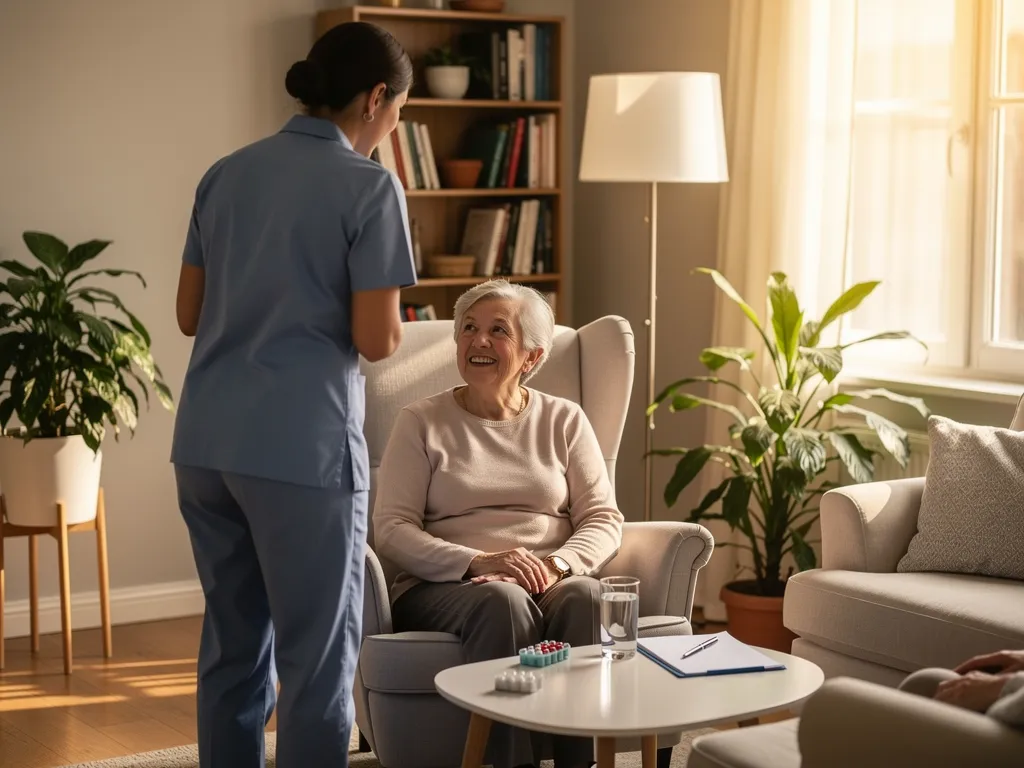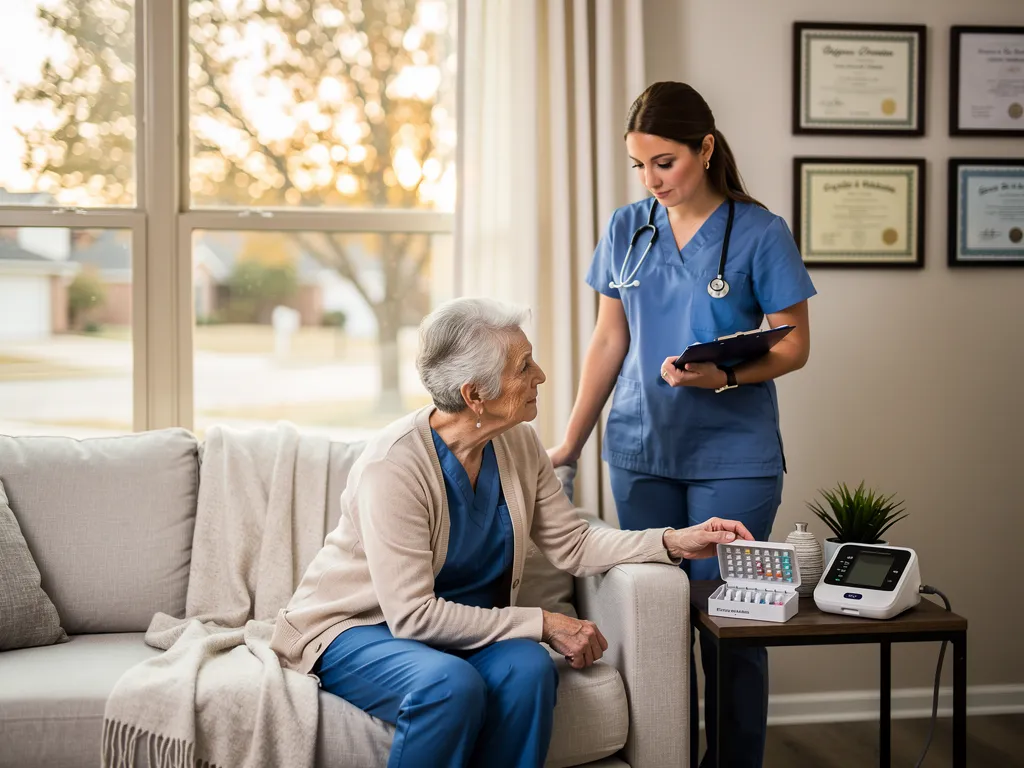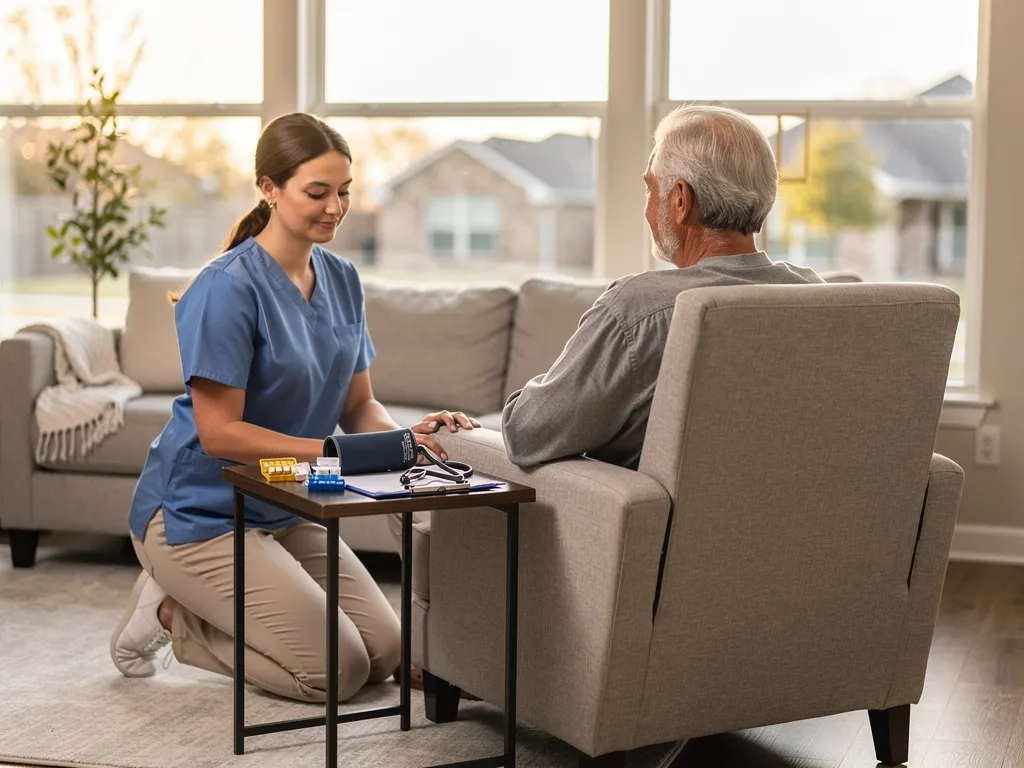
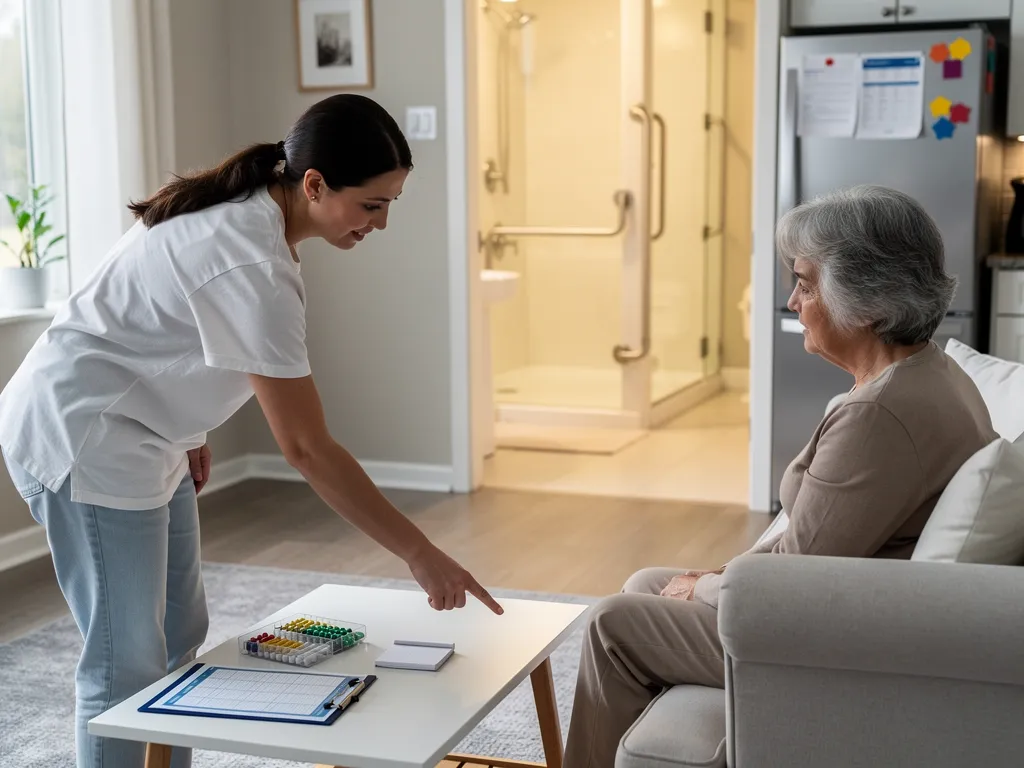
Effective home safety strategies for seniors aging at home include removing trip hazards, installing grab bars, keeping emergency numbers visible, and scheduling regular caregiver check-ins. 1 Mission Home Care supports families with a free in-home assessment to identify risks. Recommend safety strategies for lasting independence.
Why Does Home Safety Matter for Aging Parents?
Home safety determines whether an aging parent can remain independent or faces a preventable crisis. Most older adults want to age in place, staying in familiar surroundings rather than moving to a facility. That desire often comes tangled with worry, about getting around safely, managing daily tasks, and avoiding accidents that could end independence overnight.
Those worries are grounded in real risk. Falls, burns, and poisonings rank among the most common accidents affecting older adults who live on their own. A loose rug or a dim hallway light seems minor until it causes a fracture that changes everything.
What Other Risks Threaten Seniors Living Alone?
Physical hazards aren’t the only concern inside the home. Older adults living independently can also become targets for criminals who specifically look for isolation and vulnerability. Home security deserves the same attention families give to fall prevention.
Families weighing these risks often ask the same questions:
- Is the bathroom equipped to prevent slips?
- Are exits and entry points secure against intruders?
- Can a parent reach help quickly if something goes wrong?
- Does daily mobility around the home feel safe and manageable?
1 Mission Home Care was founded on a simple belief: seniors deserve to stay in their own homes for as long as possible. That mission drives every care plan, because safety and independence aren’t competing goals. They’re partners. A home that addresses fall risks, secures against intrusion, and supports daily mobility gives an aging parent the freedom to stay where memories live, without leaving safety to chance.
How Can You Prevent Falls at Home?
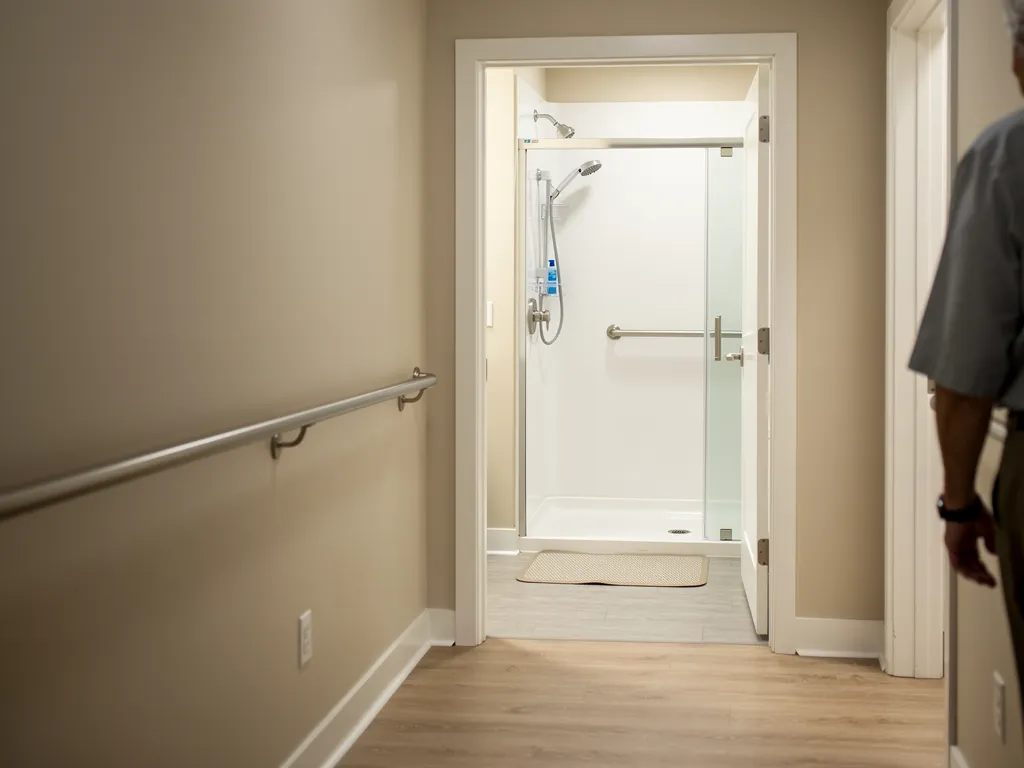
Fall prevention starts with three concrete steps: clearing trip hazards, installing grab bars, and placing nonslip mats in bathrooms. Families supporting aging parents at home carry real stakes here. A single fall can mean a hospital stay, a loss of mobility, or the end of independent living altogether.
Most fall risks hide in plain sight. Area rugs bunch up underfoot. Electrical cords snake across walkways. Low tables and ottomans sit at shin height, right where a distracted step lands. None of these look dangerous until someone trips over one.
What household changes reduce fall risk the most?
Flooring and lighting changes make the biggest difference. Non-slip flooring gives unsteady feet better traction, while covering or removing loose cords eliminates one of the most common tripping hazards in a senior’s home. Grab bars near the toilet and shower add support exactly where falls tend to happen.
A short walkthrough of the home reveals most of these risks in under an hour:
- Clear hallways and walkways of rugs, cords, and clutter
- Install grab bars in bathrooms near the toilet and shower
- Place nonslip mats inside and outside the tub or shower
- Reposition or remove low tables and ottomans from high-traffic paths
- Secure or cover exposed electrical cords along the floor
Why does a written safety checklist matter?
A checklist turns good intentions into a repeatable habit. Families juggling work, kids, and caregiving duties forget details when relying on memory alone. Writing the list down, then walking through it room by room, helps confirm that a senior loved one’s home stays safe and secure over time, not just on the day of the first inspection.
1 Mission Home Care’s caregivers watch for these hazards during every visit, reinforcing the family’s efforts rather than replacing them.
What Emergency Steps Protect Seniors at Home?
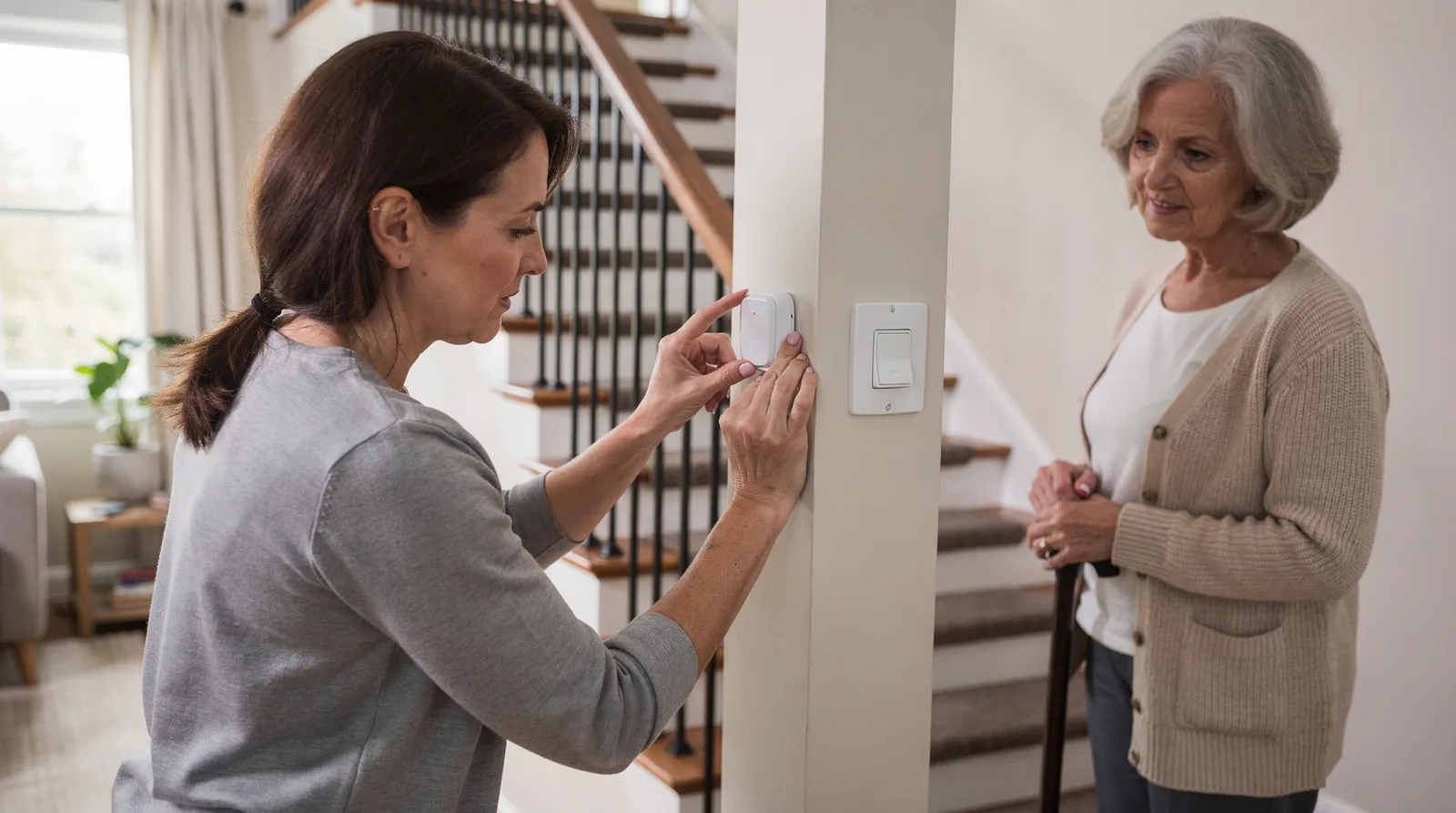
Quick access to emergency numbers protects seniors during a crisis, when seconds matter most. A written list posted by every phone turns panic into action. Families caring for aging parents at home can build this habit into daily routines without much effort.
Print size matters more than most families realize. Numbers should appear in large, bold print. A frightened or hurried senior can read them instantly, without fumbling for glasses or scrolling a phone screen. Small, cluttered handwriting defeats the purpose entirely.
A complete emergency list needs more than just 911. How can families ensure the safety and well-being of their loved ones at home during a medical scare or accidental poisoning? The answer starts with a well-rounded contact list:
- 911 for immediate emergencies
- Poison Control, for accidental ingestion or exposure
- A trusted family member or neighbor who can respond quickly
- The senior’s primary healthcare provider’s office
What should a family do if home hazards go unnoticed?
Many risks hide in plain sight, loose rugs, dim lighting, or a bathroom without grab bars. A professional home safety inspection catches hazards families often miss on their own. This step works well alongside DIY efforts, not as a replacement for them.
Why does posting numbers near every phone matter?
A senior who falls or feels ill rarely has time to search for a phone book or scroll through contacts. Numbers posted at every phone, not just the main one, shorten the gap between emergency and help. This small habit makes a real difference during those first critical minutes, before professional caregivers or family can arrive.
How Can You Improve Home Security and Access?
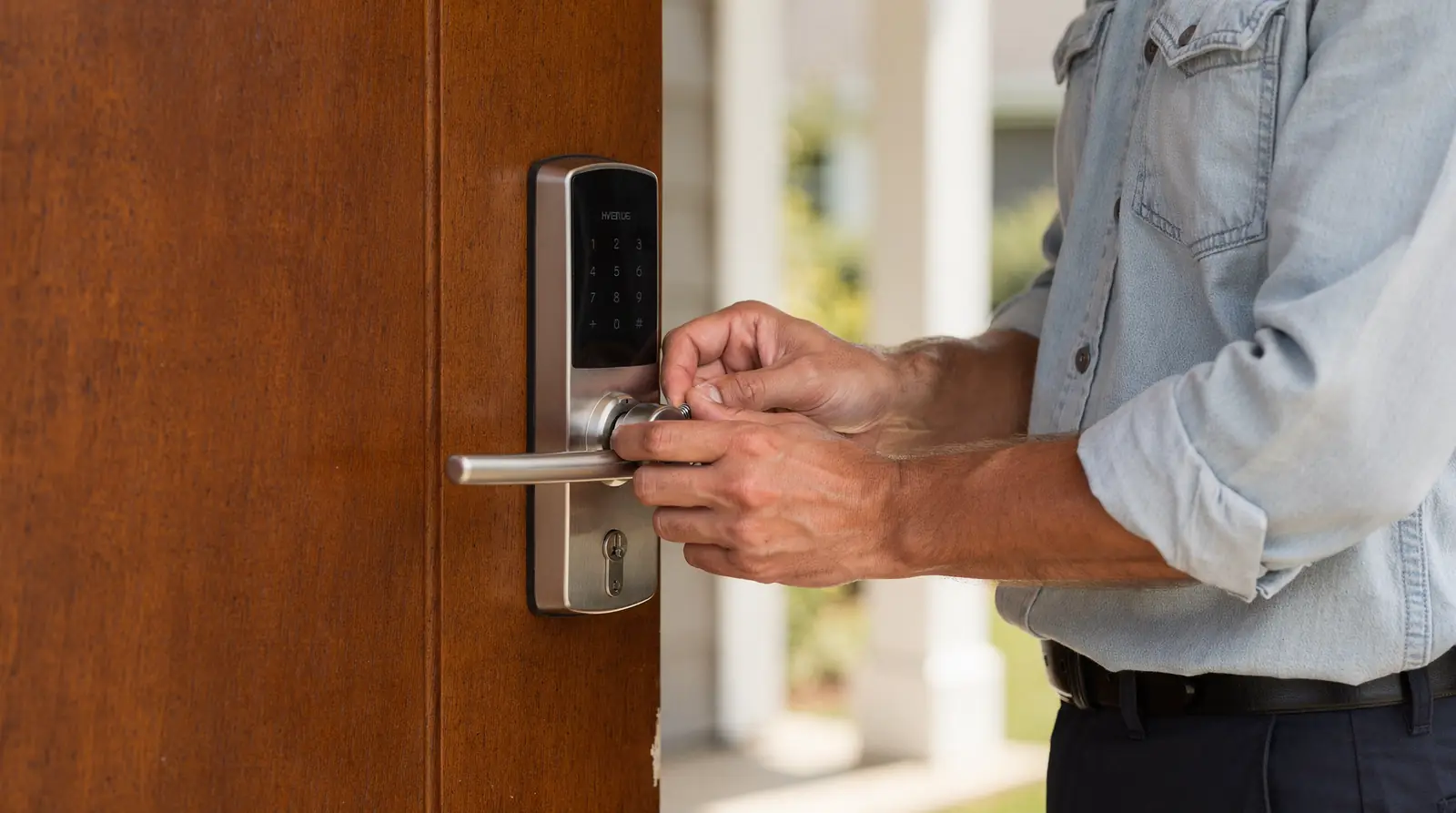
Stronger home security starts with locks, lighting, and a clear emergency plan, not just fall-proofing a hallway. Families who stop at removing throw rugs and grab bars miss a bigger picture. Home safety extends beyond fall prevention into three areas: preparing for emergencies, updating home security, and making the home more accessible.
Each area deserves its own attention:
- Emergency preparedness: Keep a written plan, working flashlights, and a charged phone within reach at all times.
- Security updates: Check door and window locks, add visible lighting outside entryways, and consider a monitored alarm system.
- Accessibility improvements: Widen pathways, lower shelf heights, and remove clutter that blocks a walker or wheelchair.
Identifying which of these matters most for a specific home takes more than guesswork.
What role does professional caregiving play in home security?
Professional oversight turns a general safety checklist into a tailored plan. 1 Mission Home Care’s caregivers hold 100% THHS certification, and registered nurses supervise every case. That structure gives families a trained eye watching for security gaps a busy household might miss.
How does an in-home assessment help identify safety risks?
A free in-home assessment from 1 Mission Home Care pinpoints the specific safety. Care needs inside a loved one’s home. Rather than applying a generic checklist, the assessment looks at entry points, lighting, mobility patterns, and daily routines. Families walk away with a clear picture of what to fix first. That clarity matters more than a long list of theoretical risks.
Home security works best as an ongoing practice, not a one-time fix. Locks get tested, routines get reviewed, and caregivers stay alert to new hazards as circumstances change. Aging in place depends on that consistency.
What Should Families Do to Keep Loved Ones Safe?
Protecting an aging parent starts with a clear plan, not guesswork. Families who want to ensure the safety and well-being of their loved ones at home benefit most from combining professional support with everyday vigilance. A trusted care partner removes much of the burden, but consistent follow-through at home matters just as much.
1 Mission Home Care approaches every family relationship with warmth and respect. Dedicated to kindness, integrity, and excellence, the agency treats each client with dignity throughout the home safety process. That empathetic foundation helps anxious adult children feel heard rather than rushed through decisions about a parent’s care.
Caregiver quality depends on ongoing investment, not a one-time hire. The agency builds relationships within the community and emphasizes continuous caregiver training. Skills stay current as a senior’s needs evolve.
What services help keep an aging parent safe at home?
Safety at home rarely comes from one solution alone. 1 Mission Home Care supports clients through several coordinated services:
- Personal care for daily hygiene, mobility, and medication reminders
- Respite care that gives family caregivers scheduled relief
- Senior transportation to medical appointments and errands
- Transitional caregiving after a hospital stay or surgery
Together, these services maintain quality of life and independence without forcing a move away from familiar surroundings.
How does a family start building a safety plan?
A safety plan begins with an honest look at the home and the individual’s daily routine. Families can request a free in-home assessment, which evaluates fall risks, mobility challenges, and personal needs firsthand. That assessment becomes the foundation for a care plan built specifically around one parent’s circumstances, not a generic checklist.
Frequently Asked Questions
What are the most important home safety steps for seniors aging in place?
The core steps are removing trip hazards like loose rugs and cords, installing grab bars near the toilet and shower, adding nonslip mats in bathrooms, keeping emergency numbers posted in large print by every phone, and scheduling regular caregiver check-ins. A free in-home assessment from 1 Mission Home Care can help identify which of these matters most for a specific home.
How can families reduce the risk of falls at home?
Clearing hallways and walkways of rugs, cords, and clutter; installing grab bars near the toilet and shower; placing nonslip mats inside and outside the tub; and repositioning low tables and ottomans out of high-traffic paths all reduce fall risk. A room-by-room written checklist helps turn these changes into a lasting habit rather than a one-time fix.
What should be included on an emergency contact list for an aging parent?
A complete list includes 911 for immediate emergencies, Poison Control for accidental ingestion or exposure, a trusted family member or neighbor who can respond quickly, and the senior’s primary healthcare provider’s office. Numbers should be printed in large, bold text and posted near every phone in the home, not just one.
How does a free in-home assessment from 1 Mission Home Care work?
A caregiver evaluates entry points, lighting, mobility patterns, and daily routines inside the home rather than applying a generic checklist. Families walk away with a clear picture of which risks to address first, and the assessment becomes the foundation for a care plan built around the individual’s circumstances.
Is home security as important as fall prevention for seniors living alone?
Yes. Seniors living independently can become targets for criminals who look for isolation and vulnerability, so securing doors, windows, and entryway lighting deserves the same attention as removing trip hazards and installing grab bars.
Conclusion
In closing, creating a safe home environment forms the foundation for aging in place with confidence and independence. By implementing these practical strategies, from removing hazards to installing supportive features, seniors establish the physical security necessary to thrive at home. When combined with professional, compassionate care tailored to individual needs, these safety measures empower older adults to maintain their quality of life while remaining in the comfort of their own homes, surrounded by familiarity and cherished memories.

 Copyright © All rights reserved