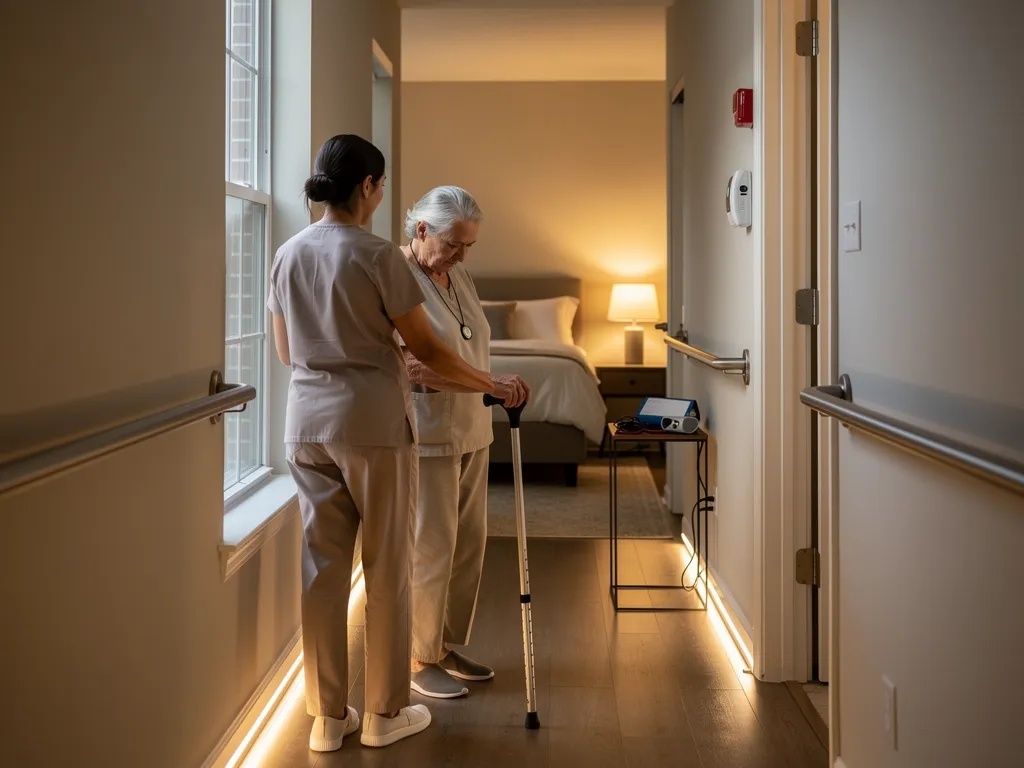
Essential safety measures for seniors in McKinney and Collin County homes include fall prevention through grab bars and clear pathways, secure entryways to prevent wandering, proper nighttime lighting, and accessible emergency communication devices. 1 Mission Home Care supports these measures with 100% THHS-certified caregivers, registered nurse oversight, and personalized care plans built from a free in-home assessment.
What Safety Measures Protect Seniors at Home?
Safety for aging parents rests on trained caregivers, structured oversight, and a respectful approach that eases daily worry. 1 Mission Home Care was founded to help seniors stay safely in their own homes for as long as possible, treating each residence as a place worth protecting rather than leaving behind. Families in McKinney and across Collin County face a real question: how does a home care agency actually keep an aging parent secure day after day?
The answer starts with structure. 1 Mission Home Care provides a wide selection of services, including companion support and specialized attention, led by certified caregivers under nurse supervision. That oversight builds a safety net into every visit rather than leaving families to guess whether care is being handled correctly.
Why does caregiver supervision matter for senior safety?
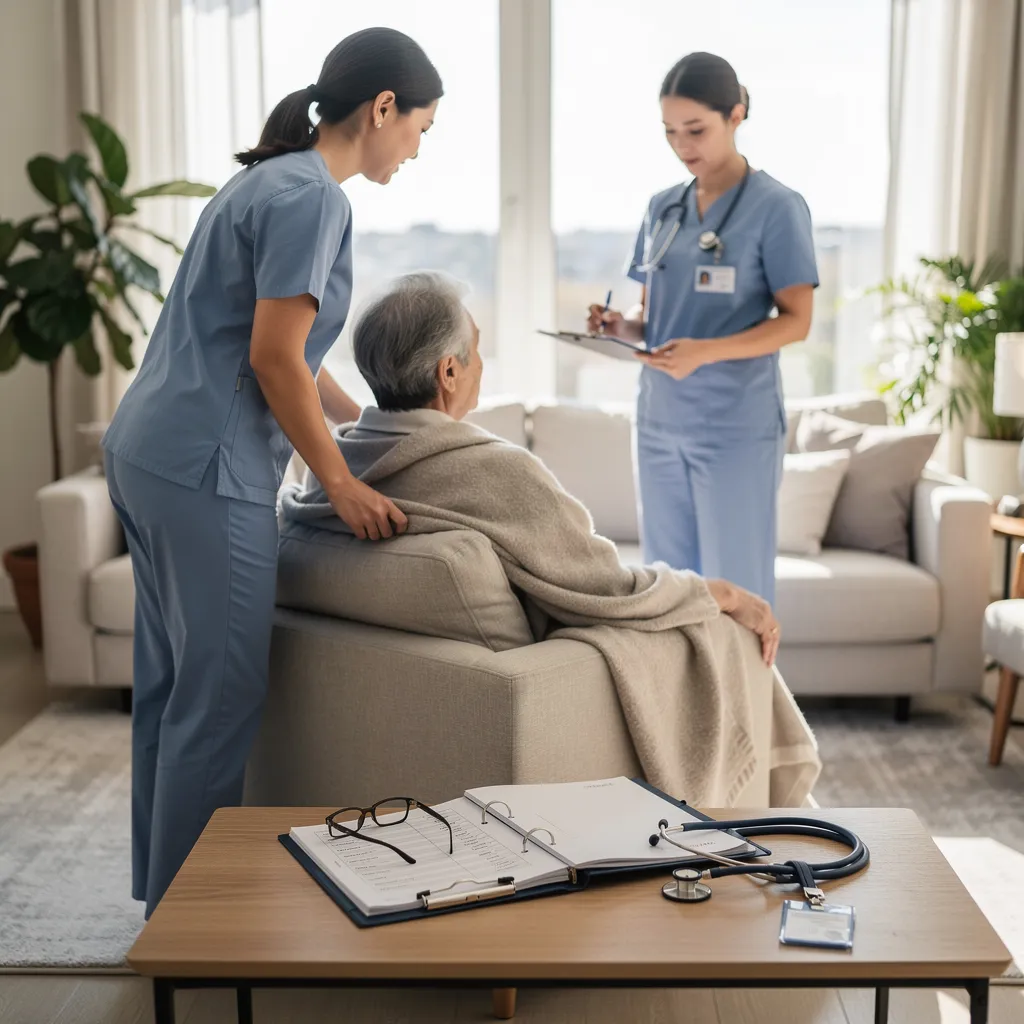
Nurse-led oversight means caregivers aren’t operating alone. Each visit fits into a broader plan reviewed by clinical staff. Changes in a senior’s condition get noticed rather than missed.
Beyond clinical structure, the agency treats every client with a warm, respectful, and dignified approach. That matters because safety isn’t only physical. Families dealing with a parent’s declining mobility or memory often carry emotional stress, and dignified, compassionate care lowers that burden.
Why does aging in place raise safety concerns?
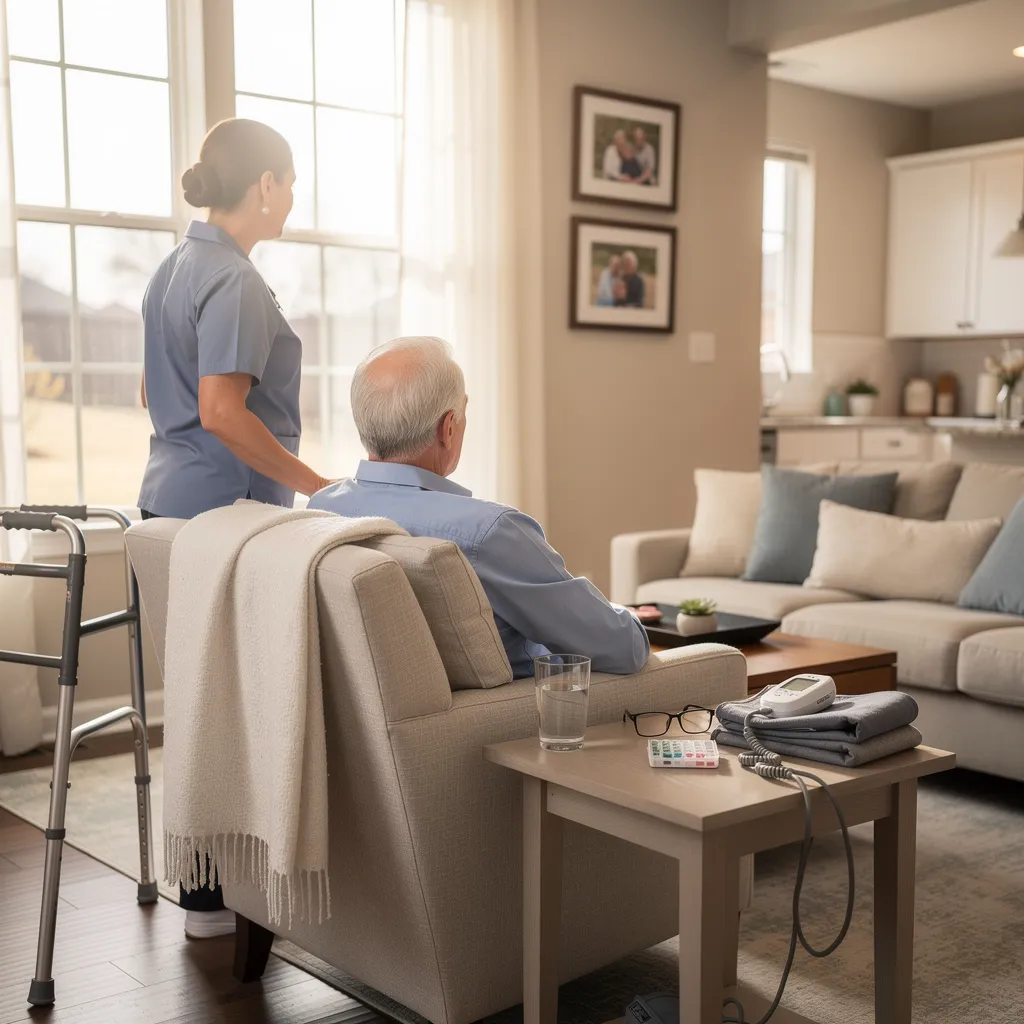
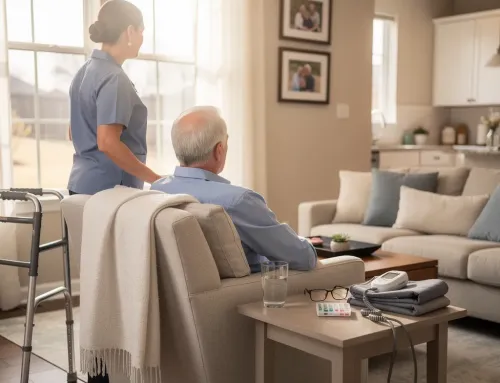
Many older adults want to age in place, staying in their own homes rather than relocating, but often worry about safety, mobility, or handling daily tasks alone. That tension is exactly what structured home care addresses: pairing trained supervision with a respectful, family-oriented approach. Seniors can remain home without families carrying the risk alone.
How Do Certified Caregivers Reduce Everyday Risks?
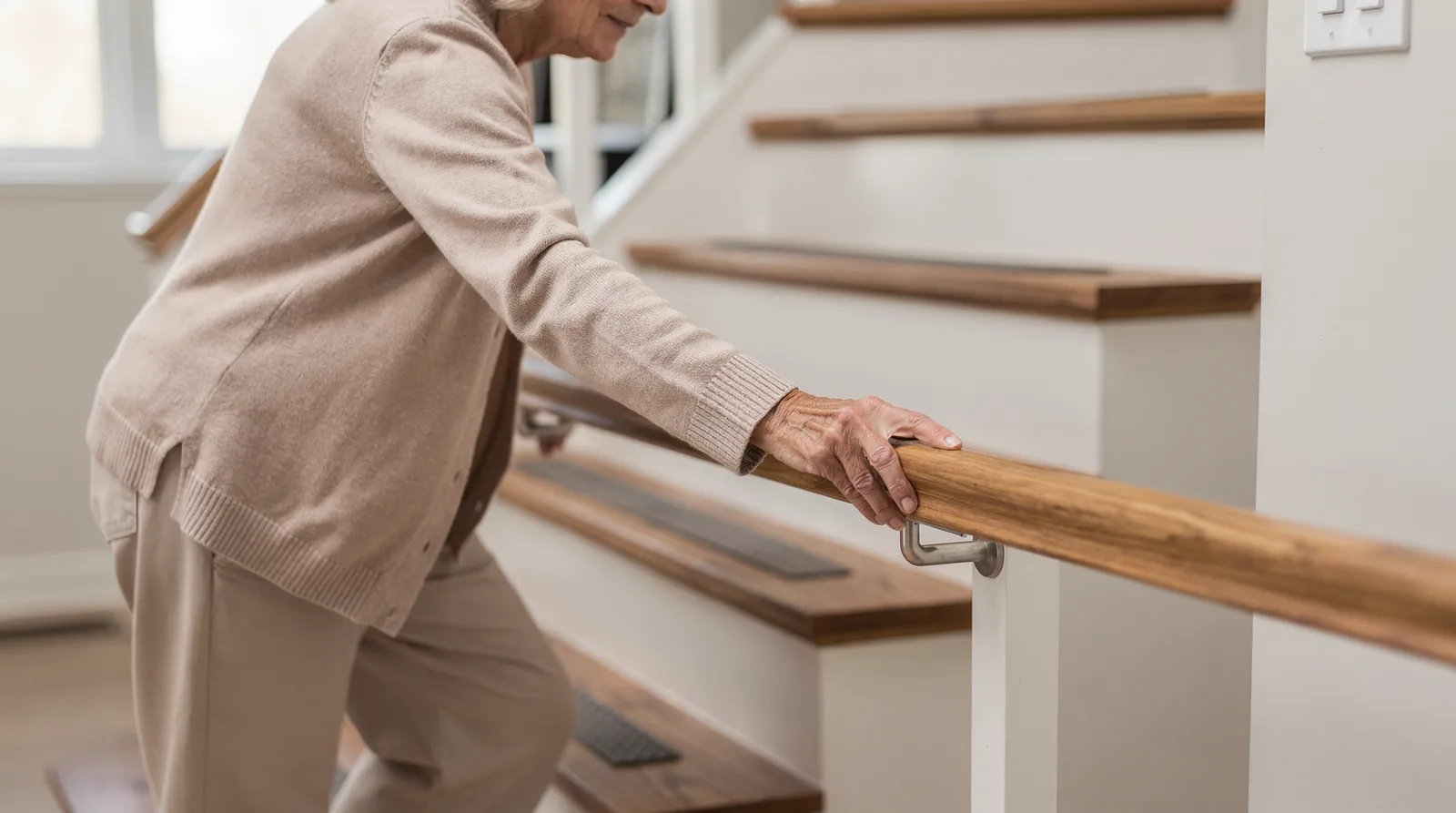
Certified caregivers lower daily risk through training, supervision, and consistent routines built around each senior’s specific needs. Every caregiver at 1 Mission Home Care holds 100% THHS certification (Texas Health and Human Services), establishing a verified baseline of skill before anyone enters a client’s home. That credential covers safe transfer techniques, infection control, and basic emergency response, so families in Collin County aren’t relying on guesswork.
Certification alone doesn’t guarantee good judgment in a fast-changing situation. Registered nurses oversee every caregiver assignment, adding clinical insight to decisions that affect a senior’s daily safety. This oversight structure means a caregiver noticing a new swelling in a client’s ankle or a shift in medication side effects has a nurse to consult, not just a guess to rely on.
What keeps caregiver safety skills current over time?
Ongoing training closes the gap between certification and real-world change. As a senior’s mobility, memory, or medical needs shift, caregivers update their skills to match, rather than applying the same approach indefinitely. This continuous learning model protects against the quiet risk of outdated care habits.
Which daily services protect independence without adding danger?
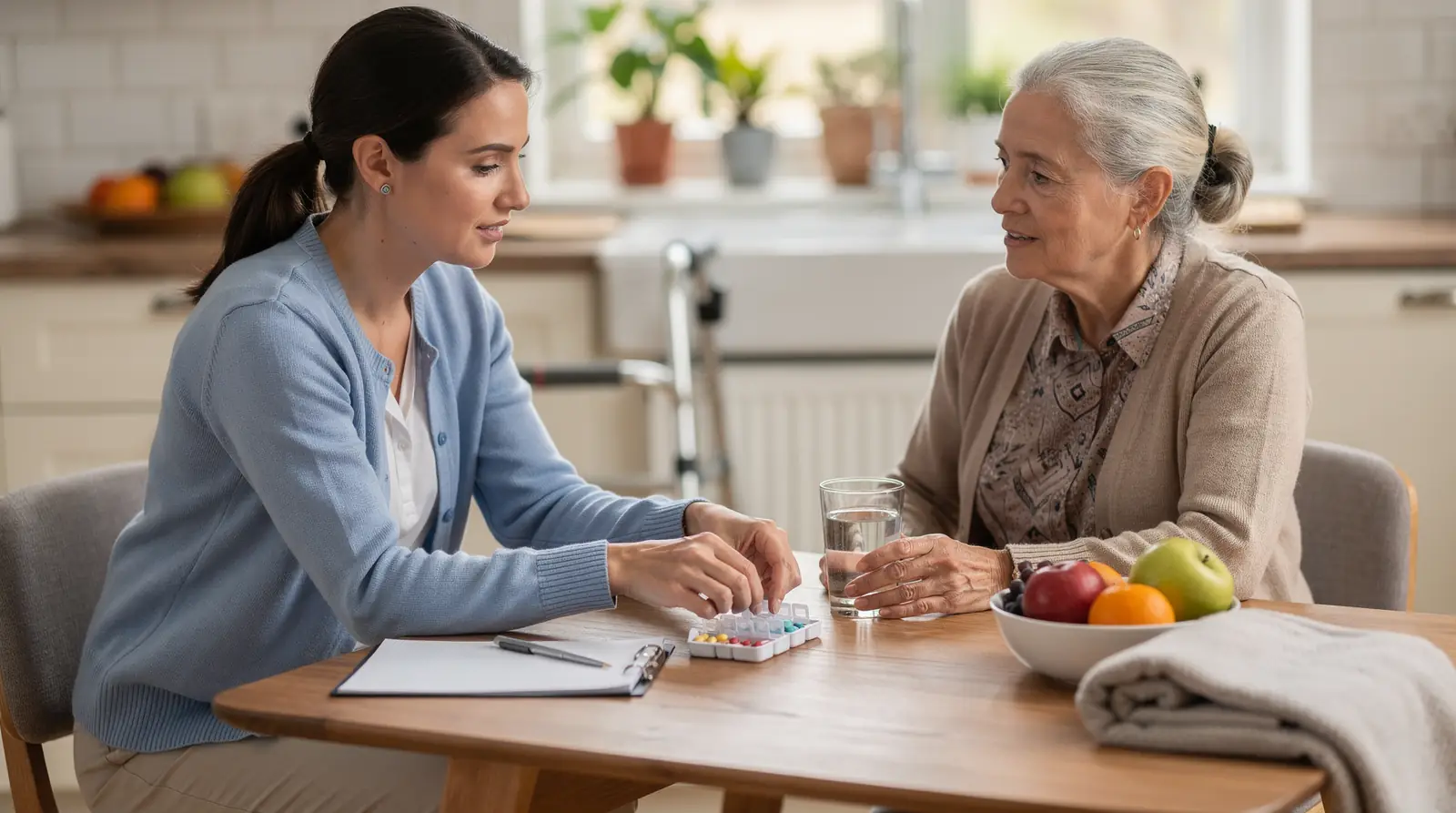
Several core services let seniors stay active while reducing exposure to common hazards:
- Personal care support with bathing, dressing, and mobility reduces fall risk during routine tasks.
- Respite care gives family caregivers scheduled relief, preventing fatigue-driven lapses in supervision.
- Senior transportation lowers the danger of solo driving or missed medical appointments.
- Transitional caregiving eases the move home after a hospital stay, when fall and medication risks spike.
Together, certification, nursing oversight, and ongoing training form a safety net that adjusts as a parent’s needs evolve.
What Fall Prevention Steps Keep Seniors Safer?
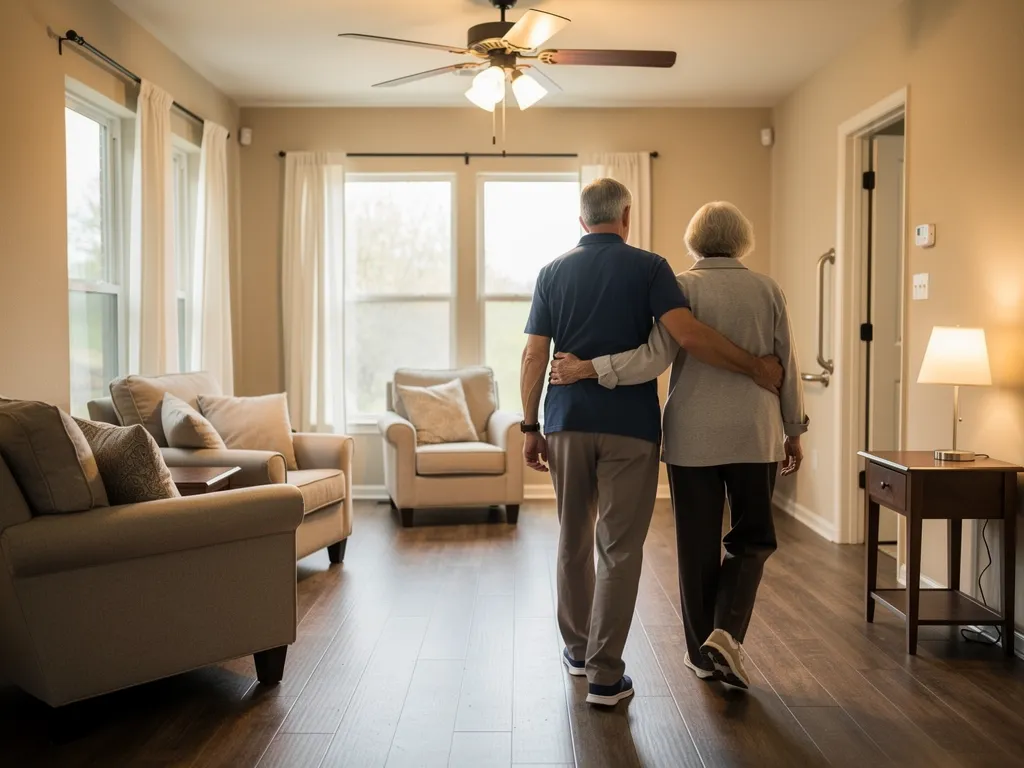
Clear walkways reduce fall risk more than any single safety device. Fall prevention starts with identifying everyday clutter that turns a short walk to the kitchen into a hazard. Area rugs, loose electrical cords, low tables, and ottomans rank among the most common tripping hazards in a senior’s home. Removing or repositioning these items opens up a clear, predictable path through frequently used rooms.
Flooring choices matter just as much as clutter control. Non-slip flooring, combined with securing or covering loose cords and wires, lowers the odds of a slip considerably. Families in McKinney and across Collin County can start with a simple room-by-room review:
- Clear rugs, cords, and low furniture from main walking paths
- Replace slick flooring surfaces or add non-slip treatments
- Tape down or reroute any exposed wires near seating areas
- Keep frequently used items within easy reach to avoid overreaching or climbing
How does 1 Mission Home Care identify fall risks in a specific home?
A free in-home assessment from 1 Mission Home Care pinpoints the exact fall. Mobility hazards present in a senior’s living space. Every home is different, so a generic checklist only goes so far. Trained staff walk through the residence, note risk areas, and translate those observations into a personalized safety plan.
What happens after the assessment?
The findings shape a care plan built around the senior’s actual mobility needs, not assumptions. That plan pairs the family with a caregiver suited to those specific requirements, whether the priority is steady assistance during transfers or simple supervision during daily movement around the house. This matching process gives families in McKinney added confidence that safety planning fits their loved one’s real daily routine.
How Is Overnight and Emergency Safety Handled?
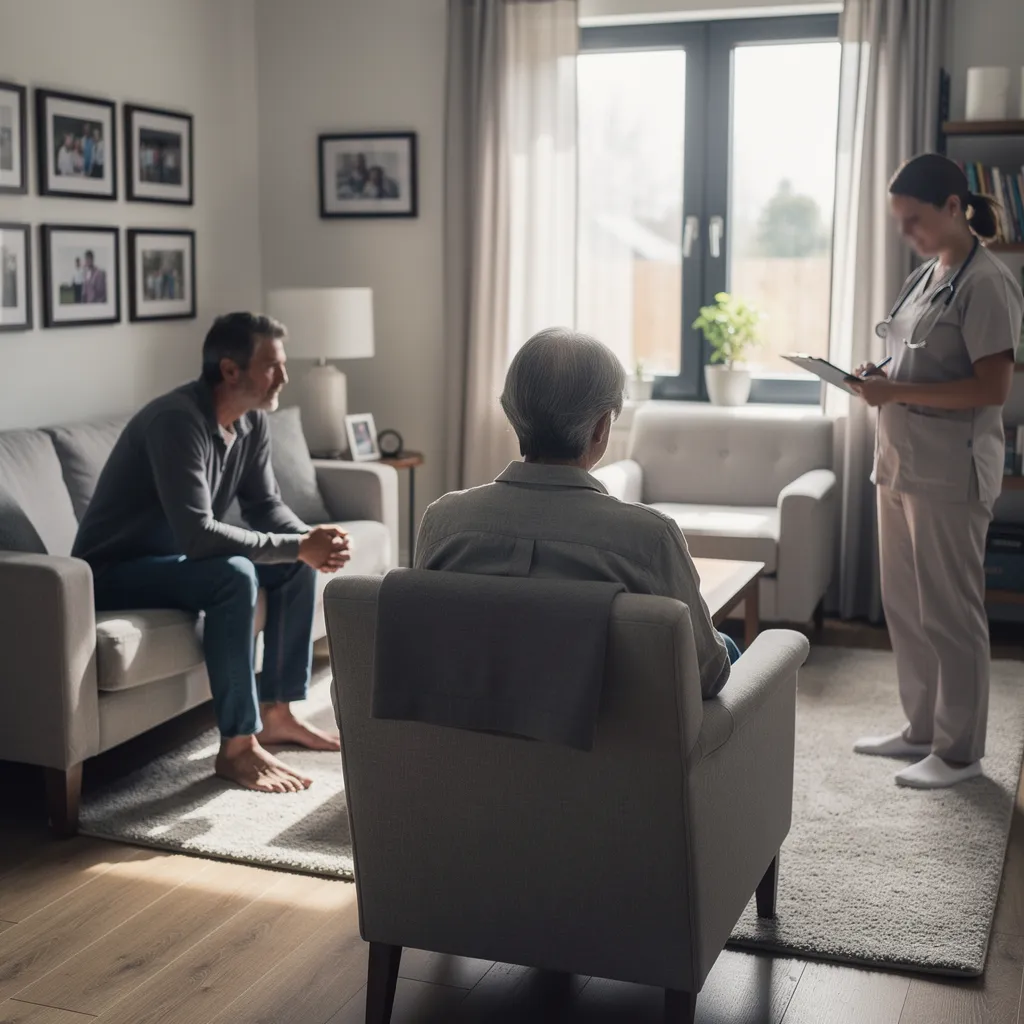
Nighttime hours carry distinct dangers for aging adults living at home. Falls, wandering, and medication errors happen more often after dark, when supervision naturally thins and confusion can set in. Overnight caregiving plans start by identifying which of these risks apply to a specific parent or loved one, then build safeguards around them.
A safer overnight environment rests on three fundamentals: proper lighting, clear pathways, and secure entryways. Dim hallways and cluttered walkways invite falls; unlocked doors invite wandering. Addressing these basics removes much of the risk before it becomes an emergency.
What Does an Overnight Safety Routine Actually Include?
A structured routine typically covers these elements:
- Nighttime risk assessment: identifying fall zones, wandering triggers, and medication timing issues
- Lighting adjustments: nightlights and motion-sensor lights along common walking routes
- Pathway checks: clearing cords, rugs, and furniture from routes to the bathroom
- Entryway security: confirming doors and windows are locked before sleep
Each element works together, not in isolation, so a missed step in one area can undercut the rest.
Who Actually Responds if Something Goes Wrong at Night?
Clinical oversight makes the difference between a delayed response and an effective one. Because 1 Mission Home Care caregivers work under registered nurse supervision, families gain a layer of medical judgment behind every overnight and emergency decision, not just a caregiver’s best guess.
That oversight is reinforced by training standards. Every caregiver holds 100% THHS certification, meaning consistent, trained emergency response is built into every shift, day or night. Families in McKinney and Collin County get the same standard of preparedness at 2 a.m. as they would at 2 p.m., which matters most when minutes count.
Why Does a Home Safety Assessment Matter First?
A home safety assessment comes before any equipment purchase, furniture rearrangement, or care plan decision. Skipping this step risks wasted money on the wrong fixes and, worse, leaves real hazards unaddressed. Experts agree that completing a thorough evaluation is crucial before making any modifications to a senior’s living space. Without that baseline, families in McKinney and Plano end up guessing at solutions instead of targeting the risks that actually threaten a parent’s independence.
1 Mission Home Care builds this principle into its process from day one. The agency’s free in-home assessment identifies each family’s specific needs before a single recommendation gets made. A registered nurse-supervised team reviews the home in person, noting fall risks, mobility challenges, and daily routines unique to that household. This foundation allows a care plan to match the actual person, not a generic checklist.
What Happens During an In-Home Safety Assessment?
A caregiver or nurse walks through the home evaluating lighting, pathways, bathroom safety, and medication routines. The visit also covers mobility patterns and any cognitive concerns that affect nighttime safety. Findings from this walkthrough shape the specific care plan that follows, so nothing gets left to guesswork.
Safety, though, does not end after the first visit. Ongoing community relationships and continuous caregiver training keep standards current as a senior’s needs change over time. Because 1 Mission Home Care offers a full range of services, from personal care to senior transportation, families across Collin County maintain consistent safety protections even as circumstances shift, rather than starting over with a new provider each time a need evolves.
Frequently Asked Questions
What certifications do 1 Mission Home Care caregivers hold?
Every caregiver is 100% THHS (Texas Health and Human Services) certified, and registered nurses oversee each assignment to add clinical judgment to day-to-day care decisions.
How does 1 Mission Home Care help prevent falls at home?
A free in-home assessment identifies specific hazards like loose rugs, cords, and poor lighting, then shapes a personalized plan that addresses clear walkways, non-slip flooring, and grab bars where needed.
What happens during a free in-home safety assessment?
A caregiver or nurse walks through the home evaluating lighting, pathways, bathroom safety, and medication routines, then uses those findings to build a care plan matched to the senior’s actual daily needs.
How is overnight safety handled for seniors receiving home care?
Overnight plans cover nighttime risk assessment, lighting adjustments, pathway checks, and entryway security, all backed by registered nurse oversight and THHS-certified caregivers who are prepared around the clock.
Does 1 Mission Home Care serve families in McKinney and Collin County?
Yes. 1 Mission Home Care provides personalized senior care plans, including personal care, respite care, senior transportation, and transitional caregiving, to families throughout McKinney and Collin County.
Conclusion
In closing, safety in home care reflects a commitment to preserving both physical well-being and personal dignity. At 1 Mission Home Care, our 100% THHS certified caregivers, supervised by registered nurses, implement comprehensive safety measures tailored to each individual’s unique needs. Through personalized care plans developed during free in-home assessments. Continuous caregiver training, we ensure your loved one receives compassionate support that prioritizes independence while maintaining the highest standards of protection, allowing them to age safely and comfortably in the home they cherish.



 Copyright © All rights reserved