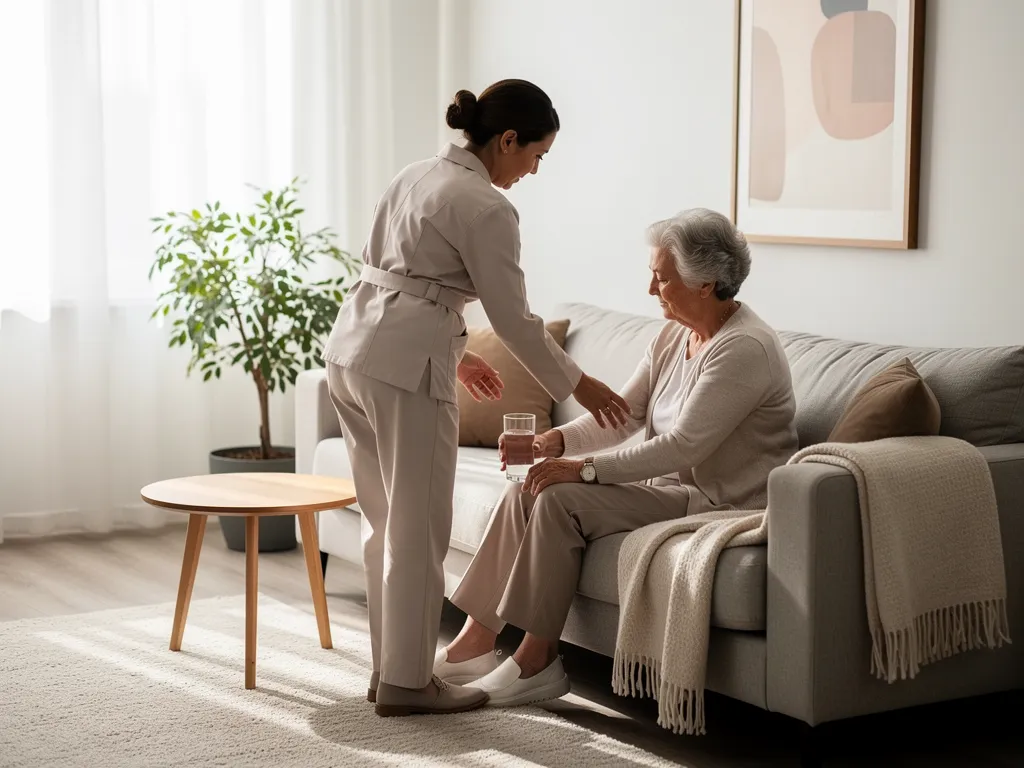
1 Mission Home Care requires 100% THHS certified caregivers led by registered nurses. Training focuses on identifying risks, adhering to care plans, and protecting client dignity. How Do You Ensure the Quality and Training of Your Caregivers? ensures caregivers act effectively in real situations, not just after completing a course. Families receive safe, compassionate care from thoroughly vetted professionals.
Why Do Caregiver Standards Matter Most?
Caregiver standards determine whether a senior remains safe at home or faces preventable decline. Home care quality standards are the foundation of effective and compassionate care delivery, guiding every aspect of service from initial assessment to ongoing support. Without rigorous benchmarks, families risk entrusting vulnerable loved ones to caregivers who lack the skills to recognize early warning signs of health deterioration. That gap leads to avoidable hospitalizations and the loss of independence that seniors value most.
1 Mission Home Care was founded with the purpose of creating an environment that allows every senior to stay in their homes as long as possible. This mission depends entirely on caregiver quality and training protocols that exceed baseline requirements. The agency offers compassionate care that comes from a family-oriented approach, ensuring every client is treated with respect and dignity. Standards transform good intentions into measurable outcomes.
What happens when caregiver standards are weak?
Poorly trained caregivers miss subtle changes in a senior’s condition. Mobility declines go unnoticed. Medication schedules slip. Families discover problems only after a crisis occurs. The emotional and financial costs of that reactive cycle far outweigh the investment in proactive quality measures.
How do standards protect a senior’s dignity at home?
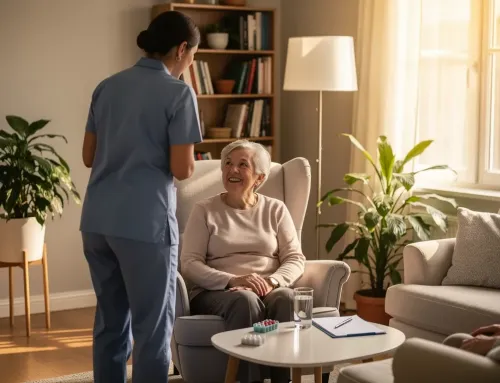
Consistent standards ensure caregivers honor personal routines and preferences rather than imposing one-size-fits-all care. A senior who values morning independence receives support that preserves that ritual. Dignity erodes when caregivers lack the training to balance safety with autonomy. 1 Mission Home Care builds care plans around the individual, not the convenience of the provider.
The stakes extend beyond physical safety. Seniors who receive care from thoroughly vetted, well-trained professionals maintain stronger emotional health and social connection. Families gain confidence that their loved one’s quality of life remains the central priority, not an afterthought.
How Do You Ensure the Quality and Training of Your Caregivers?
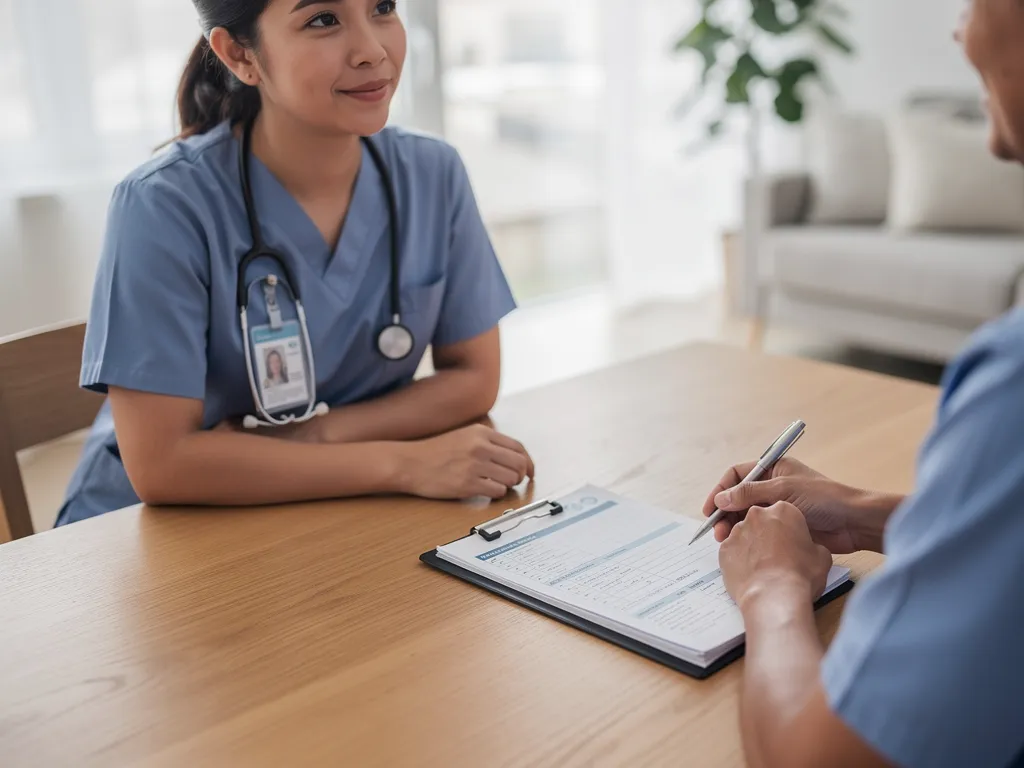
1 Mission Home Care builds caregiver quality on two non-negotiable pillars. Every caregiver holds 100% THHS certification, and every care plan operates under registered nurse supervision. Families who skip these vetting steps risk inconsistent care and safety gaps that erode a senior’s ability to remain at home.
The agency’s approach to caregiver training extends far beyond initial credentialing. Continuous skill development keeps caregivers sharp and responsive. An effective training system enables caregivers to identify risks, adhere to care plans, communicate clearly, and protect the dignity of their clients. Without ongoing education, even well-intentioned aides miss early warning signs of decline.
What certifications do 1 Mission Home Care caregivers hold?
Every caregiver completes the Texas Health and Human Services certification process. This state-mandated credential confirms competency in personal care, safety protocols, and client rights. Registered nurses then provide direct oversight, reviewing care plans and stepping in when clinical judgment is required. The result is a full continuum of care that adjusts as needs change.
How does ongoing training improve daily care?
Training that stops after orientation leaves families exposed. 1 Mission Home Care reinforces skills through regular sessions focused on real-world scenarios. Caregivers practice risk identification and sharpen communication techniques. They learn to follow detailed care plans without drifting into shortcuts. This consistent reinforcement protects client dignity and catches subtle changes before they become emergencies.
What Screening Process Ensures Caregiver Quality?

1 Mission Home Care builds caregiver quality through a rigorous, multi-layered screening process. The agency’s approach combines thorough vetting with continuous training and community-rooted accountability.
How does the agency verify caregiver qualifications?
Every caregiver undergoes a comprehensive background evaluation before joining the team. The agency confirms certifications, checks professional references, and validates hands-on care experience. This verification process protects families from the risks of unvetted providers entering a loved one’s home.
What ongoing training maintains high standards?
Screening does not stop at the hiring decision. 1 Mission Home Care emphasizes continuous caregiver training as a core operational principle. Caregivers receive regular skill updates and supervision that reinforce safety protocols, communication techniques, and specialized care methods. The agency builds collaborative community relationships that create additional layers of accountability. A community-focused environment promotes a supportive and inclusive atmosphere for clients and staff alike. This culture means caregivers learn from peers, supervisors, and the families they serve.
The result is a team that delivers services with utmost respect and integrity. Families receive high-quality, compassionate support from professionals who are known, trusted, and consistently developed. Every interaction reflects the agency’s commitment to treating clients with dignity.
How Does Training Support Specialized Care Needs?
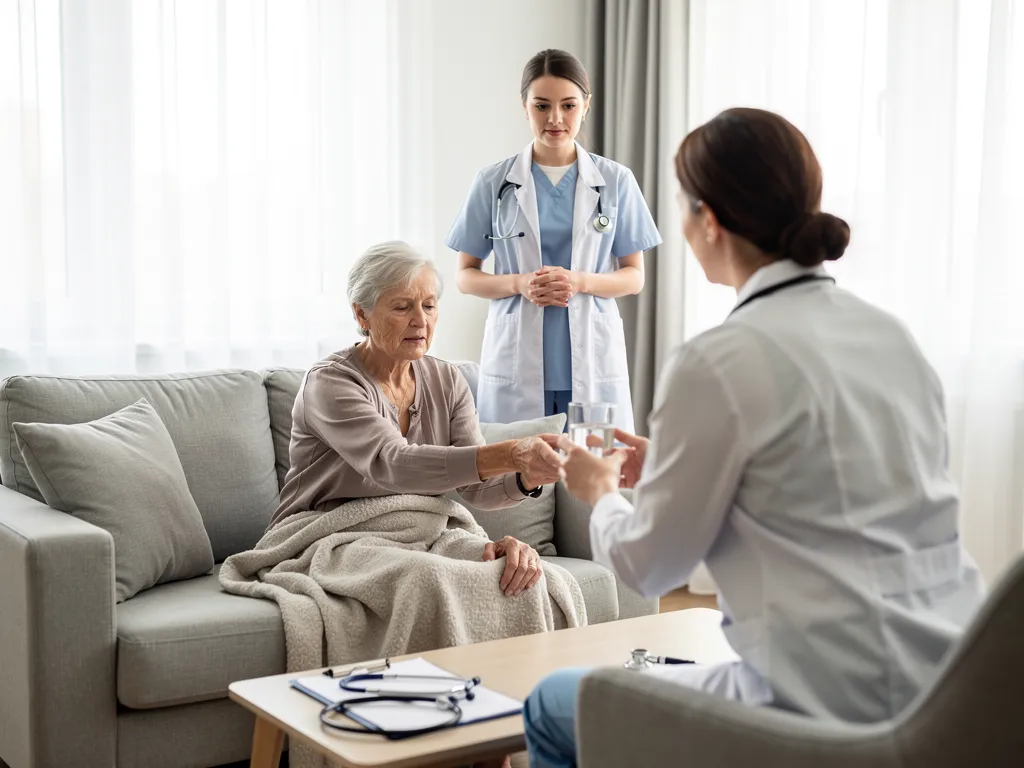
Specialized training equips caregivers to manage complex conditions with confidence and precision. Without it, families risk inconsistent care that undermines safety and accelerates cognitive decline. **** The answer lies in structured programs that connect clinical knowledge to real-world caregiving moments.
1 Mission Home Care designs care plans for the specific needs of individuals based on a free in-home assessment. That assessment identifies exactly what specialized support a senior requires. Training then transforms those findings into daily actions. A caregiver supporting someone with Alzheimer’s learns different techniques than one assisting with post-surgery recovery. The training matches the condition.
What specialized care services require advanced caregiver training?
Services ranging from companion care to specialized Alzheimer’s and dementia care demand distinct skill sets. Companion care focuses on social engagement and light household support. Dementia care requires redirection strategies, communication adaptations, and environmental safety protocols. Each level builds on a foundation of empathy and technical knowledge.
How does family involvement shape training outcomes?
Home health clinicians report a need for family caregiver assistance during the majority of skilled home health care episodes, according to a qualitative study published in the Journal of the American Geriatrics Society. This reality makes family education a critical training component. Caregivers teach family members how to reinforce therapeutic routines between professional visits. The result is a unified care environment where everyone follows the same evidence-based approach.
1 Mission Home Care structures its training around the full continuum of care. A caregiver trained only in basic companionship cannot safely support a client with advanced dementia. The company’s registered nurses supervise all caregivers and verify competency before assigning specialized cases. Families receive documentation confirming that the assigned caregiver holds the right certifications for their loved one’s diagnosis. That transparency eliminates guesswork during an already stressful decision.
How Does Ongoing Supervision Maintain Quality?
Ongoing supervision protects client well-being and catches small problems before they escalate. Without consistent oversight, even well-trained caregivers drift from care plans, and families lose the early warning signs that prevent hospital readmissions. 1 Mission Home Care structures supervision as a continuous safety net, not a periodic checkbox.
The company provides a full continuum of care led by 100% THHS certified caregivers under the direct supervision of registered nurses. Registered nurses conduct regular in-home oversight visits, review care documentation, and adjust care plans as a client’s condition changes. This clinical layer ensures that every caregiver, regardless of experience, operates within evidence-based protocols. Home care quality standards protect the health and well-being of clients and ensure compliance with regulatory requirements, and supervision is the mechanism that makes those standards stick.
What happens during a registered nurse supervisory visit?
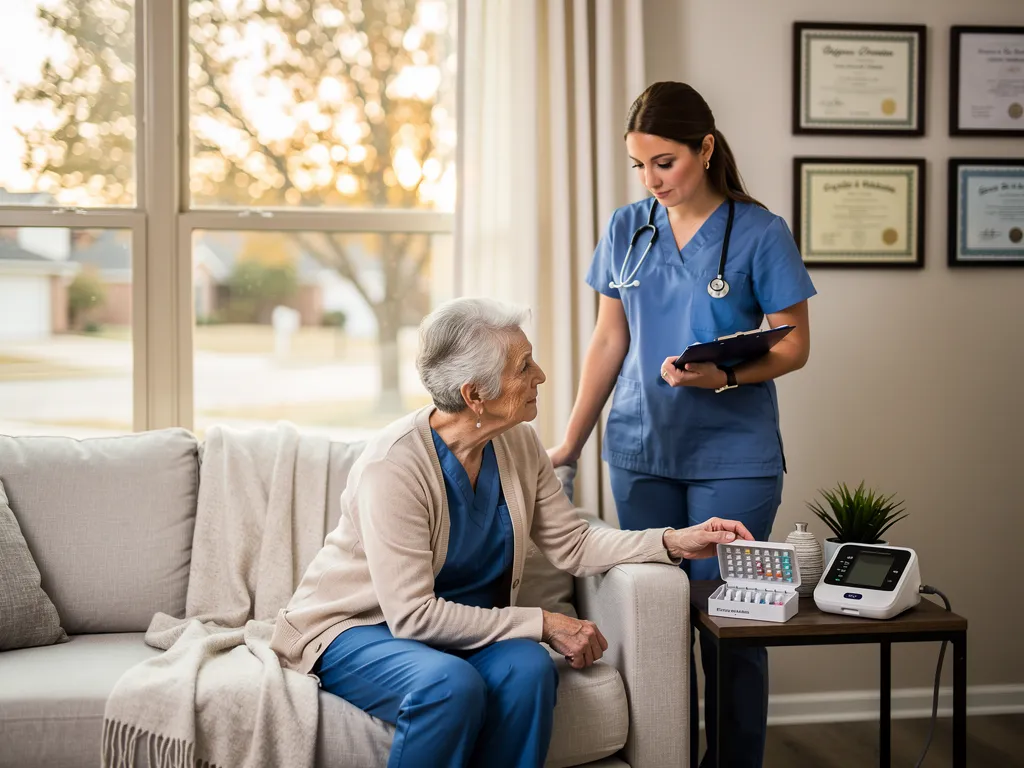
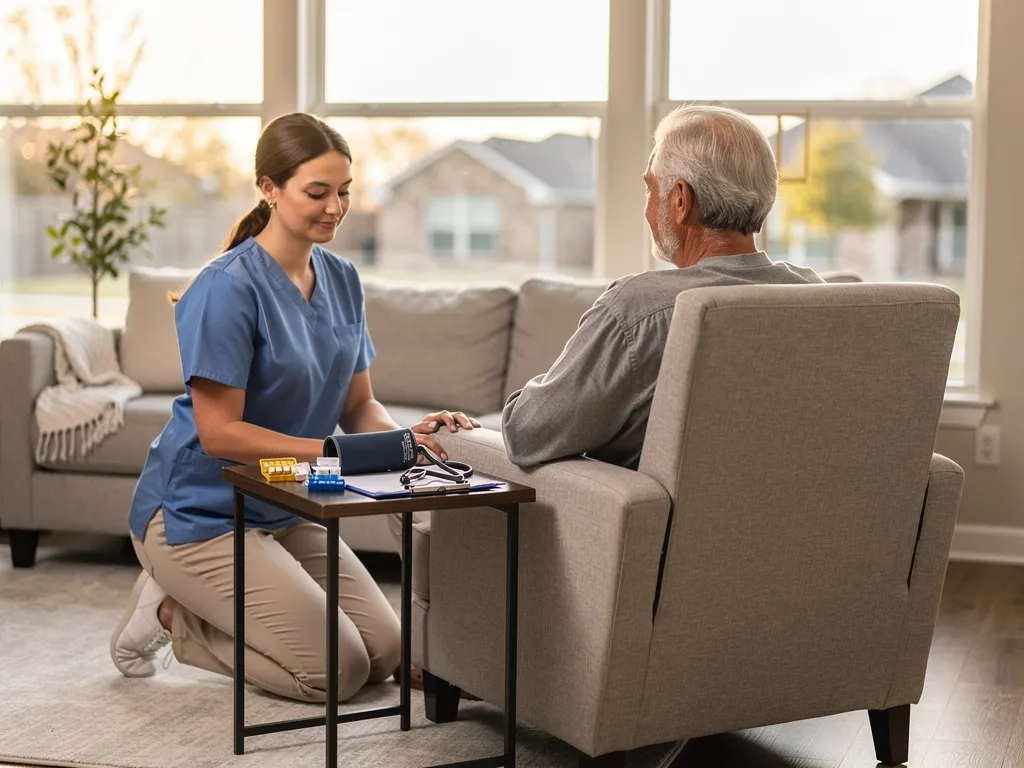
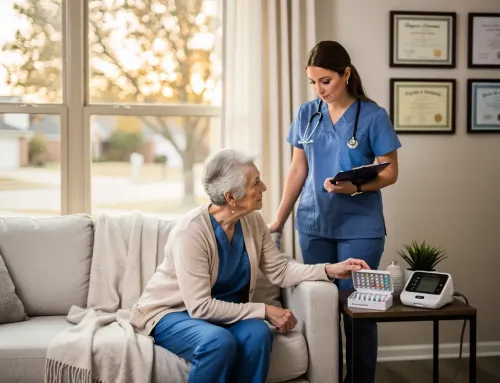
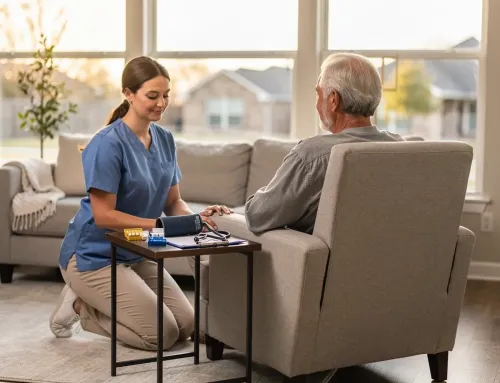
A supervising registered nurse performs several specific checks during each visit. The nurse observes caregiver-client interactions, verifies medication management, and assesses changes in mobility or cognition. Any deviation from the care plan triggers an immediate update and retraining session with the caregiver. Families receive a summary of findings, which closes the communication loop that fragmented care models leave open.
How does supervision catch problems that training alone misses?
Training teaches correct procedures. Supervision verifies correct execution. A caregiver who completed fall-prevention training still needs observation to confirm proper transfer technique under real home conditions. The agency’s dedication to excellence and empathy shows in this dual-layer approach. Supervisors identify skill gaps that classroom settings never reveal and address them through targeted coaching. This collaborative, community-focused model means caregivers improve continuously, and clients experience safer, more consistent care.
Frequently Asked Questions
What certification must every 1 Mission Home Care caregiver hold?
Every caregiver is 100% THHS (Texas Health and Human Services) certified before working with clients. This state-mandated credential confirms competency in personal care, safety protocols, and client rights, and every caregiver works under the direct supervision of registered nurses.
How does 1 Mission Home Care screen caregivers before hiring?
Each caregiver undergoes a comprehensive background evaluation, including verification of certifications, professional reference checks, and validation of hands-on care experience. This multi-layered screening protects families from the risks of unvetted providers entering a loved one’s home.
Does training continue after a caregiver is hired?
Yes. Caregivers receive ongoing skill development through regular sessions focused on real-world scenarios, risk identification, and communication techniques. Registered nurses also conduct supervisory visits that verify correct execution of care plans and address any skill gaps through targeted coaching.
How are caregivers matched to specialized needs like dementia care?
1 Mission Home Care starts with a free in-home assessment to identify a senior’s specific needs, then assigns a caregiver whose training matches that condition. Registered nurses verify competency before assigning specialized cases, and families receive documentation confirming the caregiver holds the right qualifications for their loved one’s diagnosis.
What happens if a caregiver drifts from the care plan?
Registered nurses conduct regular in-home oversight visits to observe caregiver-client interactions, verify medication management, and assess changes in mobility or cognition. Any deviation from the care plan triggers an immediate update and retraining session, with families receiving a summary of the findings.
Conclusion
Choosing a home care provider means trusting that every caregiver entering your home meets rigorous standards for skill, integrity, and compassion. The combination of thorough screening, condition-specific training, and continuous registered nurse supervision creates a safety net that protects your loved one every day. This layered approach transforms training from a one-time credential into a living standard of care, giving families the confidence to focus on what matters most: quality time together.

 Copyright © All rights reserved