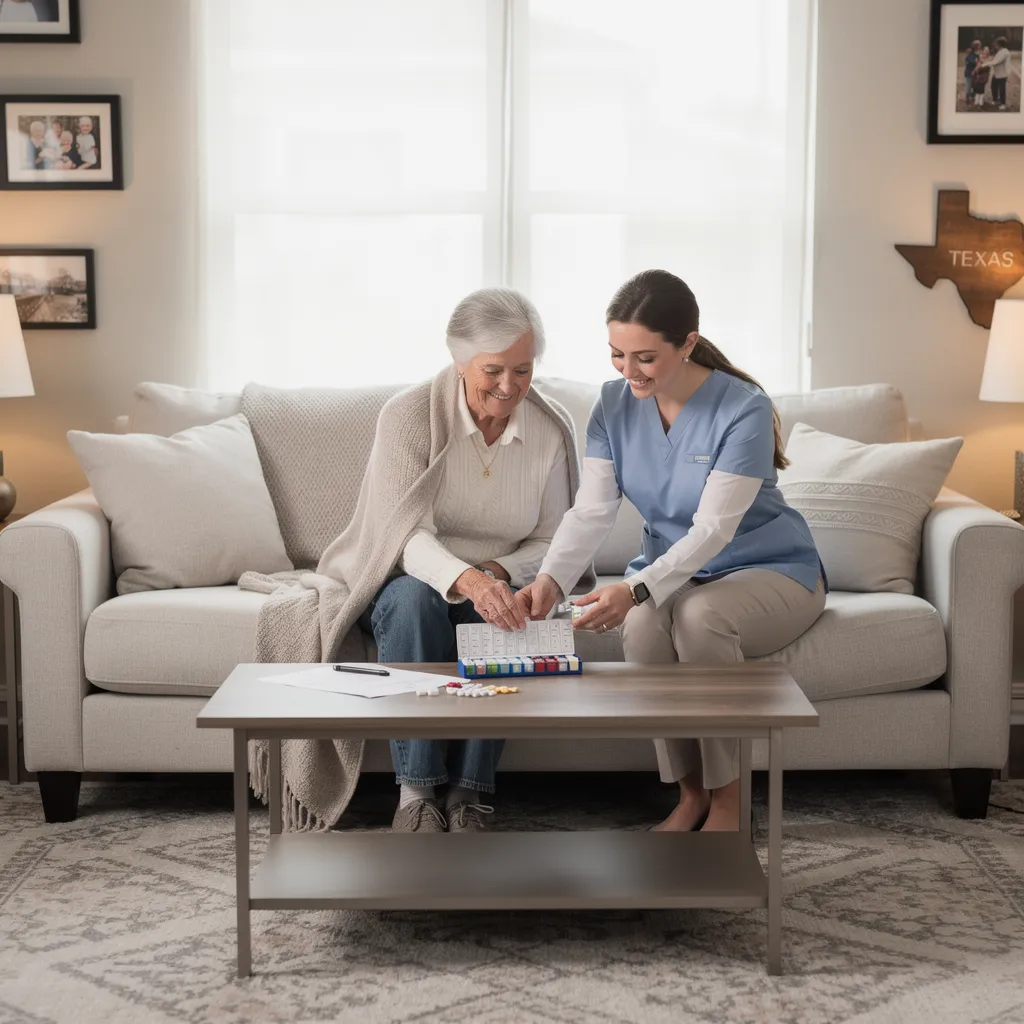
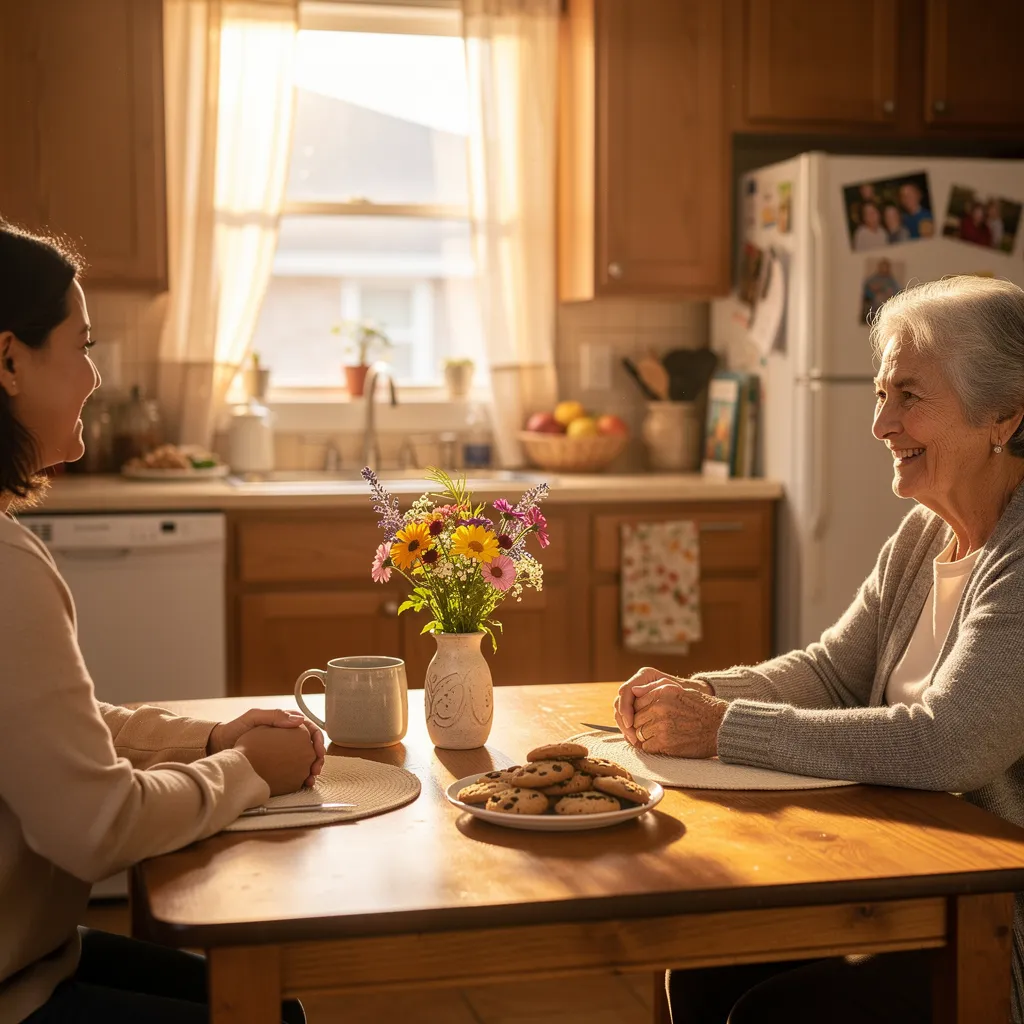
When it comes to In-Home Care Services for Seniors, families in McKinney, Texas find in-home senior care through agencies like 1 Mission Home Care, which offers free in-home assessments and a significant number of THHS certified caregivers supervised by registered nurses. 1Missionhomecare.Com Services span companion care, personal care, respite care, transportation, and Alzheimer’s and dementia support, with care plans tailored to each senior’s specific needs.
Why Do McKinney Seniors Want to Age at Home?
Familiarity drives the decision. Most older adults in McKinney want to stay near the same kitchen table, the same church pew, and the same neighbors they’ve known for decades. That preference for the familiar sits at the heart of why. Many families now seek out in-home care services for seniors instead of relocating a parent to a facility.
1 Mission Home Care was founded around this exact instinct: seniors deserve to stay in their own homes as long as possible, not be moved out of them by default. 1Missionhomecare.Com The agency’s approach treats care as a family matter first, and a clinical service second. Caregiving, in this model, looks more like the support a devoted relative would give than a checklist performed by a stranger.
Is home care actually common in McKinney, or is it a niche option?
It’s far from niche. The McKinney market includes 47 home care agencies competing for local families’ trust, a sign that demand for at-home support runs deep across the community. Families comparing options typically weigh a few factors:
- Whether the agency is locally based or run from a distant corporate office
- How caregivers are trained and supervised
- Whether care plans flex as a senior’s needs change
Does it matter if an agency is local to McKinney?
Local roots matter more than families expect. 1 Mission Home Care is locally owned and operated, serving McKinney and Plano and the surrounding communities directly. 1Missionhomecare.Com A locally grounded provider understands neighborhood layouts, nearby medical offices, and the pace of daily life in Collin County. Details that shape how care actually gets delivered, not just how it’s promised on a website.
What In-Home Care Services Are Available in McKinney?
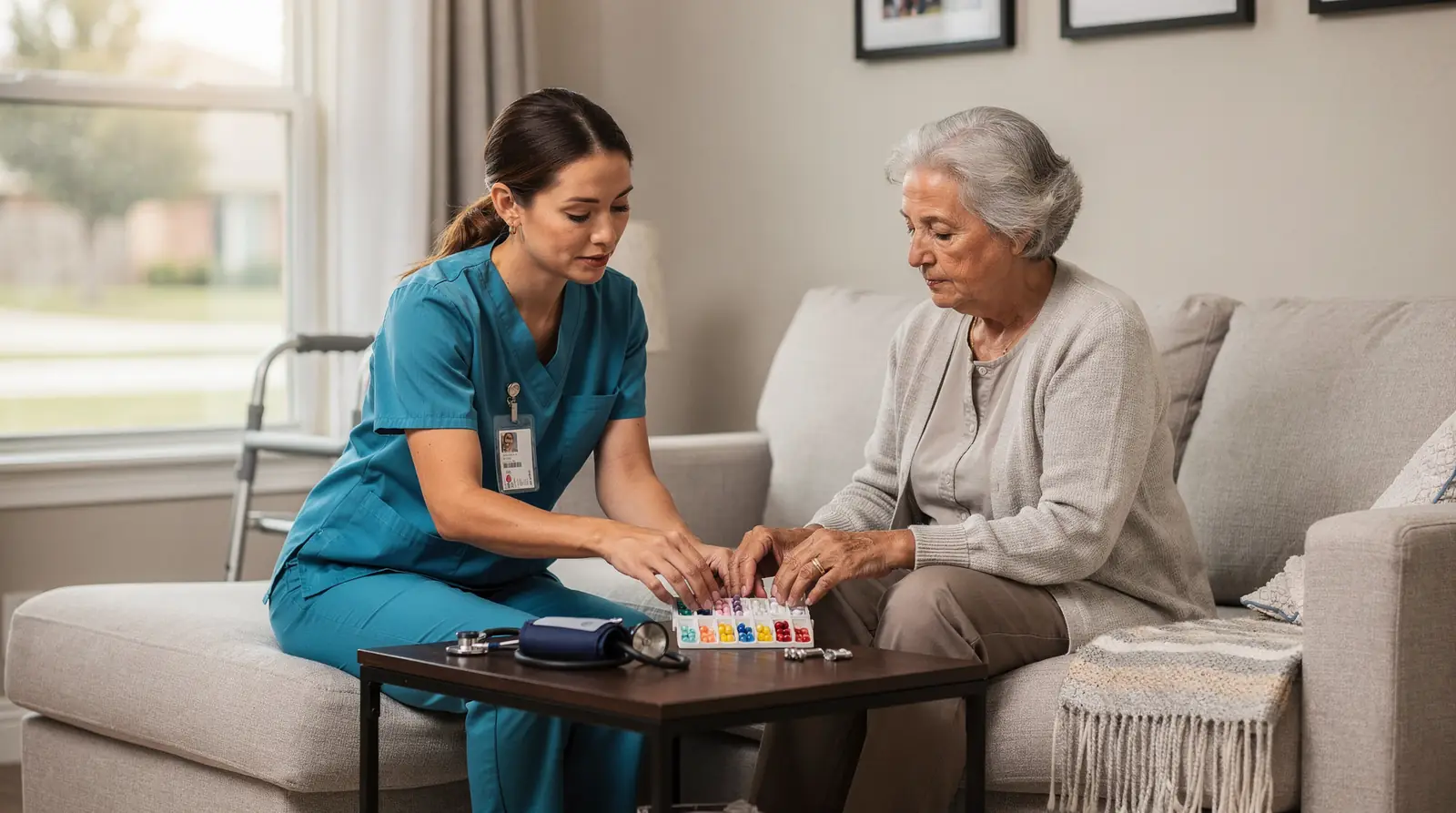
McKinney families choosing home-based support for an aging parent find a range of services designed to fit specific needs rather than a generic package. In-home care services for seniors in this market typically span a full continuum, starting with companion visits and extending through specialized memory care for individuals living with Alzheimer’s disease. That range matters because a parent’s needs at 75 rarely match their needs at 85.
Personal care assistance covers bathing, dressing, and mobility support for adults who need hands-on help with daily routines. Respite care gives family caregivers a scheduled break, whether for a few hours or several days, without leaving a loved one unattended. Senior transportation helps with medical appointments and errands when driving becomes unsafe. Transitional caregiving support bridges the gap between a hospital discharge. A safe return home, reducing the risk of setbacks during recovery.
What makes McKinney home care personalized rather than one-size-fits-all?
Providers serving McKinney generally build care plans around one-on-one attention instead of standardized routines. A caregiver assigned to one client focuses on that person’s schedule, preferences, and health concerns rather than splitting attention across a group setting.
Do other McKinney agencies offer similar services?
Yes. Several agencies operating throughout Collin County advertise comparable offerings, including companion care, personal care, and specialized support for seniors who need daily assistance. This overlap gives families a genuine basis for comparison shopping.
| Service Type | Primary Purpose |
|---|---|
| Companion care | Social engagement, safety checks |
| Personal care | Bathing, dressing, mobility |
| Respite care | Relief for family caregivers |
| Senior transportation | Appointments, errands |
| Transitional caregiving | Post-hospital recovery support |
| Alzheimer’s/memory care | Specialized cognitive support |
Families comparing agencies should ask how each service scales as needs change over time.

How Are McKinney Caregivers Trained and Supervised?
Certification and nursing oversight form the backbone of caregiver quality for families in McKinney. Every caregiver serving the area holds full THHS certification, a state training standard that confirms baseline competency before anyone steps into a client’s home. That credential isn’t optional or partial. It applies to a significant number of caregivers assigned to McKinney households.
Registered nurses supervise every case from start to finish. This layer of oversight means caregiving decisions aren’t made in isolation. A nurse reviews the care plan, monitors changes in condition, and steps in when a client’s needs shift. For a family managing a parent’s care from a distance or juggling a full-time job, that supervision offers a safety net beyond what an unmonitored aide could provide.
Training doesn’t stop after certification. Continuous education keeps caregivers current on best practices, which matters most for families facing conditions like dementia that change month to month.
Do McKinney home care agencies use employees or contractors?
Employment structure varies by agency, and it affects insurance coverage and accountability. Some McKinney-area providers emphasize hiring caregivers directly as W-2 employees rather than independent contractors, which typically means insurance coverage extends to the caregiver’s work in the home. Families researching options should ask any agency directly how caregivers are classified, since that answer shapes liability protection.
What should families ask about supervision before hiring?
Families should ask who reviews the care plan and how often. A nurse-led model, paired with certified staff and ongoing training, gives McKinney families a clearer picture of accountability than a caregiver operating without regular check-ins. Consistent supervision reduces the risk of small health changes going unnoticed until they become emergencies.

How Does a Free In-Home Assessment Work?
A free in-home assessment starts with a visit to the family’s home to evaluate daily challenges facing an aging parent or spouse. For McKinney families, this means a caregiving specialist sits down at the kitchen table, not a call center, to understand what daily life actually looks like. The goal is simple: identify exactly where help is needed before recommending any service.
1 Mission Home Care built this process to remove guesswork from in-home care services for seniors. Every senior’s situation differs — mobility limits, memory changes, medication schedules. So the assessment maps those specifics rather than applying a one-size-fits-all package. That information becomes the foundation for a care plan matched to the individual, then paired with a caregiver whose skills and personality fit the household.
What happens after the assessment is complete?
Once the visit wraps up, the findings translate into a written care plan tailored to the senior’s needs. A caregiver is then selected specifically to complement that plan, rather than assigned at random.
How do McKinney families request the assessment?
Requesting the visit takes one step: reach out directly to schedule it. Phone lines stay open 24/7, so questions about scheduling or care options never have to wait until business hours.
This approach mirrors what other agencies serving Collin County recommend. Several McKinney-area providers likewise urge families to book a confidential, in-home consultation before committing to any caregiver. Comparing options this way protects against mismatched care and wasted time. Families who skip an in-home evaluation often discover gaps in a care plan only after a crisis occurs. A costly and stressful way to learn what a face-to-face assessment would have caught early.
How Should Families Compare McKinney Home Care Options?
Comparison starts with three questions: who supervises the caregivers, what services are offered, and how long has the agency worked in the area. McKinney families face a crowded field, with 47 home care agencies listed in the area, so a structured checklist beats guesswork. Certification, supervision structure, and service range separate agencies that merely staff shifts from those built for long-term care.
Longevity matters too. Some regional providers have supported McKinney-area seniors aging in place since 2008, which signals a track record worth weighing against newer entrants. A longer history often means deeper relationships with local hospitals, physicians, and community organizations. Connections that smooth transitions when care needs change.
What Should Be on a Family’s Comparison Checklist?
A short list keeps the search focused:
- Supervision model — Are registered nurses overseeing care plans, or just an office coordinator?
- Service range — Does the agency cover companion care through specialized memory care, or only basic tasks?
- Community ties — Does the provider maintain relationships with local clinics, senior centers, and support groups?
- Track record — How long has the agency actually operated in Collin County?
Does a Personalized Approach Really Change the Outcome?
Yes — a generic care schedule rarely fits a real household. In-home care services for seniors work best when built around one client’s specific routines, medical needs, and family preferences rather than a standard package. Agencies that commit to a community-focused, respectful approach tend to build the trust families need before handing over a parent’s daily care.
Frequently Asked Questions
How much does in-home care cost in McKinney, TX?
Cost depends on the number of hours needed, the level of care required, and how specialized the support is — for example, memory care or transitional post-hospital support typically costs more than companion visits. The most reliable way to get an accurate number is a free in-home assessment, which maps a senior’s specific needs before any pricing is discussed.
What is the difference between home care and home health in McKinney?
Home care covers non-medical support like companionship, personal care, meal help, transportation, and respite for family caregivers. Home health, by contrast, involves skilled medical services such as nursing or physical therapy, usually ordered by a physician. Many McKinney seniors use home care to stay comfortable at home while home health addresses specific medical treatment needs.
How do I choose a home care agency in Collin County?
Start with supervision: ask whether registered nurses oversee care plans or if oversight stops at an office coordinator. Then compare service range, caregiver certification, and how long the agency has actually served the local community. A locally owned provider like 1 Mission Home Care, which serves McKinney, Plano, and the surrounding area directly, tends to understand neighborhood specifics that a distant corporate office would miss.
Are caregivers in McKinney certified and supervised?
Reputable agencies require full THHS certification for every caregiver before they enter a client’s home, with registered nurses supervising each case from start to finish. This combination means care plans are actively monitored and adjusted as a senior’s needs change, rather than left to an unsupervised aide.
What happens during a free in-home assessment?
A caregiving specialist visits the family’s home to evaluate daily challenges an aging parent or spouse is facing — mobility, memory, medication routines, and more. The findings become a written care plan tailored to that senior, and a caregiver is then matched to fit both the plan and the household. Families in McKinney can request this visit anytime, since scheduling lines stay open 24/7.
Conclusion
Choosing in-home care for an aging parent or spouse in McKinney comes down to a few clear factors: how caregivers are trained and supervised, how broad and flexible the service offerings are, and how well a provider understands the local community. Families who take the time to compare agencies on these points — rather than settling for the first name they find — tend to end up with care that actually fits their loved one’s needs rather than a generic package.
A free in-home assessment remains the most reliable starting point. It replaces guesswork with a clear picture of what a senior actually needs, and it gives families a low-pressure way to see how an agency operates before committing to anything. For McKinney and Collin County families weighing their options, that first conversation is often the difference between care that feels like a checklist and care that feels like family.




 Copyright © All rights reserved