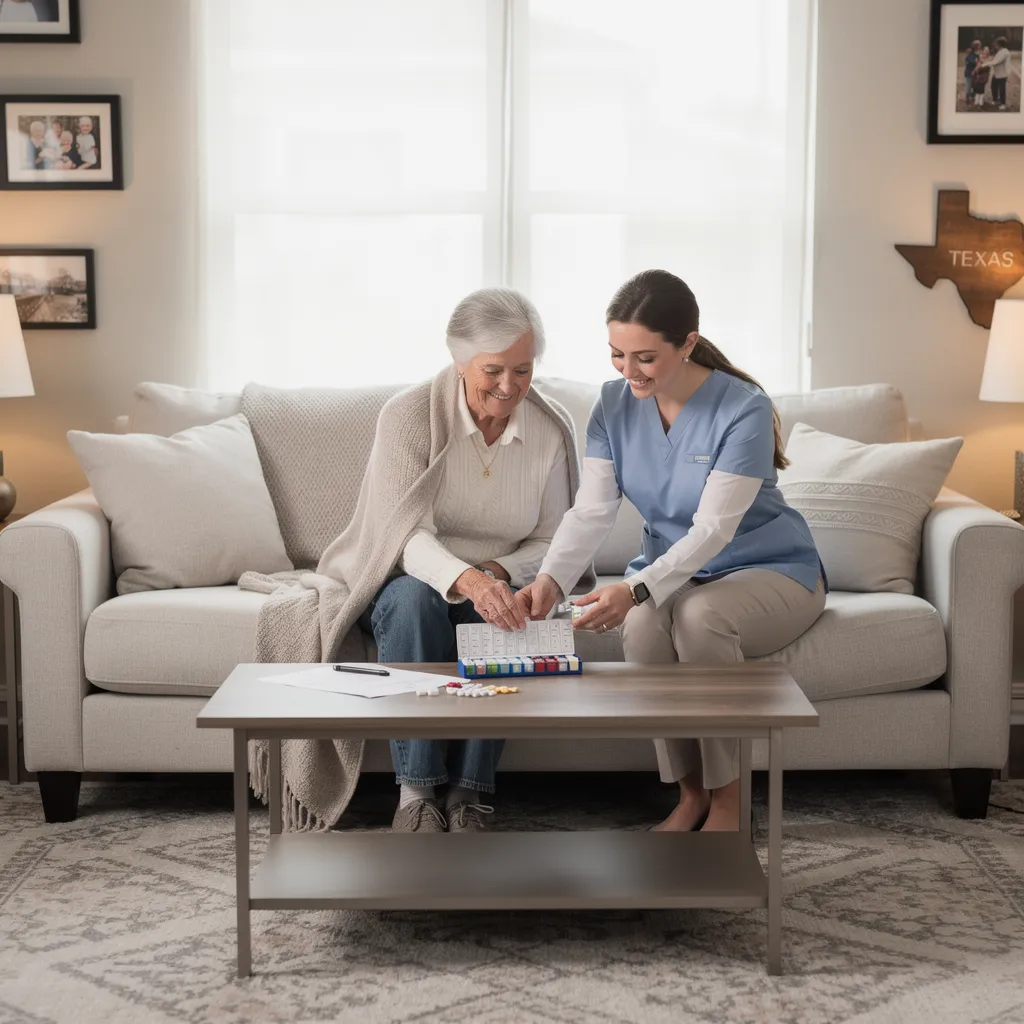

When it comes to What Challenges Might We Face When Transitioning to in-Home Care Services?, family caregivers commonly struggle with guilt over relinquishing hands-on duties, sibling disagreements about care decisions, and uncertainty about caregiver qualifications. Emotional loss and role reversal add strain, mirroring findings from qualitative studies on eldercare transitions. 1 Mission Home Care addresses these concerns through a free in-home assessment and THHS certified caregivers supervised by registered nurses. 1Missionhomecare.Com
Why Does This Transition Feel So Overwhelming?
Home care changes ripple through the entire family, not just the aging parent receiving help. What challenges might we face when transitioning to in-home care services often starts with this ripple effect: schedules shift, roles blur, and old family dynamics resurface under new pressure. The senior isn’t the only one adjusting; siblings, spouses, and adult children all feel the strain differently.
Guilt and relief tend to arrive together, and that combination catches many families off guard. An adult child might feel grateful for extra support while quietly wondering if bringing in outside help means failing a parent somehow. Meanwhile, the parent may resist the idea entirely, fearing a loss of independence or discomfort with an unfamiliar caregiver in the house.
Why do families feel guilty about hiring outside help?
Guilt often stems from a belief that family should be able to handle everything alone. Relief and guilt rarely cancel each other out; they coexist, which makes the emotional load heavier than expected.
Can this transition ever feel positive?
Yes. Thoughtful planning and honest conversations about fears. Expectations help turn a stressful shift into a workable, even reassuring, new routine. Families who name the emotions early tend to adjust faster.
1 Mission Home Care built its approach around this exact tension. The agency was founded to help seniors remain in their own homes as long as possible, recognizing that staying put often matters as much emotionally as it does physically. That founding purpose acknowledges what families already sense: the goal isn’t just managing tasks, it’s protecting a parent’s sense of home while easing the family’s emotional burden along the way.

Will Mom or Dad Resist Losing Independence?
Resistance is common, and it usually stems from fear, not stubbornness. Aging parents often feel real anxiety about losing independence or having an unfamiliar caregiver inside their home. That fear rarely fades through logic or reassurance alone; it fades through a process that puts the parent’s preferences first.
1 Mission Home Care addresses this concern before a single care hour begins. Every relationship starts with a free in-home assessment designed to identify the specific needs of the family member, conducted in the comfort of the parent’s own home. 1Missionhomecare.Com This step matters because it signals respect rather than takeover.
From there, the agency builds a personalized care plan matched to a compatible caregiver, not a generic package assigned by default. The parent’s habits, preferences, and daily rhythm shape the plan, and the caregiver is selected to fit that person specifically. This matching process softens the sense of intrusion many seniors dread.
Why does one-on-one care reduce resistance?
One-on-one care keeps the parent’s routine intact instead of replacing it. A caregiver adapts to the household’s existing schedule, meals, and preferences rather than imposing a new structure. Seniors tend to feel more in control when care fits their life, not the other way around.
What can families do to ease the first few visits?
Families ease early resistance by involving the parent in every planning conversation. Letting Mom or Dad help choose caregiver personality traits or daily preferences builds a sense of ownership.
- Include the parent in the initial assessment conversation
- Ask about specific routines the caregiver should respect
- Start with shorter visits before increasing hours
- Revisit the care plan as comfort grows
Independence, framed this way, doesn’t disappear. It simply gets support.

How Do Families Decide Together Without Conflict?
Siblings rarely agree on the first try. One study of family caregivers found that the choice to bring in outside help is usually made jointly among relatives. That shared responsibility often stirs up conflicting emotions and competing opinions rather than smoothing them over. One sibling might push for immediate help; another may resist, worried about cost or a parent’s independence. That tension is normal, not a sign the family is failing.
Qualitative research examining how families move a parent toward outside care identified eight distinct themes, grouped under three broader categories: the decision process itself, conflicting emotions, and the aftermath of the choice. The pattern suggests disagreement isn’t a detour from the process. It’s a built-in stage most families pass through before reaching consensus.
Why do siblings disagree about hiring in-home care?
Adult children often carry different memories, different guilt, and different amounts of daily contact with the aging parent. The sibling living nearby may feel overwhelmed and ready for support. A sibling living farther away may feel sidelined or defensive about the suggestion. Neither reaction is wrong — they simply reflect uneven caregiving loads.
How can families reduce that tension?
Bringing in a neutral, family-oriented partner can help. 1 Mission Home Care is locally owned and operated, which gives siblings a familiar, community-rooted option to evaluate together rather than a distant corporate call center. Its approach centers on one family helping another, framing the caregiver relationship as support rather than intrusion. That framing often lowers defensiveness during sibling discussions, since no one has to “win” the argument. The goal becomes finding care that respects the parent’s home and routine.

Who Actually Provides the Hands-On Care?
Trained caregivers deliver daily hands-on support, and registered nurses supervise their work at 1 Mission Home Care. That structure matters because What Challenges Might We Face When Transitioning to in-Home Care Services often centers on one nagging worry: who is actually walking through the front door. Families handing off bathing, medication reminders, and mobility assistance want proof the person is qualified, not just available.
Every caregiver on staff is THHS certified, meaning each one has met formal training standards recognized within Texas home care. Certification alone doesn’t answer every question families have, though. Adult children still ask about consistency, oversight, and what happens if a parent’s needs shift unexpectedly.
Is There Clinical Oversight, Not Just a Caregiver?
Yes. Registered nurses lead and supervise every caregiver assignment at 1 Mission Home Care. That layer of clinical oversight gives families a professional to call when symptoms change or a care plan needs adjusting, rather than leaving decisions solely to an aide.
What Happens When a Parent’s Care Needs Change?
Needs rarely stay static. A parent who starts with light companionship may eventually need memory support. The agency’s full continuum of care spans:
- Companion care for social engagement and daily supervision
- Personal care for bathing, dressing, and hygiene
- Specialized Alzheimer’s and dementia care for cognitive decline
Because one provider covers that entire range, families avoid the disruption of switching agencies mid-crisis. That continuity — same organizational structure, same nursing supervision — often matters more to families than any single caregiver’s résumé.
What Challenges Might We Face When Transitioning to in-Home Care Services?
Families face emotional resistance, scheduling adjustments, and uncertainty about what daily support will look like once transitioning to in-home care services begins. Home care lets an aging parent keep independence while getting the help daily tasks require. That shift often feels disruptive at first. A parent accustomed to managing alone may resist a stranger’s help in the house. Siblings may disagree about timing or scope of care. Recognizing these friction points early makes the whole process steadier for everyone involved.
Awareness matters more than most families expect. Understanding the common obstacles ahead of time helps a family move through the transition with far less confusion and fewer last-minute scrambles. Typical friction points include:
- Emotional pushback from the parent over losing autonomy
- Disagreement among siblings about the right level of care
- Discomfort with a new caregiver’s presence in the home
- Uncertainty about which daily tasks actually need support
How does 1 Mission Home Care help families through this shift?
Questions rarely arrive on a convenient schedule. 1 Mission Home Care keeps phone lines open around the clock. A worried adult child can call at 2 a.m. or during a Tuesday lunch break and still reach someone. That constant availability removes one layer of stress from an already heavy decision.
What’s the first concrete step toward easing the transition?
A free in-home assessment gives families a clear, practical starting point instead of guesswork. Rather than debating hypotheticals around the kitchen table, 1 Mission Home Care sends someone to evaluate the actual home, the actual needs, and the actual daily routine. That assessment turns abstract worry into a specific, workable plan.
Frequently Asked Questions
What is the biggest challenge families face when transitioning to in-home care?
Emotional adjustment tends to be the biggest hurdle. Guilt over bringing in outside help, a parent’s resistance to losing independence, and sibling disagreements about care decisions often outweigh the logistical challenges. Recognizing these emotional friction points early helps families move through the transition with less conflict.
How do I convince my parent to accept in-home care?
Involve the parent in every planning conversation rather than presenting care as a decision already made. Starting with a free in-home assessment, letting the parent help shape the care plan, and beginning with shorter visits before increasing hours all help ease resistance and preserve a sense of control.
How do siblings agree on the right level of care for a parent?
Disagreement among siblings is a normal stage most families pass through, not a sign of failure. Working with a locally owned, family-oriented provider like 1 Mission Home Care can lower defensiveness, since the focus shifts to finding care that respects the parent’s home and routine rather than any one sibling “winning” the discussion.
Are in-home caregivers qualified and supervised?
Yes. 1 Mission Home Care’s caregivers are THHS certified, meeting formal training standards recognized within Texas home care, and registered nurses supervise every caregiver assignment. That clinical oversight gives families a professional to call whenever symptoms change or a care plan needs adjusting.
What happens if my parent’s care needs change over time?
Because 1 Mission Home Care offers a full continuum of care — from companion care to personal care to specialized Alzheimer’s and dementia care — families can adjust the level of support without switching agencies. That continuity of nursing supervision and organizational structure reduces disruption during a crisis.
What’s the first step to starting in-home care for a parent?
A free in-home assessment is the practical starting point. Rather than debating hypotheticals, 1 Mission Home Care evaluates the actual home, needs, and daily routine in person, turning abstract worry into a specific, workable care plan.
Conclusion
Transitioning to in-home care rarely unfolds as a single clean decision. It’s a process layered with guilt, relief, sibling disagreement, and a parent’s fear of losing independence — emotions that surface alongside the practical questions about who provides care and whether that care can adapt as needs change. Naming these friction points early, rather than avoiding them, tends to make the shift steadier for everyone involved.
What eases the transition isn’t a single conversation but a series of small steps: a free in-home assessment, a care plan built around the parent’s actual routine, and consistent, nurse-supervised caregivers who can grow with a family’s needs over time. Families who lean into that process, rather than trying to resolve every worry upfront, generally find that in-home care becomes less about losing control and more about gaining support.




 Copyright © All rights reserved