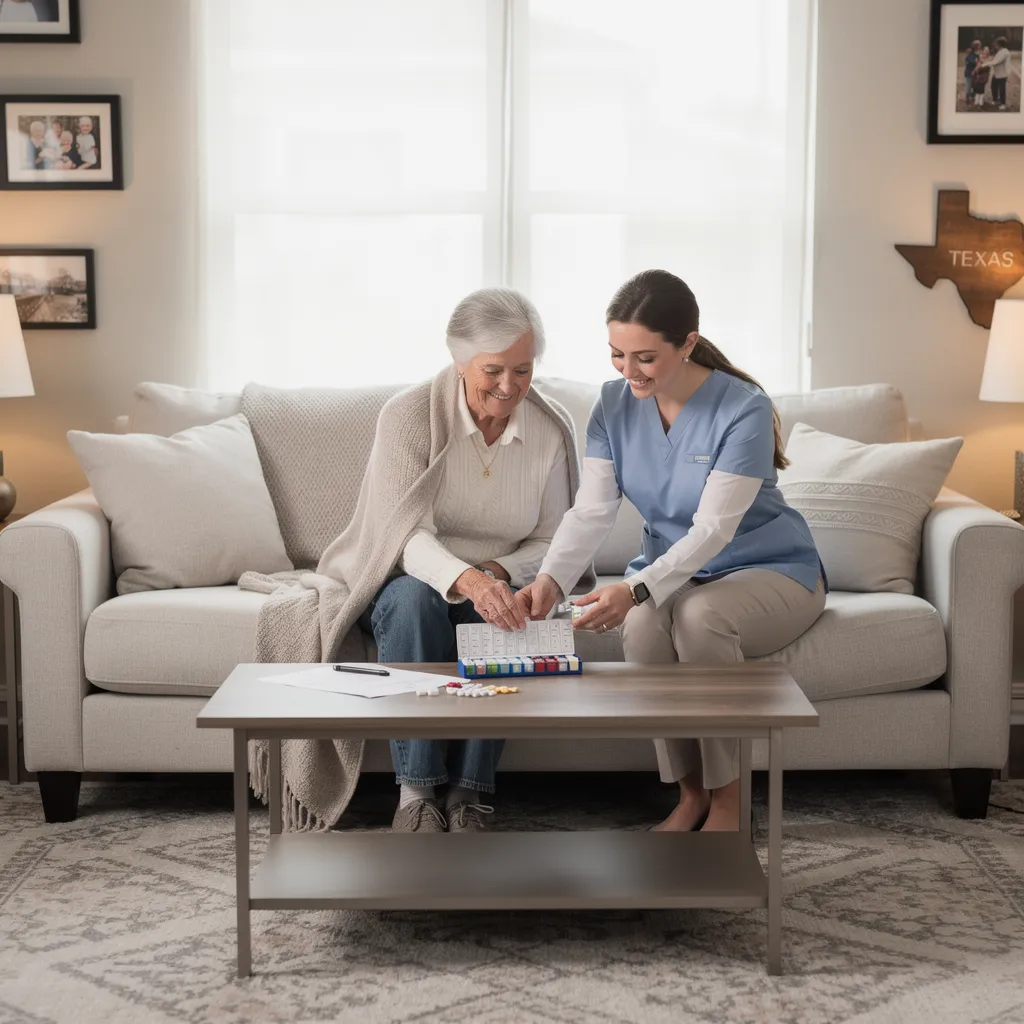
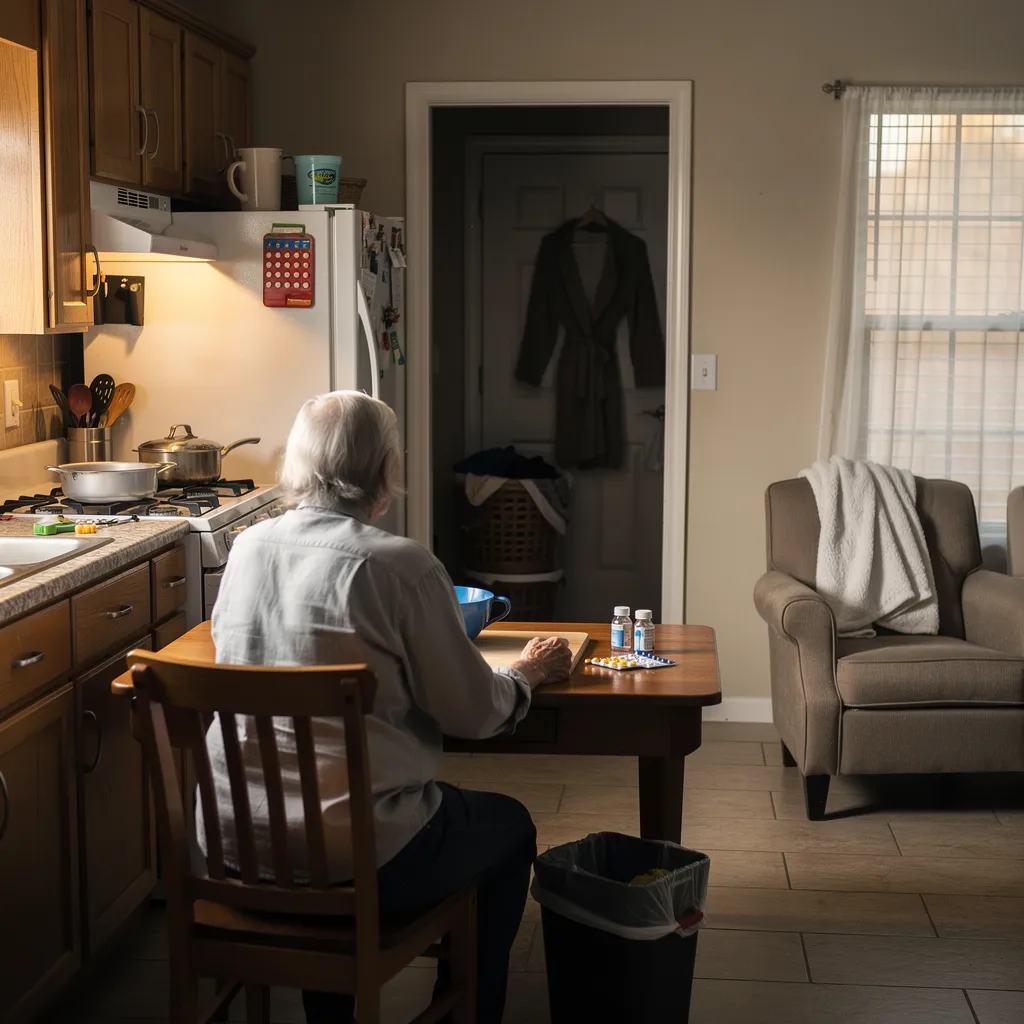
Warning signs at home include neglected hygiene, missed medications, social withdrawal, and struggles with cooking or cleaning. These changes signal a growing need for companion care. 1 Mission Home Care, serving McKinney, Plano, and surrounding communities, sends 100% THHS-certified caregivers to assess needs and restore safety, connection, and daily quality of life.
What Early Signs Suggest It’s Time for Help?
Aging brings predictable changes. Families often struggle to answer the question, how do I know if my loved one needs companion care at home? Recognizing the shift from independence to needed support rarely happens overnight. Small signals build up gradually, and by the time a crisis hits, safety and dignity are already at risk.
A neglected kitchen, missed medications, or a home that feels less cared-for than it used to are common red flags. So is a loved one who seems withdrawn, skips regular meals, or avoids leaving the house altogether. None of these signs alone confirms a problem, but together they paint a clearer picture.
What behaviors indicate a loved one needs extra support at home?
Watch for patterns rather than isolated incidents. The following changes often signal that additional help would benefit a senior living at home:
- Difficulty preparing meals or maintaining basic hygiene
- Increased isolation or noticeable withdrawal from family and friends
- Missed medical appointments or medication mix-ups
- A home environment that has grown cluttered or unsafe
- Sudden mood changes, confusion, or memory lapses
Bringing a caregiver into the home addresses these concerns directly. Trained support keeps a loved one safer, restores companionship, and improves day-to-day quality of life without uprooting them from familiar surroundings.
Does home care mean giving up independence?
Not at all. Home care delivers personalized assistance so a senior keeps living independently while getting help exactly where it’s needed most, inside the comfort of home. Support can flex from a few hours a week to daily visits as circumstances change.
1 Mission Home Care builds a personalized, comprehensive plan around each family’s situation. Every arrangement centers on compassionate, high-quality support tailored to the individual, not a generic checklist. That approach lets families feel confident their loved one is safe, respected, and never facing these changes alone.
Is Loneliness Putting Your Loved One at Risk?
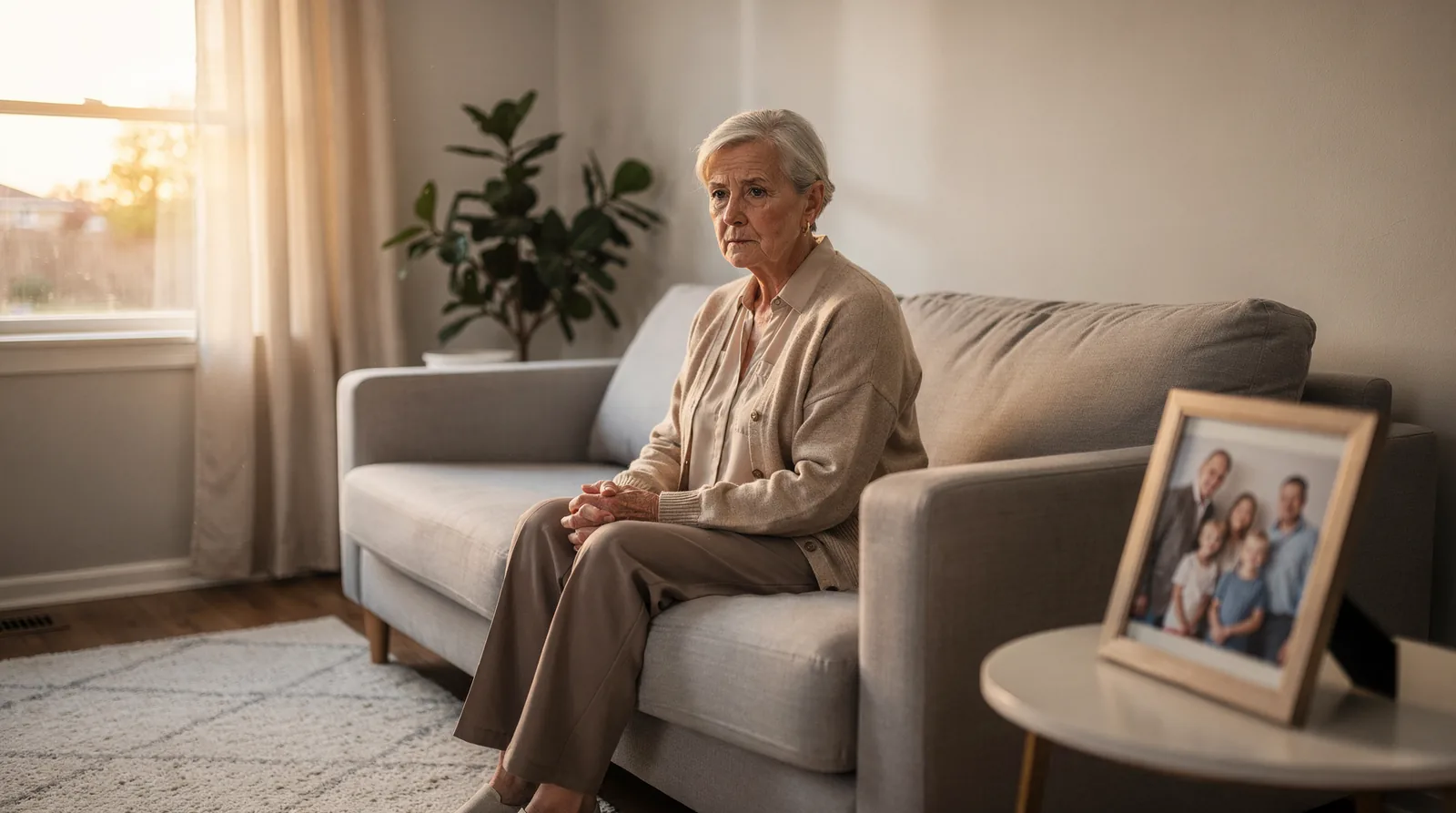
Loneliness poses a serious risk to aging adults living at home, often hiding behind a fierce sense of independence. Many older adults value staying in their own homes and resist outside help, even as isolation quietly builds. That resistance can mask a growing problem long before family members notice.
Emotional and mental well-being depend heavily on regular social interaction. Seniors who live alone, or who have limited chances to socialize, face a higher risk of loneliness and isolation. More than 12 million older Americans currently live alone, a reality that raises the odds of isolation going unnoticed for weeks or months.
How can family caregivers tell if a parent is lonely, not just quiet?
Quiet moments differ from chronic withdrawal. Watch for repeated cancellations of visits, a shrinking circle of friends, or a home phone that rarely gets answered. These patterns often signal more than a simple preference for solitude.
Recognizing the answer to how do I know if my loved one needs companion care at home starts with watching for these warning signs:
- Fewer phone calls or visits with friends and neighbors
- Skipping meals or activities once enjoyed with others
- Vague, apartment responses when asked about daily life
- Long stretches of time alone with no outside contact
Companion caregivers address these gaps directly. They offer meaningful conversation, steady emotional support, and consistent companionship, helping seniors stay connected and engaged inside the home they know best. For families weighing next steps, that connection often makes the difference between quiet decline and a life still full of purpose.

Are Daily Tasks Becoming a Daily Struggle?
Struggling with dressing, cooking, or using the bathroom often signals that a senior needs assistance. Small slips in routine hygiene, meal prep, or housekeeping rarely happen overnight. They build slowly, one missed step at a time. Families frequently ask how do they know if a loved one needs companion care at home. The answer usually starts with watching daily routines closely.
Neglected hygiene deserves particular attention. A senior who skips bathing, wears the same clothes for days, or stops grooming may be signaling more than forgetfulness. These lapses often trace back to mobility limitations, low energy, or early cognitive decline rather than simple carelessness.
What everyday tasks tend to slip first?
Meal preparation, light housekeeping, and medication organization are usually the first activities to suffer. Errands that once took an hour can stretch into an afternoon, or get skipped altogether. These changes rarely announce themselves loudly, so relatives should look for patterns rather than isolated incidents.
Common warning signs include:
- Skipped meals or spoiled food left in the refrigerator
- Unwashed dishes, clutter, or unopened mail piling up
- Medications taken incorrectly or not at all
- Wearing soiled clothing or avoiding baths
- Missed appointments or forgotten errands
Why do these tasks get harder with age?
Physical decline, fatigue, and memory changes each play a role, often at the same time. A senior managing one condition may cope fine; managing several at once becomes exhausting fast.
1 Mission Home Care addresses these struggles directly. Every client receives a full continuum of care, delivered by caregivers who hold THHS certification and work under registered nurse supervision, restoring structure to daily life without uprooting a senior from home.
Could Safety Hazards Be a Warning Sign?
Yes — frequent falls, unsteady steps on the stairs, or a wobbly gait are red flags that a loved one’s safety at home is slipping. These moments rarely happen just once. A single stumble in the kitchen or a near-miss on the stairway often signals a pattern that will repeat without support in place.
Family caregivers sometimes assume their loved one needs full-time nursing care, but that’s rarely the reality. Many older adults don’t require the round-the-clock services of a skilled nursing facility or even regular visits from a clinical nurse. What they need instead is steady, hands-on assistance with everyday parts of home life. Help that keeps them safe without stripping away their independence.
How can families spot safety risks they can’t see in person?
Video calls and phone check-ins can’t catch everything. A loved one who seems fine on a screen may be masking mobility struggles or hiding evidence of a recent fall. Relying on technology for birthdays and vacation chats has created real gaps in face-to-face contact, leaving families unaware of hazards building up in the home.
Signs worth watching for include:
- Unexplained bruises or injuries
- Furniture rearranged to create makeshift support along walls
- Avoidance of stairs or certain rooms
- Reluctance to walk without holding onto something
Companion care at home addresses these risks directly through consistent, in-person presence. 1 Mission Home Care supports clients with personal care, respite care, and senior transportation, giving families a trained set of eyes on daily safety and helping loved ones maintain independence without unnecessary risk.
How Should You Start the Conversation About Care?
Honesty and patience open the door to a productive conversation about care. Adult children and family caregivers wondering how do I know if my loved one needs companion care at home should begin by naming specific observations, not vague worries. Older adults often respond better to concrete examples than general concern.
Timing and tone matter as much as the words chosen. Frustration or embarrassment frequently causes older adults to hide their struggles, especially when they fear losing their independence or leaving a home they love. Approaching the topic with warmth, rather than correction, reduces defensiveness and keeps the door open for future discussion.
Why Do Seniors Hide Their Struggles?
Pride plays a bigger role than most families expect. Many seniors mask difficulty with cooking, dressing, or bathing because admitting the need for help feels like admitting decline. Framing companion care as support for staying home longer, not a loss of autonomy, often eases that resistance.
What Does a Home Health Aide Actually Do?
A home health aide assists with daily routines while a senior remains in familiar, comfortable surroundings. This reassurance often calms fears that accepting help means leaving home.
Once the conversation opens, families benefit from having a plan ready to discuss:
- Naming specific, recent observations rather than general concerns
- Emphasizing comfort and staying home, not restriction
- Inviting the senior into decision-making from the start
1 Mission Home Care supports these conversations with a free in-home assessment designed to identify a family member’s specific needs before any plan begins. Dedicated to kindness, integrity, and excellence, the agency treats every client with respect and dignified, compassionate care.
Frequently Asked Questions
How do I know if my loved one needs companion care at home?
Watch for a pattern of changes rather than a single incident: neglected hygiene, missed medications, a cluttered or unsafe home, social withdrawal, and skipped meals. Together these signs suggest daily life has become harder to manage alone and that in-home support would help.
What’s the difference between companion care and personal care?
Companion care focuses on connection and daily support, things like conversation, meal prep, light housekeeping, and transportation, while personal care includes hands-on help with tasks like bathing, dressing, and mobility. Many seniors benefit from a blend of both, and 1 Mission Home Care builds each plan around the individual’s actual needs.
Will home care take away my loved one’s independence?
No. Home care is designed to preserve independence, not replace it. Support can range from a few hours a week to daily visits, giving seniors help exactly where they need it while they continue living in the comfort of their own home.
How does loneliness affect a senior’s health?
Loneliness can quietly erode emotional and mental well-being, and it often hides behind a strong desire to stay independent. Seniors living alone face a higher risk of isolation going unnoticed, which is why regular companionship and social interaction are such an important part of home care.
What should I expect from a home care assessment?
1 Mission Home Care offers a free in-home assessment to identify a family member’s specific needs before any plan begins. Caregivers are THHS-certified and work under registered nurse supervision, so families can feel confident the plan reflects both safety and compassionate, personalized care.
Conclusion
In closing, recognizing the signs that your loved one needs companion care represents an important step toward ensuring their continued independence and well-being at home. At 1 Mission Home Care, we understand that every senior’s situation is unique, which is why we provide personalized care plans developed through a free in-home assessment. Our compassionate, certified caregivers work alongside registered nurses to deliver the support your loved one deserves, allowing them to age with dignity in the comfort of their own home.



 Copyright © All rights reserved