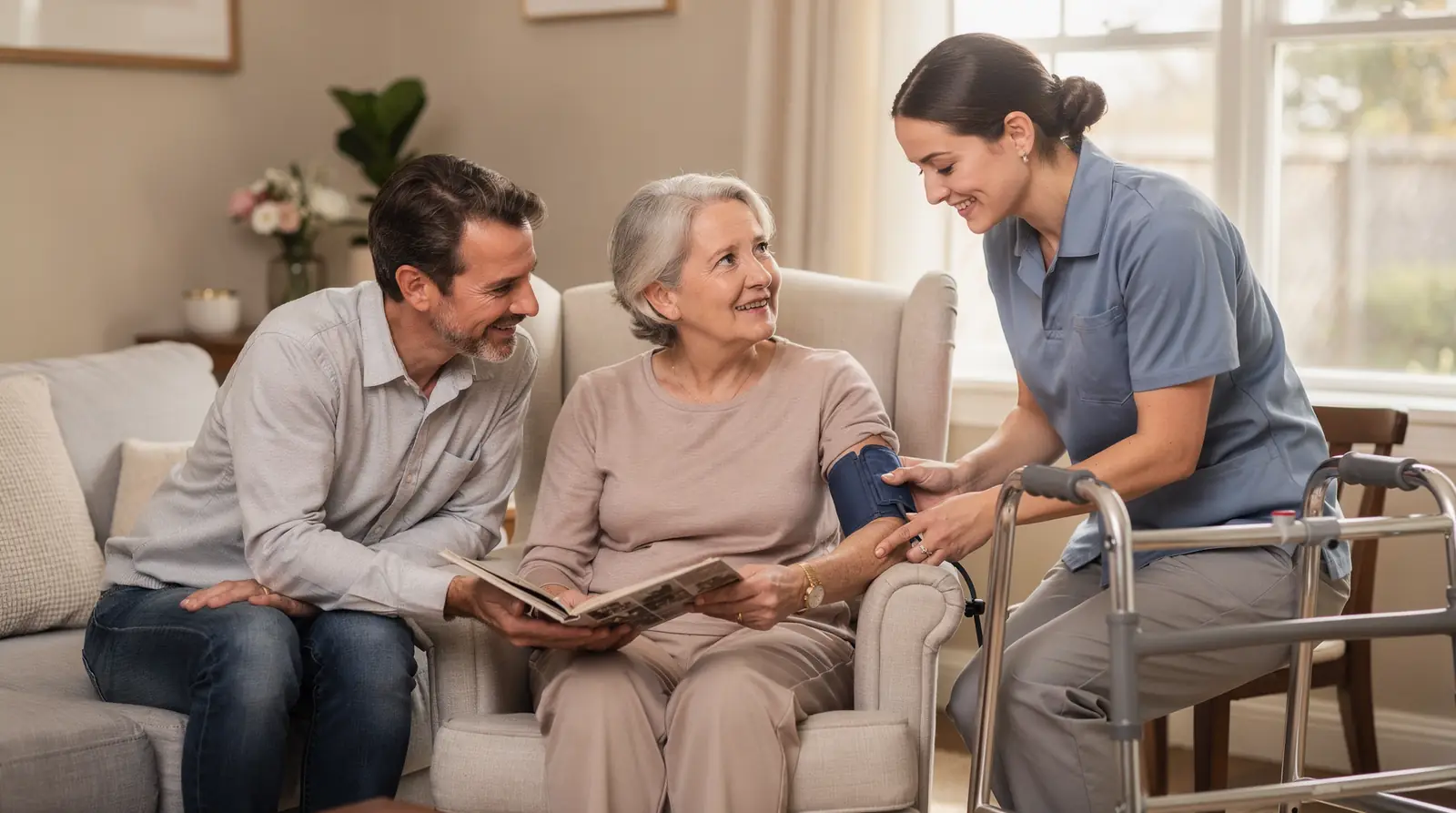
When it comes to What Should I Consider When Choosing in-Home Companion Care Services?, key factors include caregiver qualifications, personalized care planning, and supervisory oversight. Families should verify certifications, such as 100% THHS-certified caregivers working under registered nurse supervision, confirm services match evolving needs from companion care to Alzheimer’s care, and request a free in-home assessment before committing to any provider.
Why Does Choosing the Right Companion Matter?
The right companion determines whether a senior thrives at home or struggles through daily life alone. Choosing in-home companion care services shapes emotional well-being, physical safety, and independence for aging family members. A poor match leaves seniors isolated, unmotivated, and at higher risk of decline. A well-suited companion restores structure and connection to everyday routines.
Companion care delivers far more than supervision. Trained companions provide emotional, social, and practical support, covering tasks such as:
- Meal preparation and light housekeeping
- Shared activities and conversation
- Transportation and errands
- Encouragement toward hobbies and social engagement
These services build a foundation for quality of life that goes beyond basic safety checks.
Why Do Most Seniors Prefer Staying Home?
Seventy-seven percent of older Americans want to age in place rather than relocate to a facility. That preference carries weight. Home represents familiarity, routine, and dignity — three things a well-chosen companion helps preserve rather than disrupt.
What Happens When Families Skip This Step?
Families who rush the selection process risk mismatched personalities, inconsistent care, and eroded trust. 1 Mission Home Care was founded on the belief that seniors deserve to remain in their own homes for as long as possible. Getting the companion choice right protects that goal from the very first visit.
What’s the Difference Between a Companion and Caregiver?
A companion focuses on social interaction, light household tasks, and emotional support, with no medical training required. A caregiver, by contrast, handles hands-on personal care — bathing, dressing, medication reminders — and typically holds certification as a CNA or HHA. The distinction matters when families weigh options for in-home companion care services. Each role addresses a different level of need.
| Role | Core Focus | Training Required |
|---|---|---|
| Companion | Social interaction, light household help, emotional support | None |
| Caregiver | Personal care, hygiene, medication assistance | Often certified (CNA/HHA) |
Families of independent seniors who mainly need friendship, conversation, and help with errands typically start with companion support. Households facing physical decline, chronic illness, or memory loss usually need the trained hands of a certified caregiver.
Can one agency provide both companion and caregiver services?
Yes — 1 Mission Home Care structures its offerings as a full continuum of care, spanning companion services through Alzheimer’s care under a single agency. This continuum means families do not need to switch providers as needs change over time. A senior who begins with light companion visits can transition to hands-on personal care without disrupting an established relationship or routine.
Which option costs less, a companion or a caregiver?
Costs vary by provider and by the scope of services required. Families should request a direct quote rather than assume one option is cheaper. What matters most is matching the level of support to the senior’s actual daily needs. Overpaying for unnecessary medical-level care, or underpaying and leaving a vulnerable senior without proper supervision, both carry real risks worth avoiding.

How Do Caregiver Qualifications Affect Care Quality?
Caregiver credentials determine whether a senior receives safe, consistent support or inconsistent, unverified assistance. Families evaluating in-home companion care services should treat qualifications as a non-negotiable checkpoint, not a minor detail. Weak vetting standards leave seniors vulnerable to poorly trained help and preventable safety gaps at home.
1 Mission Home Care addresses this risk directly. Every caregiver on staff holds THHS certification, meaning 100% of the team meets this recognized training standard before entering a client’s home. That baseline removes guesswork for families who otherwise have no way to confirm a stranger’s competence.
Certification alone doesn’t guarantee quality care, though. Oversight matters just as much.
Why does nurse oversight matter for companion care?
Registered nurses supervise every caregiver’s work at 1 Mission Home Care, adding a clinical layer of accountability above basic certification. This structure catches inconsistencies early and keeps care plans aligned with each senior’s actual needs. Families gain a second set of trained eyes watching over daily care, not just a caregiver working alone.
What keeps caregiver skills sharp over time?
Skills fade without reinforcement, which is why ongoing training stays central to the agency’s approach. Caregivers continue developing their abilities well past initial certification, supported by an agency culture built on community relationships and shared accountability. This commitment to continuous improvement, paired with nurse-led supervision, gives families a fuller picture of quality than a single credential ever could:
- THHS certification across the entire caregiving staff
- Registered nurse supervision on every case
- Continuous training tied to community-focused standards
Together, these elements shape whether care quality holds steady over months and years.

What Should I Consider When Choosing In-Home Companion Care Services?
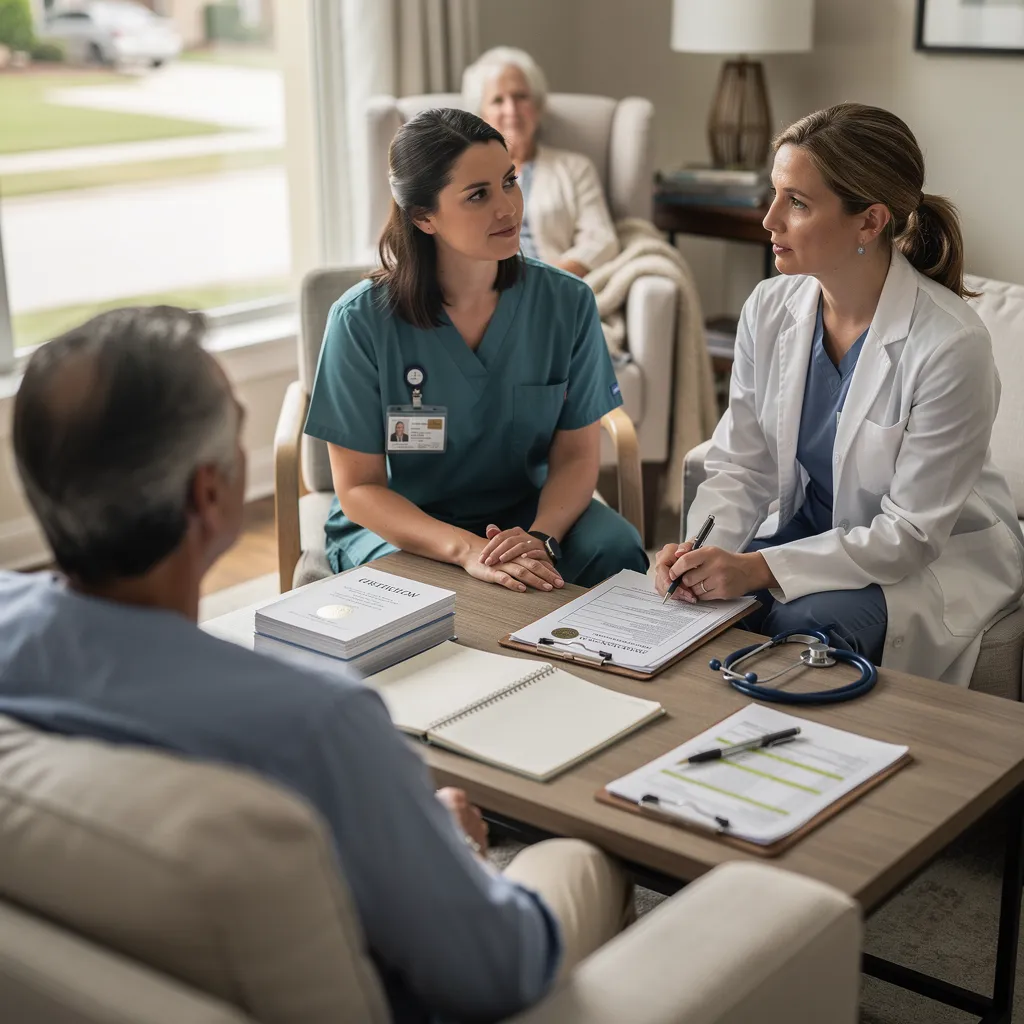
Families evaluating in-home companion care services should start with an honest look at daily needs, not a list of providers. A free in-home assessment identifies the specific challenges a parent or spouse faces, from meal preparation gaps to safety concerns around the house. Skipping this step leaves families guessing, and guesswork often leads to mismatched care that fails within weeks.
An assessment does more than gather information. It becomes the foundation for a care plan built around the individual, matching daily routines, personality, and health needs with a caregiver suited to that specific household. Families who request this evaluation before committing to a provider gain clarity that generic brochures never provide.
What makes an assessment worth requesting?
An in-home assessment matters because it uncovers needs a phone call cannot reveal. Observing a loved one’s home environment, mobility, and daily habits allows a provider to design a plan that fits real life, not a standard template.
How does a personalized approach change the outcome?
A personalized approach shapes every part of the care experience, from caregiver selection to the pace of daily support. Providers that build care around individual needs consistently deliver higher-quality, more compassionate assistance than those offering one-size-fits-all packages.
Families comparing providers should weigh a few core factors before signing on:
- Assessment process – Does the provider offer a no-cost, in-home evaluation before care begins?
- Personalization – Is the resulting plan built specifically around the client, or adapted from a generic template?
- Caregiver matching – Does the provider pair clients with caregivers suited to their personality and needs?
- Comprehensive support – Can the provider adjust care as needs evolve over time?
1 Mission Home Care structures its process around these priorities. The comprehensive approach ensures every client receives compassionate, high-quality support tailored directly to individual circumstances, not a standardized package applied across every household.
How Does 1 Mission Ensure Dignified Care?
Dignity anchors every decision 1 Mission Home Care makes for clients and their families. Kindness, integrity, and excellence form the foundation of the agency’s approach to senior care, shaping how caregivers speak, listen, and assist with daily routines. Families evaluating in-home companion care services often worry about being treated as a task on a checklist rather than a person. That worry drives the agency’s warm, empathetic model, where every client receives respectful, dignified care rather than rushed assistance.
Three values anchor that promise:
- Kindness — caregivers approach each visit with patience and genuine warmth.
- Integrity — families receive honest guidance about care needs, not upselling.
- Excellence — service standards stay consistent across every client relationship.
What Makes 1 Mission Home Care Different From Other Agencies?
Community sets 1 Mission Home Care apart from larger, corporate providers. The agency cultivates a supportive, inclusive environment for clients and staff alike, treating caregivers as partners rather than contractors passing through. That culture matters because a caregiver who feels valued tends to bring more patience and consistency into a client’s home.
Locally owned and operated status reinforces that community connection. Decisions get made close to home, not filtered through a distant corporate office. For families weighing which agency deserves their trust, that local accountability offers real reassurance.
Can Families Reach 1 Mission Home Care Anytime?
Yes. Staff remain available around the clock to answer questions, day or night. A caregiving crisis rarely waits for business hours, and families deserve a responsive partner when concerns arise unexpectedly.
That combination — values-driven caregivers, a locally rooted team, and round-the-clock availability — gives families confidence that dignity isn’t a marketing phrase at 1 Mission Home Care. It’s the standard applied to every visit, every conversation, and every care plan built for a loved one.
Frequently Asked Questions
What’s the difference between a companion and a caregiver?
A companion focuses on social interaction, light household tasks, and emotional support, and requires no medical training. A caregiver handles hands-on personal care, such as bathing, dressing, and medication reminders, and typically holds certification as a CNA or HHA. Families should match the level of support to the senior’s actual daily needs.
How much does in-home companion care cost?
Costs vary by provider and by the scope of services required. Rather than assuming one option is cheaper, families should request a direct quote and focus on matching the right level of support to the senior’s needs, since both overpaying for unnecessary medical-level care and underpaying for insufficient supervision carry real risks.
Is the in-home care assessment really free?
Yes. 1 Mission Home Care offers a free in-home assessment before any commitment. This visit identifies specific challenges, such as meal preparation gaps or safety concerns around the house, and becomes the foundation for a personalized care plan built around the individual rather than a generic template.
Are 1 Mission Home Care caregivers certified and supervised?
Yes. Every caregiver on staff holds THHS certification, and registered nurses supervise every caregiver’s work to add a clinical layer of accountability. Ongoing training keeps skills sharp well past initial certification, giving families a fuller picture of quality than a single credential alone.
Can care needs change over time without switching agencies?
Yes. 1 Mission Home Care structures its offerings as a full continuum of care, spanning companion services through Alzheimer’s care under a single agency. A senior who starts with light companion visits can transition to hands-on personal care later without disrupting an established relationship or routine.
Conclusion
In closing, selecting the right in-home companion care service requires careful consideration of caregiver qualifications, personalized care planning, and the agency’s commitment to your loved one’s dignity and independence. 1 Mission Home Care embodies these essential qualities through our team of certified caregivers, individualized assessments, and family-oriented approach that prioritizes compassionate support. When you choose a provider dedicated to excellence. Respect, you invest in your senior’s ability to thrive at home with confidence and peace of mind.



 Copyright © All rights reserved