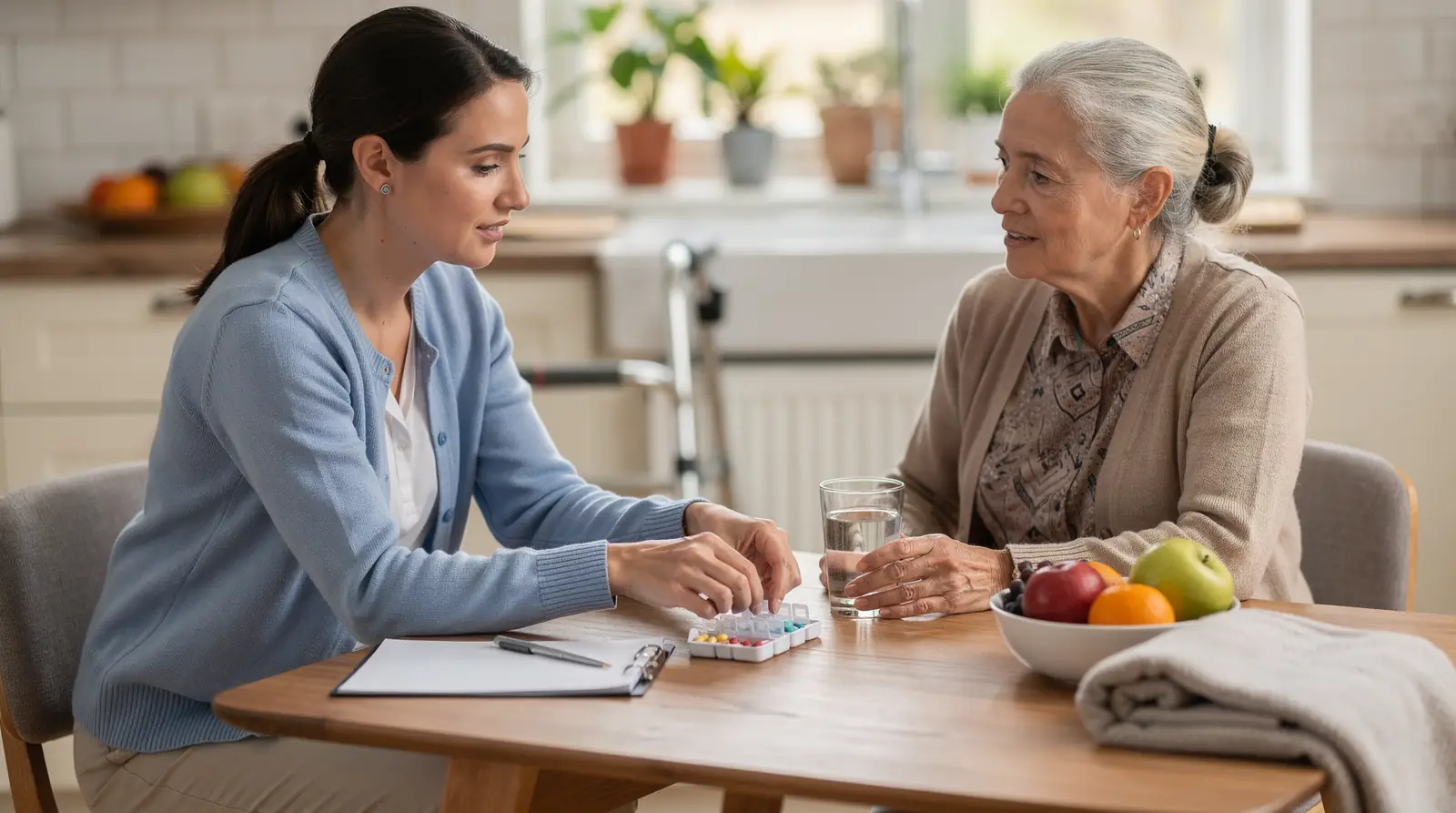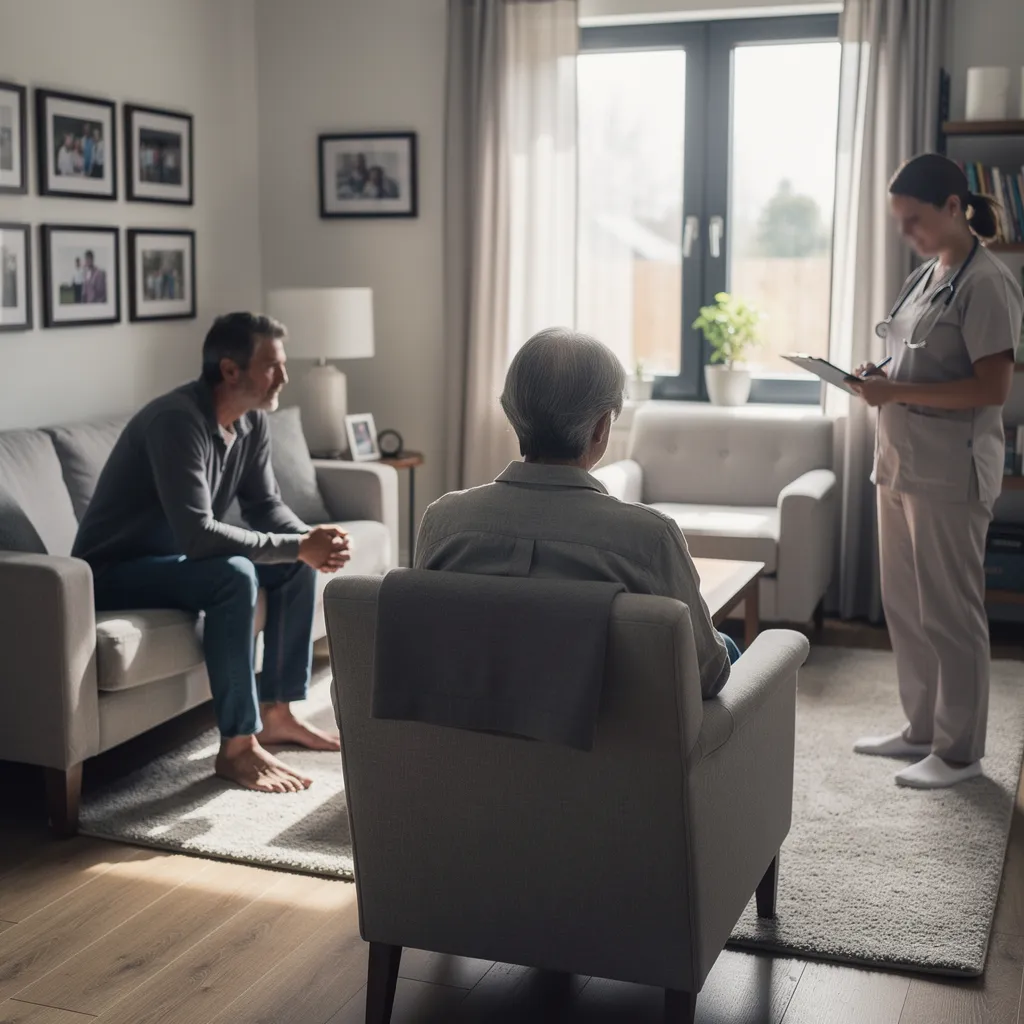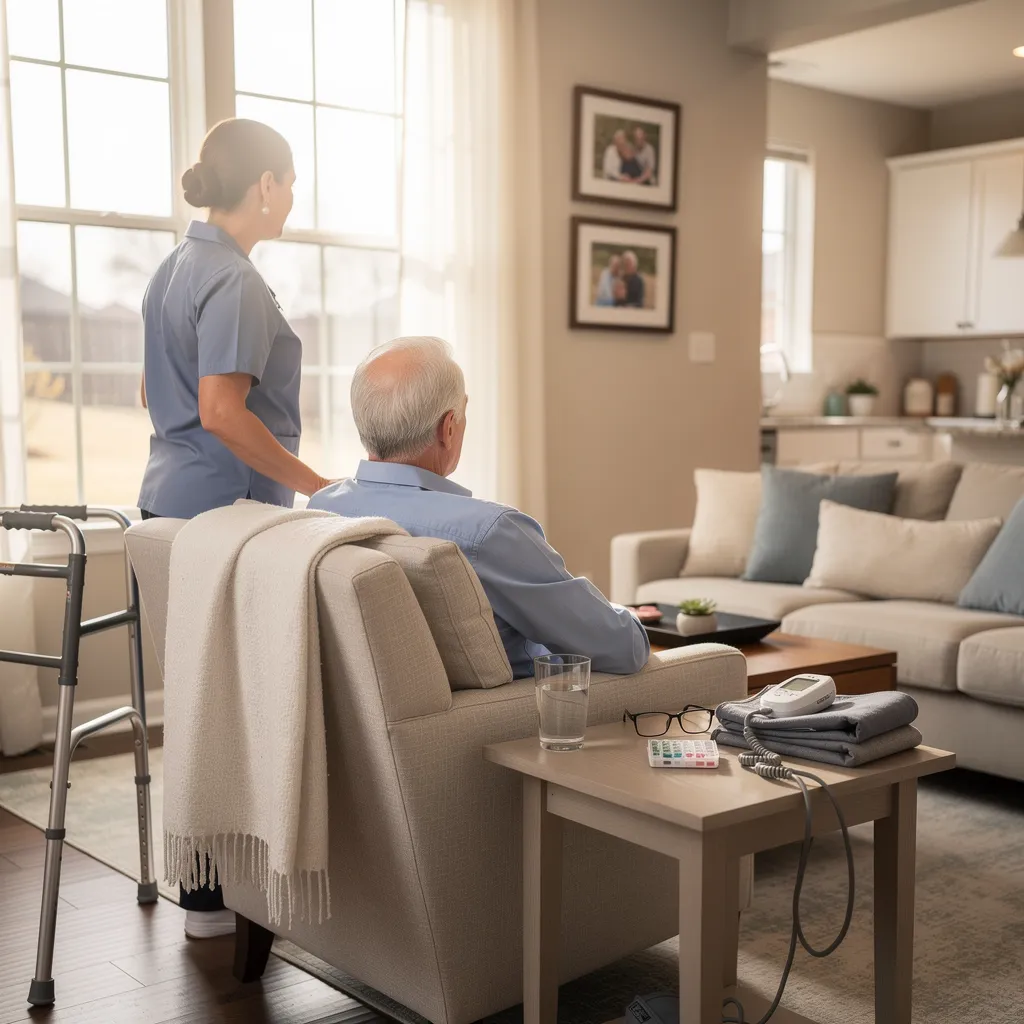
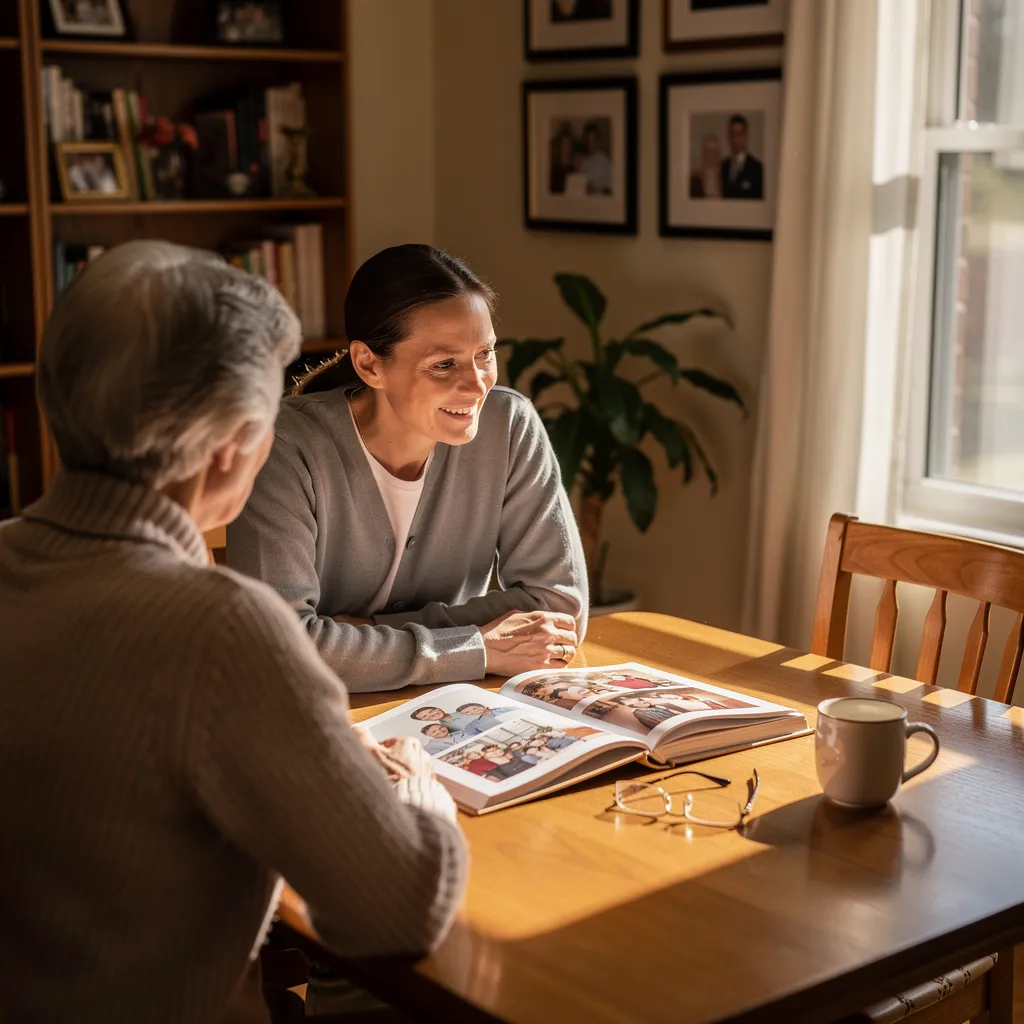
When it comes to In-Home Companionship Activities, companionship activities for seniors include conversation, shared hobbies, puzzles, music, light exercise, and outings that reduce isolation and support emotional health. 1 Mission Home Care pairs clients with 100% THHS certified caregivers, supervised by registered nurses, who tailor daily engagement to each senior’s personalized care plan following a free in-home assessment.
Why Does Companionship Matter for Seniors at Home?
Isolation quietly erodes an older adult’s health long before physical decline becomes obvious. 1 Mission Home Care was founded to help every senior remain in their own home for as long as possible. Steady human connection is central to that mission. Daily engagement isn’t a luxury add-on to home care. It’s a safeguard against the loneliness that can unravel a senior’s routine, appetite, and sense of purpose.
Family caregivers often carry the weight of noticing these changes first. An unkept household, poor nutrition, and withdrawal from friends or activities can all signal that a loved one is struggling with isolation. These warning signs deserve attention rather than dismissal, since loneliness rarely announces itself directly.
What are common signs a senior needs more social interaction?
Watch for a home that’s grown cluttered or neglected, meals that go untouched, and a loved one who stops calling friends or leaving the house. Any one of these signs alone may mean little, but together they often point to social isolation taking hold.
Why does 1 Mission Home Care emphasize family-style care?
The agency believes every senior deserves the kind of compassionate care that comes from family, not clinical routine. That philosophy shapes how caregivers approach in-home companionship activities, treating conversation, shared hobbies, and daily interaction as essential parts of care rather than optional extras.
Companionship, then, isn’t separate from caregiving — it’s the foundation underneath it. A senior who feels seen and engaged each day is far less likely to slide into the isolation that so often precedes bigger health setbacks.
What Activities Keep Seniors Socially and Mentally Engaged?
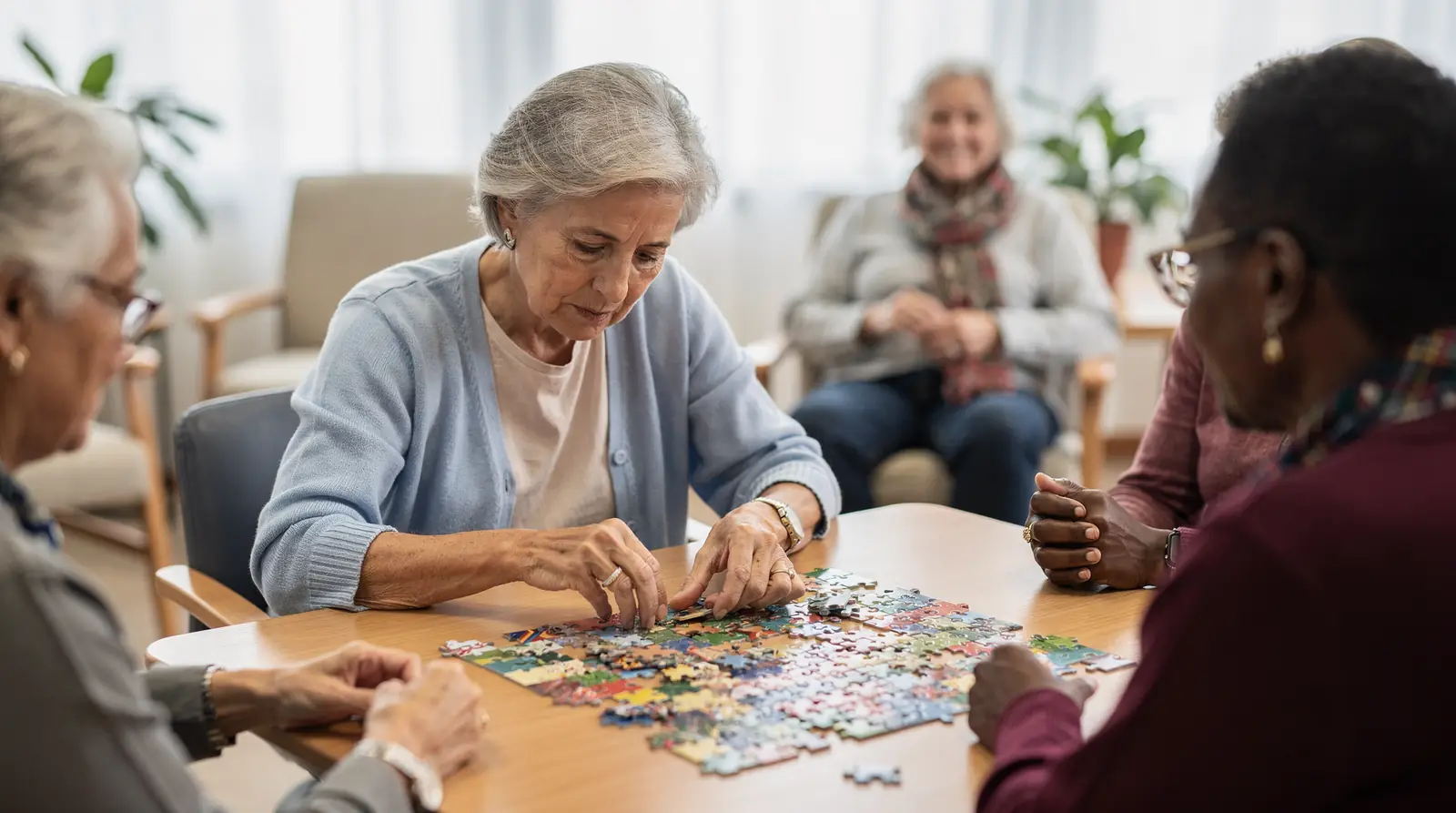
Structured in-home companionship activities keep older adults connected, curious, and cognitively sharp. Conversation, shared hobbies, and light physical movement combat isolation more effectively than passive entertainment alone. Seniors who engage regularly report stronger mood, sharper memory, and a renewed sense of purpose.
1 Mission Home Care builds activity plans around each client’s personality rather than a generic checklist. The agency’s personalized, comprehensive approach ensures support fits individual needs, from lifelong hobbies to newly discovered interests. A client who loved gardening decades ago, for instance, receives a plan that revives that passion instead of one designed for someone else’s preferences.
Meaningful engagement covers more than entertainment; it touches nearly every part of daily life:
- Personal care paired with light conversation and companionship
- Respite support that keeps routines and social habits consistent
- Senior transportation to community events, appointments, or visits with friends
- Transitional caregiving that maintains connection during major life changes
What Types of Activities Build Stronger Social Connections?
Creative projects, shared meals, and simple games build connection fastest. These activities offer more than a way to pass time. They provide a creative outlet, strengthen social bonds, and help seniors pick up new skills along the way. A weekly puzzle session or a cooking afternoon does double duty, sharpening the mind while easing loneliness.
How Does 1 Mission Home Care Personalize Activity Plans?
Every plan starts with a close look at the client’s interests, mobility, and personal history. From there, caregivers weave companionship into practical services — personal care, respite care, transportation, and transitional support — so engagement never feels like an added task. The result is a full continuum of care that protects independence while keeping seniors socially and mentally active, day after day.
How Can Physical Activities Fit Into Companion Care?
Movement forms a core piece of in-home companionship activities, pairing gentle exercise with the social connection seniors need most. Caregivers weave stretching, short walks, or seated exercises into everyday visits rather than treating fitness as a separate chore. This combination addresses both body and mood in a single visit.
Physical activity carries real protective value for older adults. According to the National Library of Medicine, regular movement acts as a protective factor against noncommunicable diseases, including cardiovascular disease, stroke, diabetes, certain cancers, and the onset of dementia. That protective effect makes movement one of the most valuable pieces of a senior’s daily routine, not just a pastime.
What kinds of physical activities work best for homebound seniors?
Caregivers tailor movement to each client’s ability and comfort level instead of pushing seniors toward routines from earlier decades. A few reliable options include:
- Seated stretching or chair yoga for joint mobility
- Short, supported walks around the home or yard
- Light balance exercises near stable furniture
- Simple resistance movements using household items
Does 1 Mission Home Care support physical activity during visits?
Yes. 1 Mission Home Care delivers a full continuum of care through caregivers who hold 100% THHS certification, all supervised by registered nurses. That structure means movement support isn’t guesswork; it’s part of a coordinated plan built around each client’s needs.
Families gain peace of mind knowing trained caregivers can adjust activity levels safely as a senior’s condition changes. Rather than a fixed exercise script, care plans stay flexible—matching pace, intensity, and duration to what feels manageable that day. The goal stays consistent: keep seniors moving, engaged, and comfortable in the home they know best.
What Makes Home Companion Care Different From Other Services?
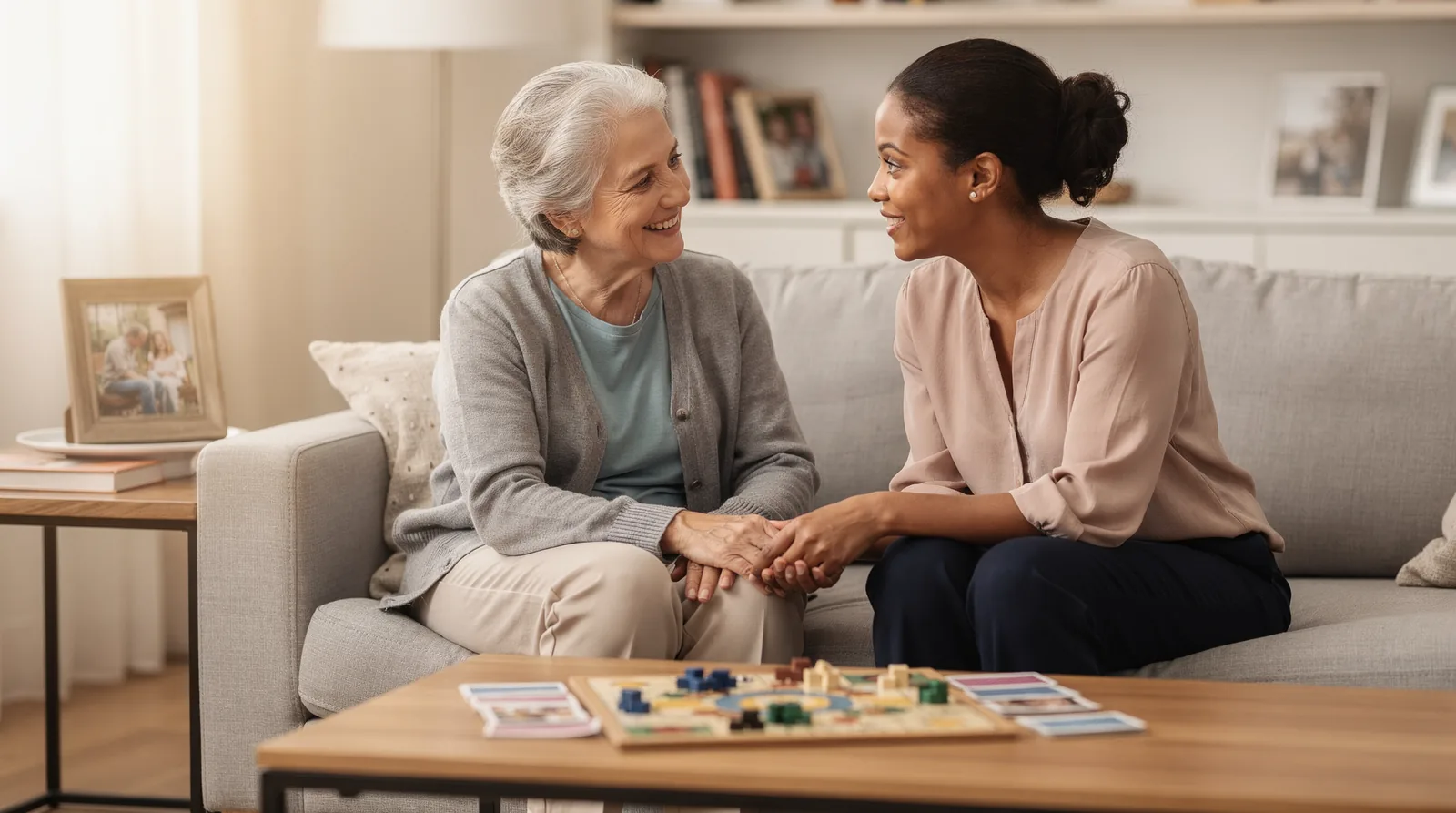
Fellowship separates companion care from purely medical or task-based services. In-home companionship activities focus on emotional support and socialization for older adults who live alone, rather than clinical treatment alone. Family caregivers researching options for a parent or spouse often discover that companionship, not medical intervention, addresses the loneliness that erodes health over time.
1 Mission Home Care builds its approach around kindness, integrity, and excellence. Every client receives respect and dignified care, delivered with warmth rather than a checklist mentality. This distinction matters most for families comparing agencies: some services stop at physical tasks. Others treat connection as central to well-being.
Is companion care the same as home health care?
No. Companion care centers on fellowship, conversation, and shared activities, while home health care involves medical services and clinical oversight. Families choosing between the two should consider whether their loved one needs medical monitoring or simply consistent, caring company throughout the day.
How does 1 Mission Home Care sustain quality over time?
Consistency comes from relationships, not just staffing. The agency invests in:
- Community partnerships that connect caregivers and clients to local resources and support networks
- Ongoing caregiver training designed to keep companionship skills sharp and current
- A family-oriented philosophy that treats each client’s home and routine with respect
These practices distinguish companion care built for lasting trust from generic scheduling-based services. Adult children evaluating care options gain confidence knowing the same values guide every visit, not just the first one.
How Does 1 Mission Home Care Design Companionship Support?
A free in-home assessment forms the starting point for every companionship plan at 1 Mission Home Care. Trained staff visit the home to identify the specific needs of each family member, from daily routines to personal preferences. Nothing gets guessed at. The evaluation looks at mobility, memory, social habits, and household patterns before any care begins.
Results from that assessment shape a care plan built around the client’s actual life, not a generic template. Caregivers are matched based on personality fit and skill set, pairing each senior with someone suited to their specific situation. This matching step matters: a companion who shares interests or communication style tends to build trust faster and keep engagement consistent.
What makes the approach personalized rather than one-size-fits-all?
Every plan traces back to the same source: the initial home visit. Because the assessment captures real details about routines. Needs, the resulting in-home companionship activities reflect what a client actually enjoys, rather than a standard checklist. That distinction separates tailored support from generic scheduling.
The broader goal stays consistent across every household served:
- Deliver high-quality, compassionate support tailored to individual needs
- Pair clients with caregivers suited to their personality and daily rhythm
- Adjust the plan as needs or preferences change over time
Why does caregiver matching matter for companionship?
Matching affects whether companionship feels genuine or forced. A well-matched caregiver builds rapport faster, which strengthens the emotional connection at the heart of daily engagement. Families gain confidence knowing the pairing wasn’t arbitrary, but grounded in the assessment findings from day one.
Frequently Asked Questions
What are in-home companionship activities for seniors?
In-home companionship activities include conversation, shared hobbies, puzzles, music, light exercise, and outings that reduce isolation and support emotional health. 1 Mission Home Care pairs clients with 100% THHS certified caregivers, supervised by registered nurses, who tailor daily engagement to each senior’s personalized care plan.
What are common signs a senior needs more social interaction?
Watch for a home that’s grown cluttered or neglected, meals that go untouched, and a loved one who stops calling friends or leaving the house. Any one sign alone may mean little, but together they often point to social isolation taking hold.
Is companion care the same as home health care?
No. Companion care centers on fellowship, conversation, and shared activities, while home health care involves medical services and clinical oversight. Families should consider whether their loved one needs medical monitoring or simply consistent, caring company throughout the day.
How does 1 Mission Home Care personalize companionship activities?
Every plan starts with a free in-home assessment that looks at mobility, memory, social habits, and household patterns. Caregivers are then matched based on personality fit and skill set, so activities reflect what each client actually enjoys rather than a generic checklist.
Can caregivers include physical activity during companionship visits?
Yes. Caregivers weave stretching, short walks, or seated exercises into everyday visits, adjusting pace and intensity as a senior’s condition changes, since 1 Mission Home Care delivers a full continuum of care supervised by registered nurses.
Conclusion
In closing, in-home companionship activities represent far more than simple pastimes—they form the foundation of meaningful engagement that allows seniors to thrive while remaining in the comfort of their homes. At 1 Mission Home Care, we understand that quality of life depends on personalized, compassionate support tailored to each individual’s interests and needs. Our certified caregivers create enriching experiences that foster connection, dignity, and independence, ensuring your loved one enjoys both purpose and joy every single day.



 Copyright © All rights reserved