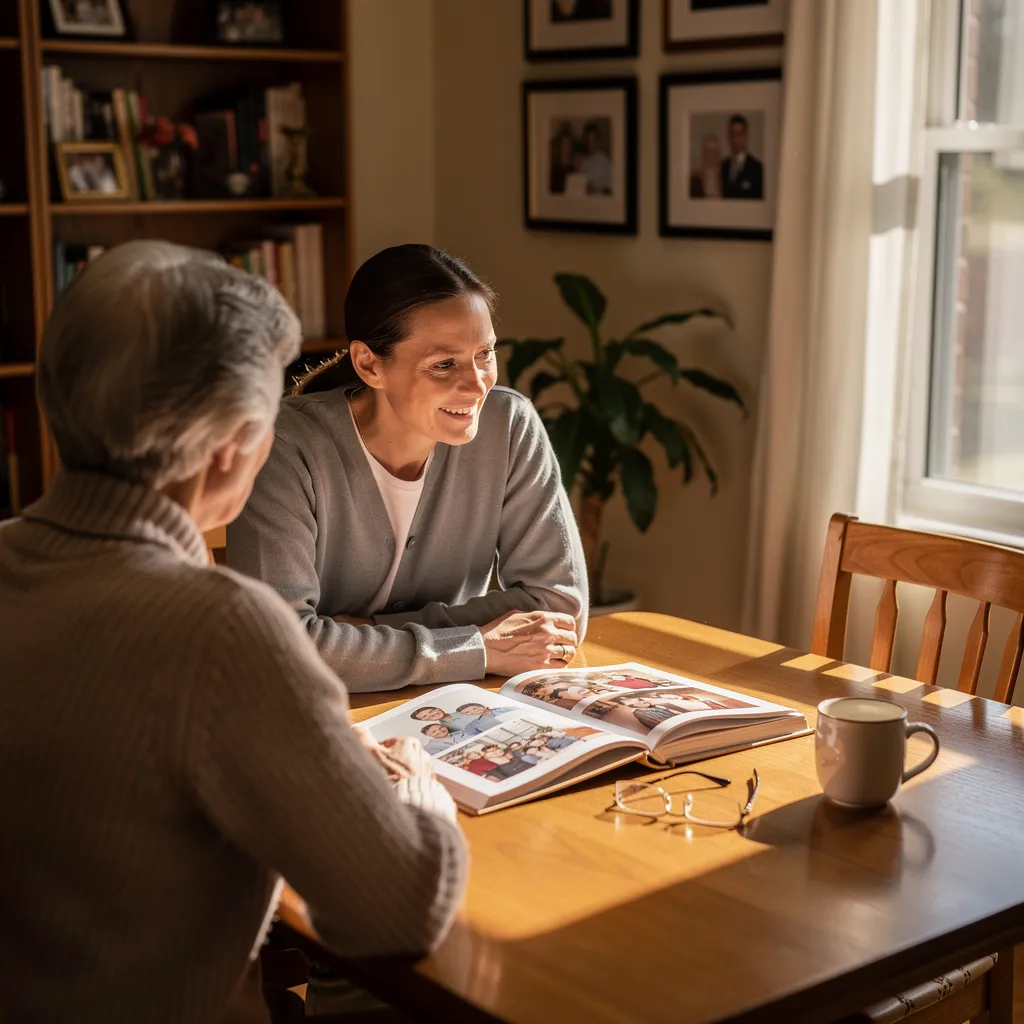
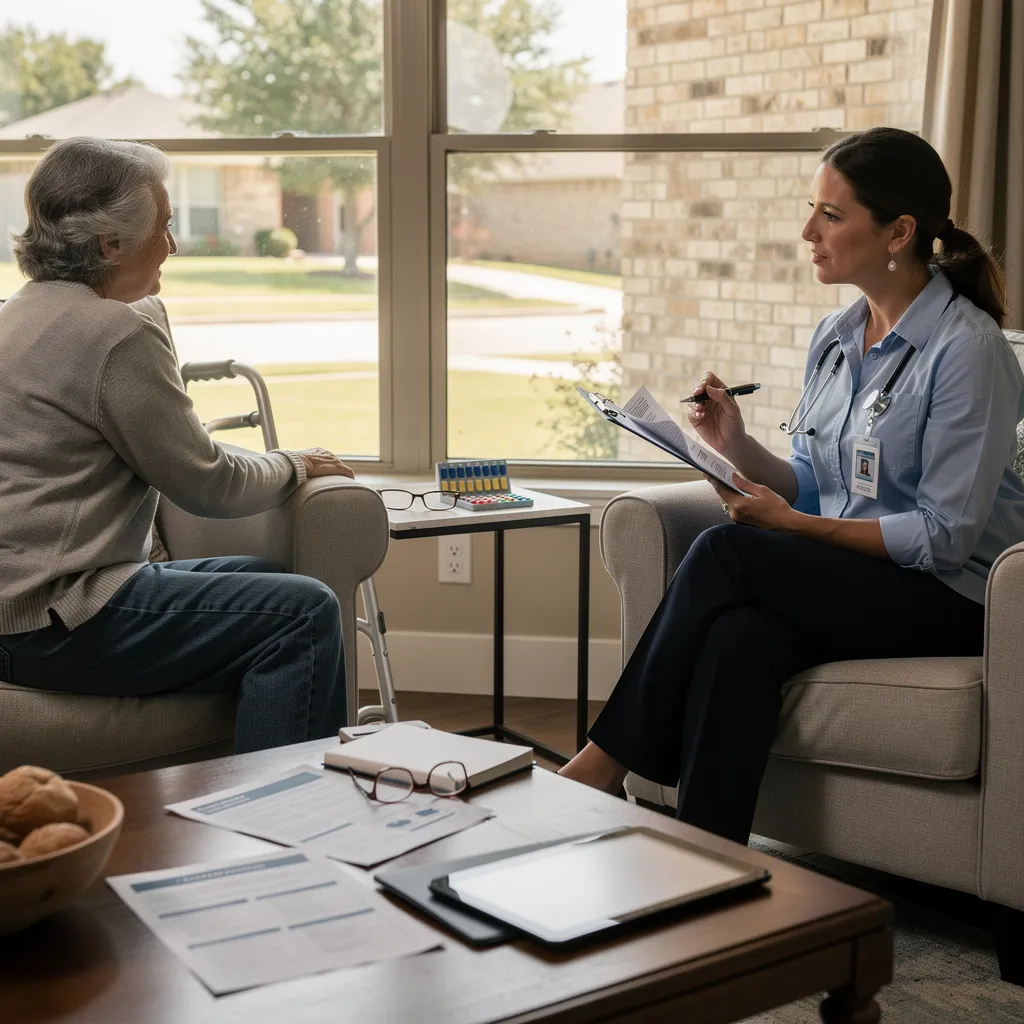
When it comes to In-Home Care Assessment for Seniors, A free in-home assessment for seniors in McKinney and Plano, TX involves a care coordinator visiting the home to evaluate mobility, memory, and daily living needs. 1 Mission Home Care builds a personalized plan from this evaluation, matching families with 100% THHS certified caregivers supervised by registered nurses for tailored, ongoing support.
What Happens During Your First In-Home Assessment?
A care coordinator visits the family’s home and asks about daily routines, health concerns, and safety needs. This first meeting sets the foundation for everything that follows. Families in McKinney can expect a conversation focused entirely on their loved one’s circumstances, not a sales pitch.
1 Mission Home Care built its entire model around one goal: keeping seniors in their own homes as long as possible. That mission starts with an in-home care assessment for seniors, offered at no cost to the family. The visit exists to uncover exactly what a specific person needs, rather than applying a one-size-fits-all checklist.
Who attends the assessment visit?
The care coordinator meets directly with the senior and family members together. This shared conversation matters because family input often reveals details a senior may forget to mention or feel reluctant to raise alone.
What does the coordinator ask about?
Questions typically cover mobility, personal care needs, and any support already in place at home. The coordinator listens closely, since the goal is understanding — not rushing toward a predetermined plan.
From that conversation, 1 Mission Home Care builds a care plan matched to the individual, not a generic template. The process reflects a core belief driving the agency: seniors deserve compassionate care that feels like family, not a transaction. Families walk away from the assessment with:
- A clear picture of what daily support could look like
- An understanding of which services fit their loved one’s specific situation
- A direct line to the coordinator for follow-up questions
No pressure, no obligation — just clarity before any decision gets made.
What Does the Care Coordinator Evaluate at Home?
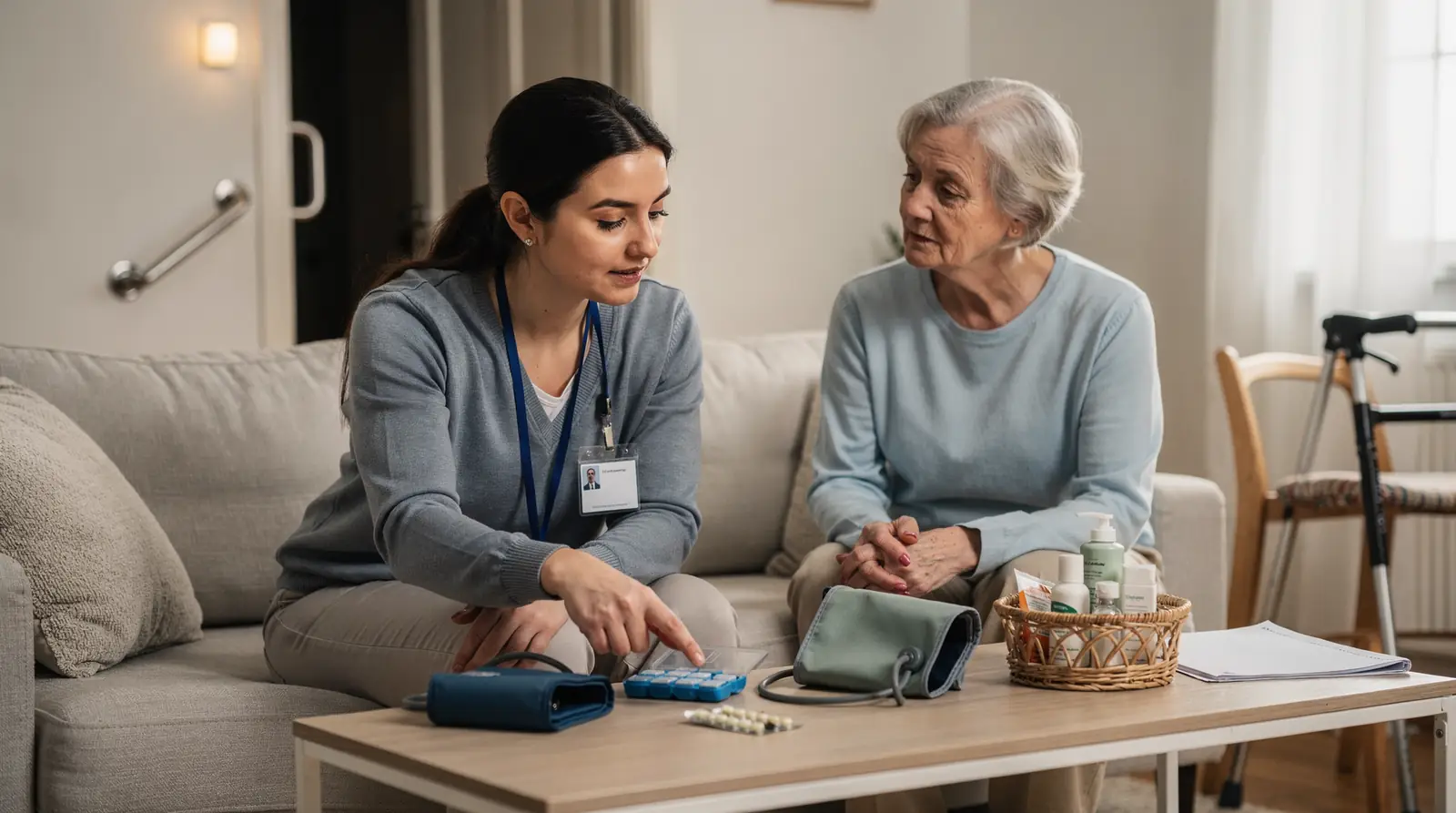
A care coordinator examines four core areas during an in-home care assessment for seniors: medical history, daily functioning, medication habits, and the type of support needed going forward. Skipping this step leaves families guessing at care needs and risks mismatched services down the road. McKinney families receive a clear picture of what daily support looks like before any care plan begins.
Health history takes priority in the conversation. The coordinator asks about chronic conditions such as diabetes, COPD, or heart disease, along with recent surgeries and hospital stays. These details reveal how urgent the situation is and whether a senior requires more intensive support right away.
What role does medication management play in the assessment?
Medication review is a standard part of every intake visit. The coordinator walks through each prescription, noting dosing schedules, who manages refills, and whether the senior needs reminders to stay on track. Missed doses and mismanaged refills often signal a need for closer daily oversight.
Beyond medical history, the coordinator maps out the type of support that fits the family’s situation. Care needs assessed span a wide range:
- Companion care for social engagement and light supervision
- Personal care for bathing, dressing, and hygiene
- Specialized Alzheimer’s and dementia care for memory-related conditions
- Respite care to give family caregivers a break
Who provides the care after the assessment is complete?
Every caregiver assigned through 1 Mission Home Care holds 100% THHS certification. Registered nurses supervise each caregiver, giving families a built-in layer of clinical oversight. That structure means the plan built during the assessment gets carried out by qualified hands, not left to chance.

How Does the Visit Shape Your Care Plan?
Every detail gathered during the visit feeds directly into a written care plan matched with a specific caregiver. Skipping a thorough evaluation risks pairing a family with the wrong level of support, leaving real needs unmet. 1 Mission Home Care structures the in-home care assessment for seniors so nothing gets overlooked before that plan takes shape.
The core purpose is practical: determine what type of care a senior requires, how many hours per week make sense, and how long that care should continue. These three factors, taken together, shape a plan built around real circumstances rather than guesswork.
What Information Actually Gets Used?
Daily routine details carry real weight in the final plan. Mealtimes, personal care habits, and sleep patterns all inform scheduling decisions, so the caregiver’s hours align with how the client actually lives.
Coordinators build recommendations around findings such as:
- Type of care needed (companion, personal, or specialized support)
- Recommended weekly hours
- Expected duration of the care arrangement
- Daily routines, including meals, hygiene tasks, and rest schedules
Why Does Caregiver Matching Matter So Much?
Matching goes beyond scheduling. A caregiver whose skills and temperament suit the client’s personality and needs makes a measurable difference in comfort and trust. 1 Mission Home Care emphasizes this personalized, comprehensive approach specifically because generic pairings often fail families in the long run.
The result is a care plan tailored directly to individual needs, not a standardized package applied to every client regardless of circumstance. Families in McKinney walk away from the visit with clarity: a defined care type, a realistic hours estimate, and a caregiver suited to daily life at home.
What Safety Hazards Get Checked in the Home?
Falls, clutter, and poor lighting top the list of hazards evaluated during a home visit. Loose rugs, dim staircases, and cluttered walkways create daily risks that families often overlook after years of living in the same space. A trained care coordinator walks through each room specifically to catch these dangers before an accident happens.
The in-home care assessment for seniors includes a full walk-through of the property, room by room, to identify safety hazards and fall risks. Bathrooms, staircases, and kitchens receive close attention. These areas account for many of the accidents that send older adults to the hospital. The coordinator also checks pathways, entryways, and outdoor steps for obstacles that could cause a stumble.
What happens after hazards are identified?
Identifying a hazard is only half the process. The coordinator discusses practical ways to optimize the home for maximum safety, tailored to the family’s layout and the senior’s mobility level. This conversation often covers grab bars, better lighting, and furniture placement.
Common areas reviewed during the walk-through include:
- Bathrooms and showers, checked for slip risks and grab-bar needs
- Stairways and hallways, evaluated for lighting and clutter
- Kitchens, reviewed for stove safety and reachability of everyday items
- Entryways and outdoor steps, assessed for uneven surfaces or poor footing
This part of the free assessment happens alongside a broader conversation about the family’s specific care needs. Safety and care planning move together, not as separate steps, so the resulting plan addresses both the senior’s daily support and the physical environment. Families walk away with a clearer picture of what changes will keep their loved one safer at home.
How Should You Prepare for the Visit?
Preparation starts with confirming that a prospective provider offers a genuine in-home care assessment for seniors before any service agreement begins. Families who skip this step risk mismatched care plans and wasted time correcting them later. A short list of items gathered beforehand keeps the visit focused and productive.
Families should have ready:
- A current medication list, including dosages and refill schedules
- Notes on recent hospital stays, surgeries, or diagnoses
- Observations about daily routines: meals, mobility, sleep, and personal care habits
- Questions about caregiver training and how care plans get adjusted over time
What Should Families Ask During the Assessment?
Families gain the most value by asking how caregivers are trained and how the agency handles changing needs. At 1 Mission Home Care, caregivers receive continuous training, and the agency maintains active relationships within the local community. Asking about this ongoing support reveals whether a provider treats care as a one-time setup or an evolving partnership.
Does the Assessment Cover More Than Personal Care?
Yes. A thorough evaluation should address the full range of support a senior might eventually need, not just immediate concerns. 1 Mission Home Care’s services extend beyond the initial visit to include personal care, respite care, senior transportation, and transitional caregiving.
Above all, preparation works best when families approach the visit openly. 1 Mission Home Care’s personalized, comprehensive approach builds ongoing support around each client’s specific needs, guided by kindness, integrity, and respectful, dignified care.
Conclusion
In closing, a comprehensive in-home assessment represents the foundation of personalized senior care that honors your loved one’s unique needs and preferences. At 1 Mission Home Care, this thoughtful evaluation process ensures that every care plan reflects our commitment to compassionate, dignified support tailored specifically to maintain quality of life and independence at home. By taking this important first step, you invest in a partnership built on respect, expertise, and genuine care for your family’s wellbeing.




 Copyright © All rights reserved