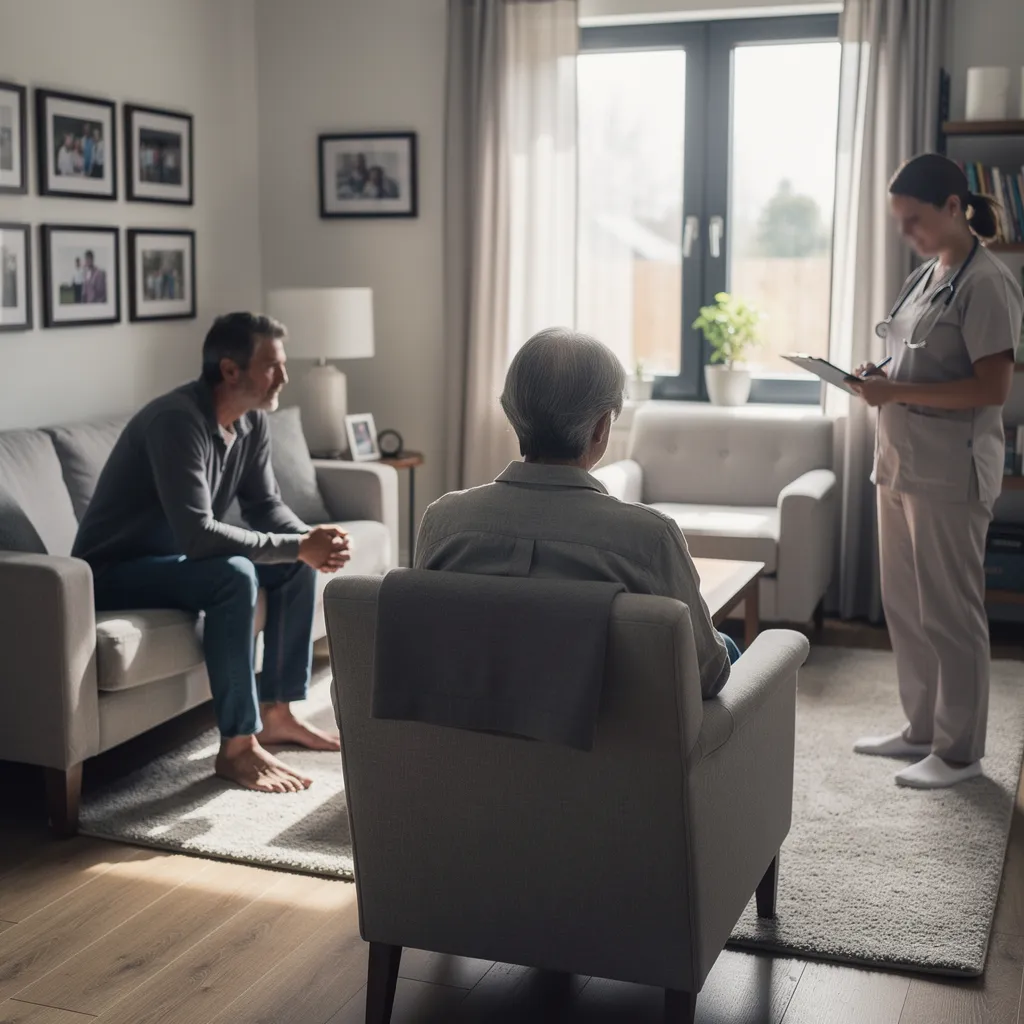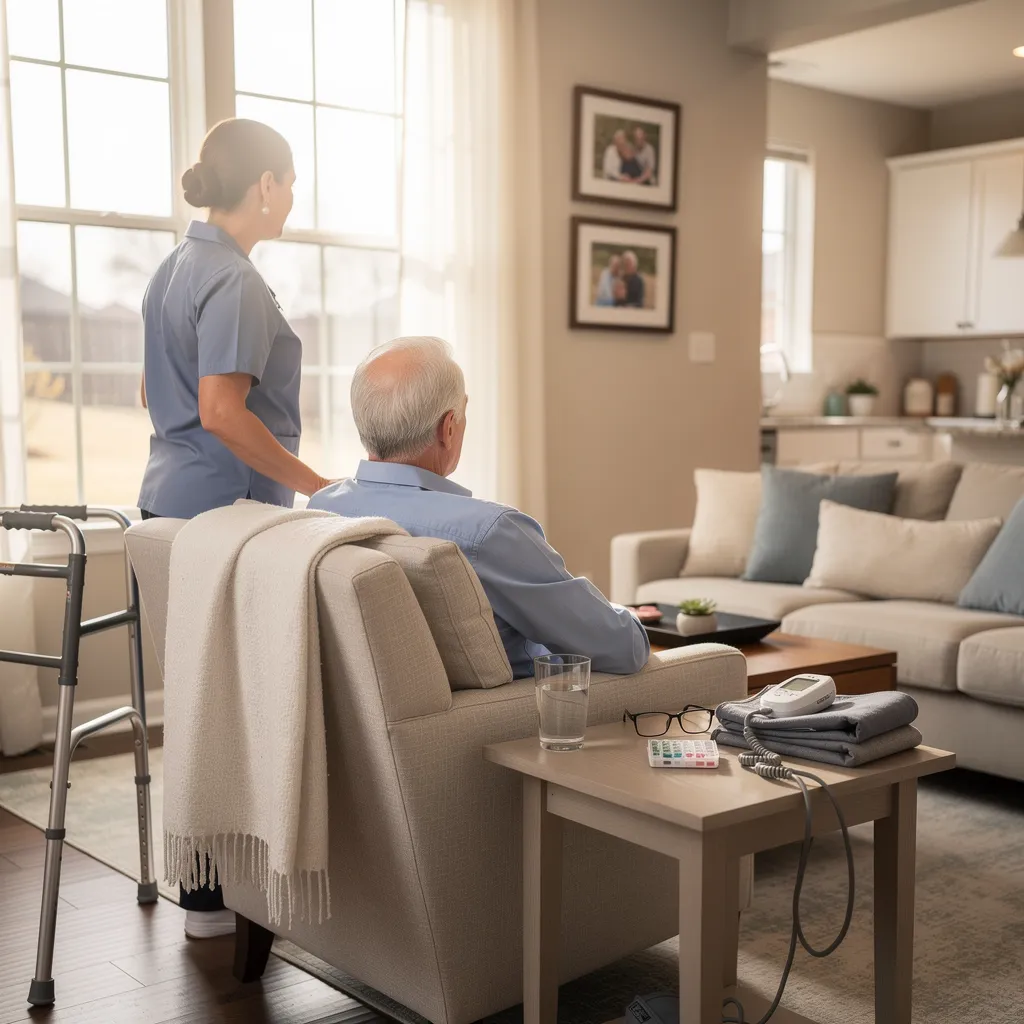
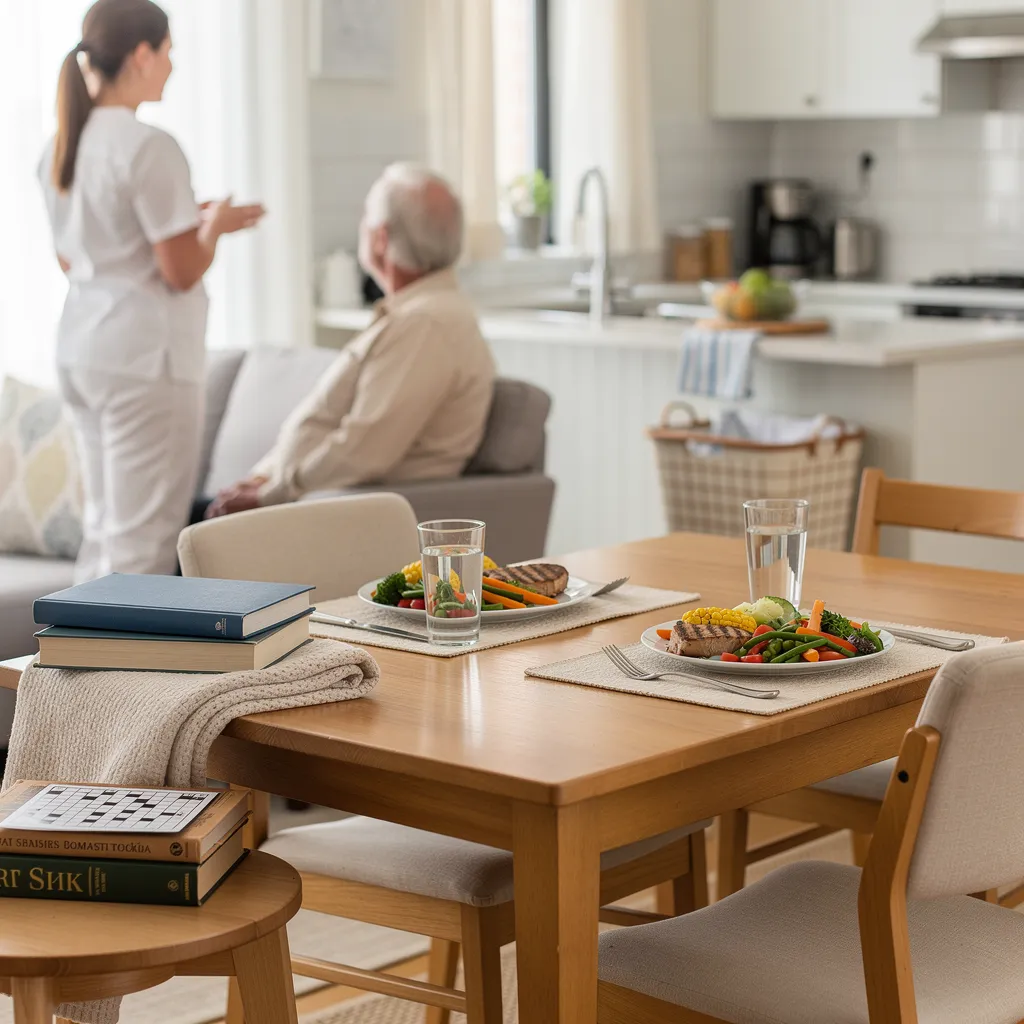
In-home companion care reduces isolation and loneliness while supporting daily activities like meal preparation and light housekeeping. Family caregivers gain peace of mind knowing aging parents receive one-on-one attention from 100% THHS certified caregivers, all supervised by registered nurses, allowing seniors to maintain independence and dignity while remaining safely in familiar surroundings at home.
What Is In-Home Companion Care, Really?
Companionship, not medical treatment, sits at the center of this care model. Benefits of in-home companion care for aging parents start with a simple truth: seniors often need connection and practical help far more than clinical intervention. Meal preparation, light housekeeping, and transportation to errands fill the daily routine. Conversation and social engagement address the emotional side of aging. Families searching for a gentler alternative to medical home care frequently find this the right fit.
1 Mission Home Care built its entire model around one goal: keeping seniors in their own homes for as long as possible. Rather than pushing families toward facility-based care, the agency designs services that support independence in a familiar environment. That mission shapes every caregiver interaction, from casual conversation to help around the house.
How does companion care actually start?
Every relationship begins with a free in-home assessment. A member of the care team visits the home directly and identifies the specific needs of the family member, whether that means help with errands, someone to share meals with, or regular transportation.
What tasks fall under companion care?
Companion caregivers typically handle:
- Meal preparation and light housekeeping
- Transportation to appointments and errands
- Friendly conversation and social engagement
- Light assistance with daily routines around the home
These tasks sound modest individually. Together, they preserve independence and delay the need for more intensive care arrangements.
How Does Companionship Ease Loneliness and Isolation?
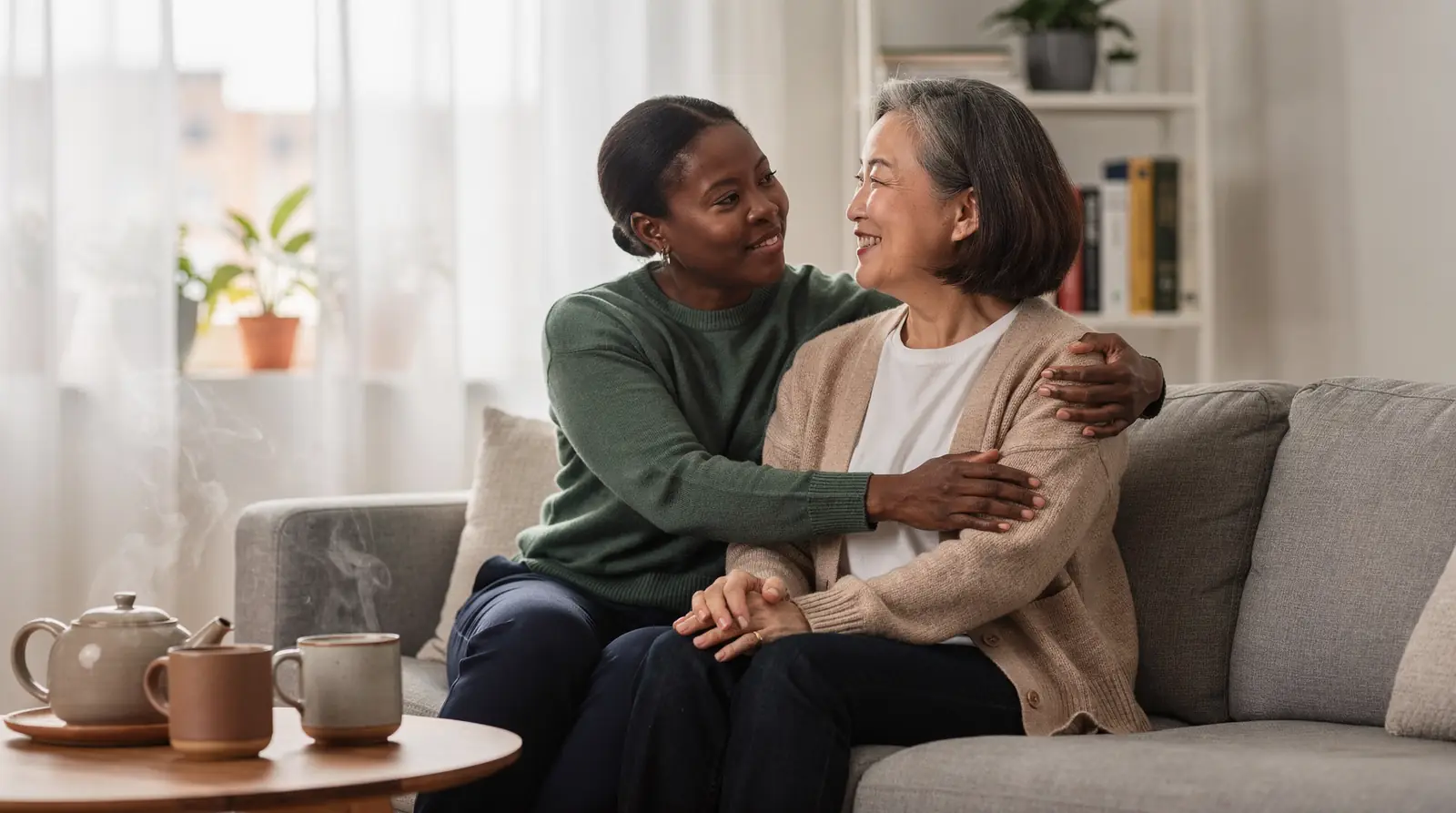
Regular human connection interrupts the cycle of isolation that many aging adults experience once mobility, hearing, or driving ability declines. Loneliness rarely announces itself; it builds quietly through skipped conversations and empty afternoons. A dedicated companion breaks that pattern by showing up consistently, offering conversation, shared activities, and a familiar face a senior can count on.
1 Mission Home Care approaches this need through a family-oriented philosophy rather than a purely clinical model. Care plans grow out of the belief that seniors deserve the kind of warmth. Attentiveness that comes from family, not simply a transactional service. That distinction shapes how caregivers interact with clients — less like scheduled visitors, more like extended family checking in.
The benefits of in-home companion care extend well beyond passing the time together. Consistent companionship supports quality of life during the later years in ways that go beyond convenience:
- Reduces the isolation that often accompanies living alone
- Encourages engagement through conversation and shared routines
- Reinforces a sense of belonging and being cared for
- Offers emotional steadiness during difficult stretches, like illness or grief
Why Does Loneliness Hit Older Adults So Hard?
Aging often strips away the built-in social structures of working life — coworkers, commutes, daily errands. Without those touchpoints, isolation sets in gradually and often goes unnoticed by family members living at a distance. Companionship rebuilds that missing structure, one visit at a time.
Can a Caregiver Really Replace Family Connection?
A companion caregiver does not replace family, but supplements it during the hours families cannot be present. The goal stays consistent with the agency’s core belief: every senior deserves care that feels personal, attentive, and rooted in genuine concern rather than obligation.
Can Companion Care Preserve Independence at Home?
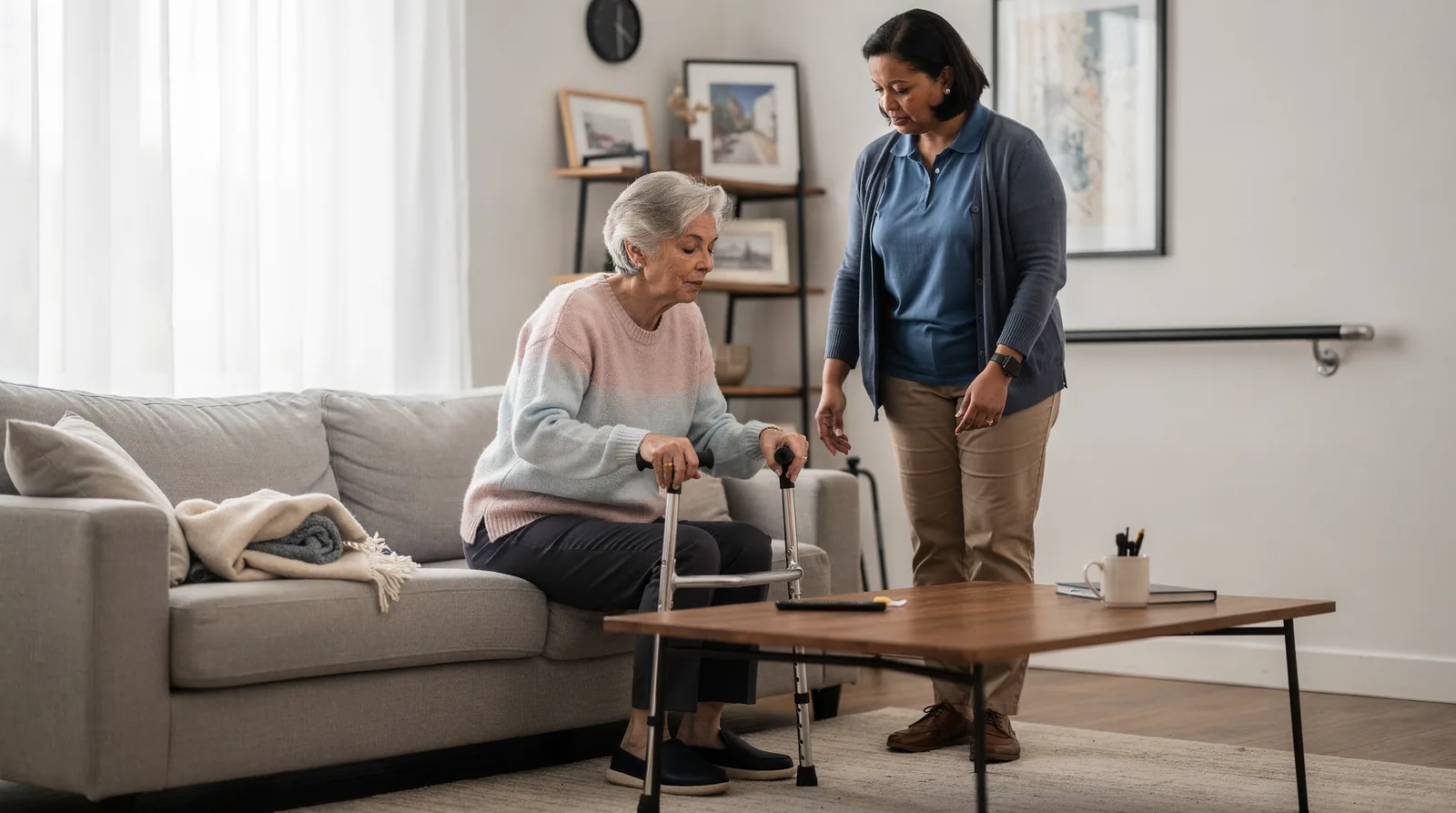
Yes — daily support with errands, meal preparation, and light housekeeping keeps aging parents functioning safely in their own homes rather than facing a premature move to assisted living. Families who wait until a crisis forces the decision often lose the chance to choose care on their own terms. Companion care changes that timeline by addressing small struggles before they become emergencies.
1 Mission Home Care builds every plan around one central goal: helping clients maintain quality of life and independence at home. The agency’s continuum of services — personal care, respite care, senior transportation, and transitional caregiving — works together toward that same outcome. No single service operates in isolation; each one reinforces a parent’s ability to stay rooted in a familiar environment.
What Daily Tasks Help Seniors Stay Independent?
Errands, meals, and light housekeeping might sound minor, but skipping them creates real risk. A senior who can’t manage groceries or laundry often declines faster, both physically and emotionally. Consistent help with these tasks preserves routine and dignity, which matters as much as physical safety.
The table below shows how everyday support connects to independence:
| Task | Independence Benefit |
|---|---|
| Errands and transportation | Reduces isolation, keeps appointments on track |
| Meal preparation | Supports nutrition and energy |
| Light housekeeping | Maintains a safe, livable home |
Does 1 Mission Home Care Adapt to Changing Needs?
Care needs shift as parents age, and rigid plans fail families quickly. 1 Mission Home Care fosters a supportive, inclusive environment where every service reflects respect and integrity toward clients and their families. That flexibility, paired with the benefits of in-home companion care, gives adult children confidence that a loved one’s independence isn’t left to chance.
How Do Trained Caregivers Keep Seniors Safe?
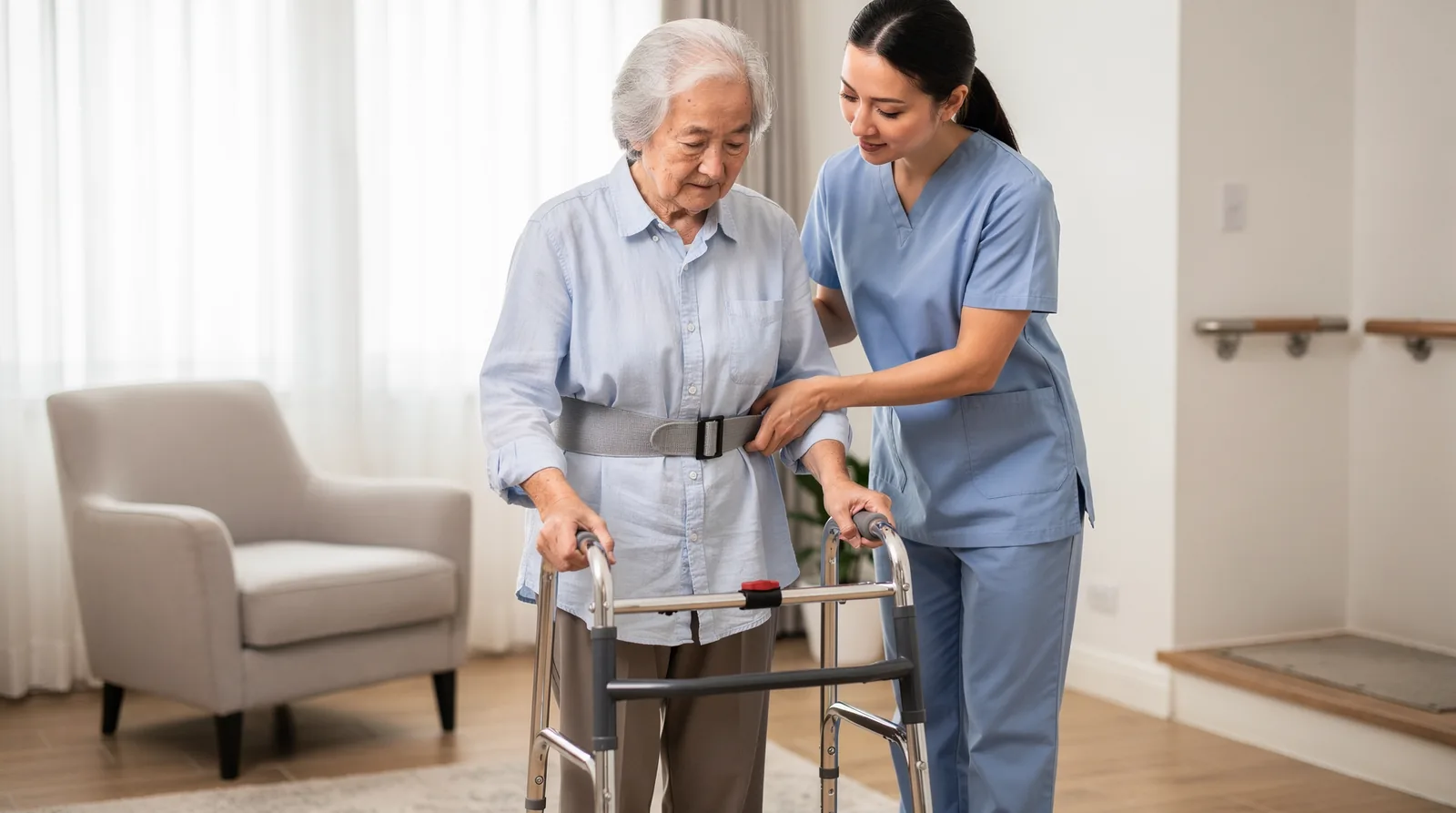
Safety at 1 Mission Home Care rests on structured supervision, not guesswork. Every caregiver on staff is 100% THHS certified. Works under the oversight of registered nurses, forming a full continuum of care that spans companion support through Alzheimer’s and dementia care. That clinical layer of oversight means families aren’t relying on a single caregiver’s judgment alone. A registered nurse helps guide the plan behind the scenes.
This structure matters most when families weigh the true benefits of in-home companion care. Safety isn’t just about preventing falls. It’s about consistency, accountability, and a trained eye watching for changes in a parent’s condition.
Do companion caregivers help with doctor visits?
Yes. Caregivers regularly accompany seniors to medical appointments, which keeps care plans on track and reduces the risk of missed instructions or follow-up steps. This support gives adult children peace of mind that questions get asked, prescriptions get discussed, and nothing important falls through the cracks.
What keeps caregiving quality consistent over time?
Consistency comes from training that never really stops. 1 Mission Home Care reinforces its commitment to excellence and empathy through ongoing caregiver education. Collaborative relationships with the surrounding community. Rather than treating certification as a one-time milestone, the agency builds continuous learning into how caregivers operate day to day.
Together, these elements create a safety net with several layers:
- Certified caregivers trained in non-medical support and daily living assistance
- Registered nurse supervision guiding each individualized care plan
- Medical appointment accompaniment to catch details families might otherwise miss
- Ongoing training that keeps caregiving practices current and community-connected
For families searching for dependable oversight, this layered approach offers reassurance that safety isn’t left to chance.
How Do You Choose the Right Companion Care Team?
A trustworthy companion care team starts with a personalized assessment, not a generic package. 1 Mission Home Care builds every plan around the individual, matching families with caregivers suited to their loved one’s specific needs, personality, and daily routine. Families evaluating a home care provider should look for that same level of customization before signing on.
Reputation matters as much as service offerings. An agency should demonstrate real commitment to kindness, integrity, and excellence. Values that translate into caregivers who treat aging parents with genuine respect and dignified care, not clinical detachment.
What Should Families Look for in a Home Care Provider?
Families should ask how a provider evaluates need before care begins. 1 Mission Home Care conducts a free in-home assessment to understand a mom, dad, or loved one’s routines, health concerns, and preferences firsthand. That assessment then shapes a care plan matched with the right caregiver, rather than assigning whoever happens to be available.
How Broad Should the Range of Services Be?
Care needs rarely stay the same over time. A capable team offers a full spectrum, from benefits of in-home companion care like conversation and light assistance, to specialized support for Alzheimer’s and dementia. This range matters because families avoid switching agencies as needs evolve.
When comparing providers, families can weigh a few key factors:
- Assessment process — Does the agency evaluate needs in-home, free of charge, before recommending a plan?
- Values in action — Do caregivers demonstrate warmth, patience, and respect during initial interactions?
- Scope of care — Can the team handle both companionship and more advanced needs like memory care?
- Caregiver matching — Is the caregiver selected based on the client’s personality and routine, or simply assigned?
Choosing a team on these terms protects both safety and peace of mind for the whole family.
Conclusion
In closing, in-home companion care represents a meaningful way to honor the independence and dignity seniors deserve while maintaining the comfort and familiarity of home. At 1 Mission Home Care, we understand that quality of life extends beyond physical health—it encompasses emotional connection, personal autonomy, and the security of remaining in the spaces where memories are made. Our compassionate, personalized approach ensures every senior receives the respectful support they need to thrive at home.



 Copyright © All rights reserved