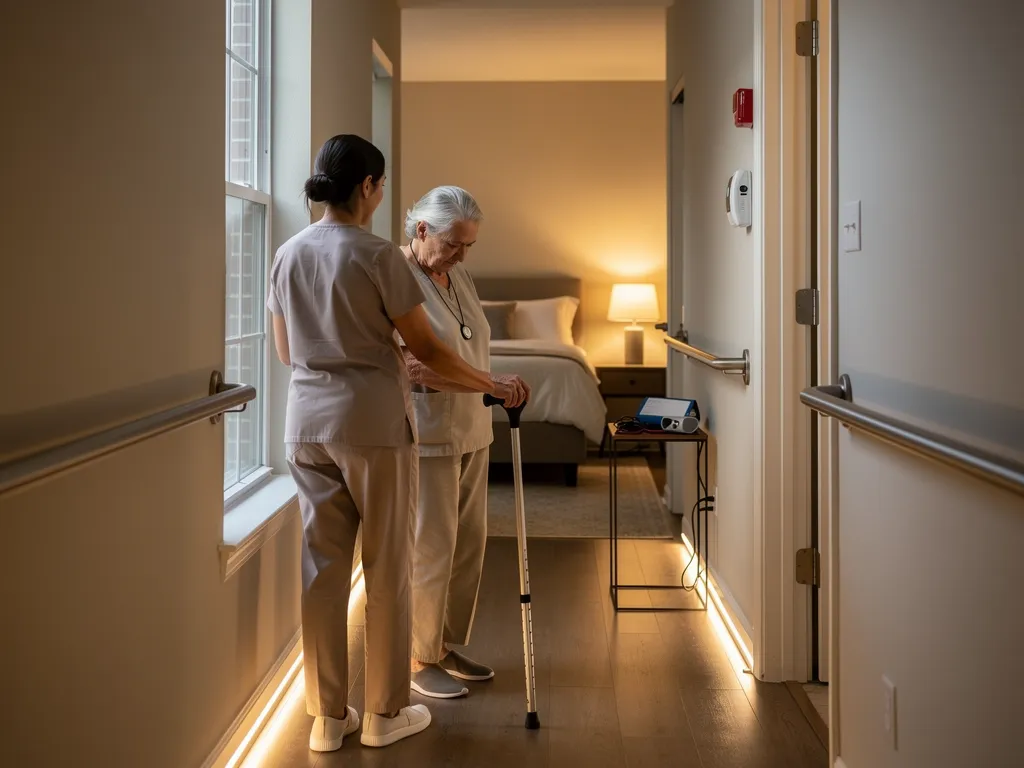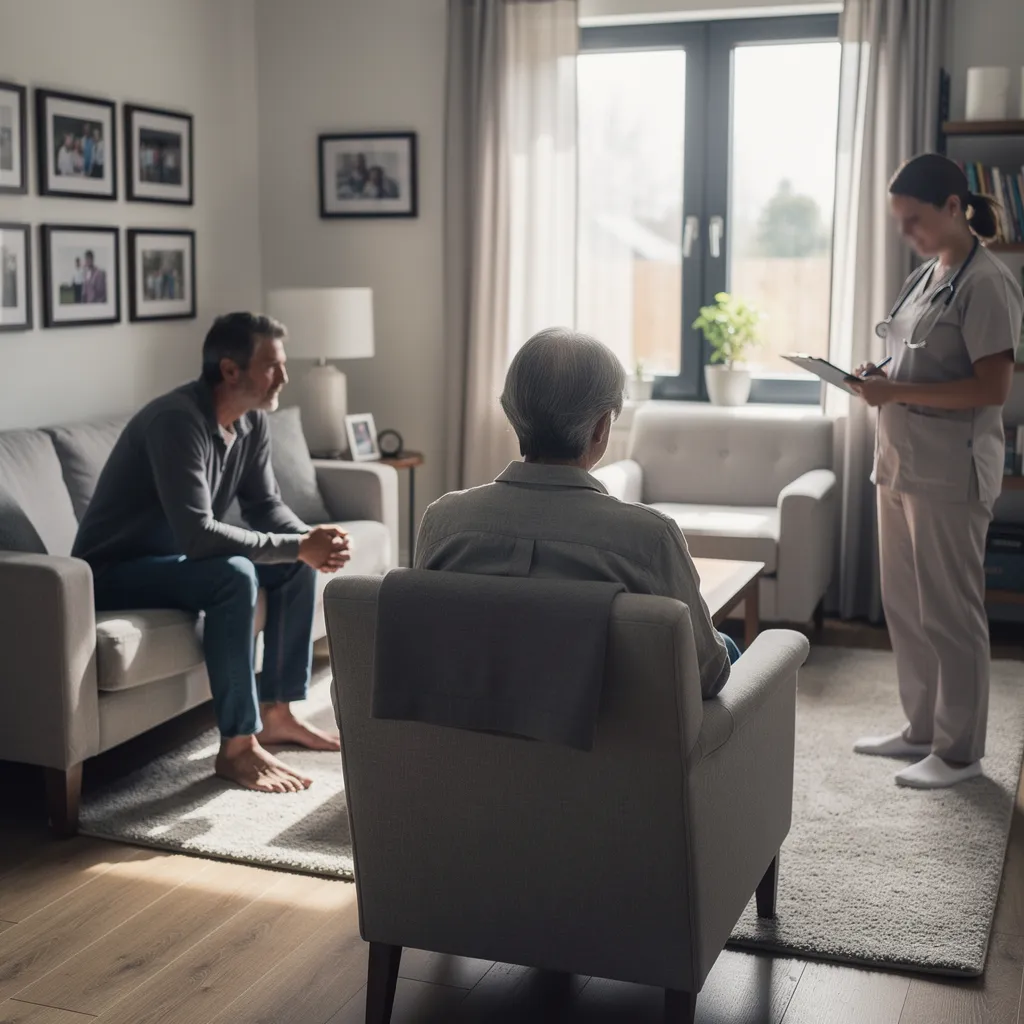

Companion caregivers give aging parents daily support and social connection, helping them maintain independence at home. 1 Mission Home Care staffs 100% THHS certified caregivers, supervised by registered nurses, serving families throughout Texas. Benefits include reduced isolation, safer daily routines, personalized one-on-one attention, and relief for family members balancing caregiving responsibilities with work and life.
What Are the Advantages of Hiring a Companion Caregiver?
Seniors gain the ability to remain in familiar surroundings, close to neighbors and routines that give daily life meaning. 1 Mission Home Care was founded on exactly this principle: creating an environment that allows every senior to stay in their own home for as long as possible. That founding purpose shapes every service the agency delivers, from casual conversation to help with daily errands.
The advantages of hiring a companion caregiver extend well beyond simple company. Families juggling careers, children, and long-distance schedules often cannot provide daily check-ins themselves. A trained caregiver fills that gap, offering steady presence and genuine connection.
Does companion care really make a difference for families?
Yes — companion care gives family caregivers real peace of mind. Compassionate, personalized support helps seniors maintain a fulfilling life at home while relieving relatives of constant worry about who checked in that day. Knowing a familiar, reliable caregiver is present allows adult children to focus on their own households without guilt or gaps in coverage.
1 Mission Home Care builds each plan around the individual, not a generic checklist. The agency’s personalized, comprehensive approach ensures clients receive high-quality support tailored to their specific needs, whether that means help managing medications, transportation to appointments, or simply someone to share a meal with. This care philosophy rests on a family-first belief: every senior deserves the kind of compassionate care that comes from family, even when relatives cannot be physically present every day.
Key advantages families typically notice include:
- Reduced isolation through regular, meaningful conversation
- Consistent daily support tailored to the senior’s routine and preferences
- Greater independence at home rather than a move to a facility
- Relief for family caregivers, who gain confidence their parent is not alone
Companion care, delivered with consistency and warmth, changes daily life for seniors and their families alike.

How Does Companionship Ease Loneliness and Isolation?
Regular conversation and human presence reduce feelings of isolation among seniors living alone. A visitor stopping by regularly can change everything for an older adult who spends most days without company. For someone caring for an ailing spouse with little relief. That single relationship often becomes the difference between a lonely afternoon and a meaningful one.
Small gestures carry weight for aging parents who have started to withdraw. A phone call, a shared meal, or a walk around the block can restore a sense of connection that isolation slowly erodes. These moments accumulate into real emotional protection over time.
1 Mission Home Care builds its services around this principle. Dedicated to kindness, integrity, and excellence, the agency emphasizes a warm and empathetic approach to senior care. Every client receives respectful, dignified attention designed to combat the loneliness that so often accompanies aging in place. The advantages of hiring a companion caregiver extend beyond errands and reminders — they reach into a client’s emotional well-being.
Why does a sense of community matter for seniors aging at home?
Isolation deepens when seniors lose regular contact with their neighborhoods, churches, or old friend groups. 1 Mission Home Care was founded to help seniors remain in their own homes as long as possible, supported by a community-focused environment. That atmosphere gives clients a sense of belonging rather than separation from the world around them.
What does companion care actually look like day to day?
Companion visits typically include:
- Friendly conversation and active listening
- Shared meals or light activities
- Accompaniment on errands or walks
- Consistent, familiar faces clients can rely on
These simple interactions, repeated consistently, prevent the slow drift into isolation many aging parents experience.

Can Companion Care Help Seniors Stay Independent?
Yes — companion care directly supports independence by helping seniors manage daily life safely at home instead of moving to a facility. Aging brings real risk of losing that independence: mobility loss, balance problems, and other age-related conditions often trigger the fear of no longer managing alone. A professional caregiver in the home addresses that fear before it forces a harder decision.
The advantages of hiring a companion caregiver extend beyond simple company. Trained caregivers prolong a parent’s independence and improve overall quality of life by handling the tasks that become harder with age, while families keep peace of mind about safety and routine.
1 Mission Home Care structures its services around this exact goal. Rather than offering one fixed package, the agency provides:
- Personal care for daily hygiene and mobility support
- Respite care to give family caregivers scheduled relief
- Senior transportation for appointments and errands
- Transitional caregiving for recovery after hospital stays
Each service works toward the same outcome: helping seniors remain in familiar surroundings longer, on their own terms.
What happens as a senior’s needs change over time?
Care needs rarely stay static. A parent who only needs light companionship today may require more hands-on support next year. 1 Mission Home Care addresses this through a full continuum of care, with certified caregivers working under the supervision of registered nurses so the level of support can adjust without disrupting the relationship the senior has already built with a trusted caregiver.
Does companion care replace medical care?
No. Companion care focuses on daily living, safety, and connection rather than clinical treatment. Nurse oversight ensures caregivers recognize when a family should loop in a physician, keeping independence and safety balanced.

What Sets 1 Mission Home Care Caregivers Apart?
A free in-home assessment separates 1 Mission Home Care from agencies that assign caregivers without first understanding the family’s situation. Trained staff visit the home, evaluate daily routines, and identify the specific needs of the aging parent before any care begins. That groundwork prevents mismatched caregivers and wasted time during an already stressful transition.
Community roots also shape how the agency operates. Serving McKinney, Plano, and nearby areas means local relationships matter, and continuous caregiver training keeps standards consistent across every visit. Families gain confidence knowing caregivers aren’t just credentialed once and forgotten — skills stay sharp through ongoing education.
How does the free assessment lead to better care?
Results from the in-home assessment feed directly into a personalized care plan built around one specific person, not a generic template. The agency uses those findings to match a mom, dad, or loved one with a caregiver suited to their personality, health needs, and daily habits. That pairing process reduces friction and builds trust faster.
What kind of support do companion caregivers actually provide?
The advantages of hiring a companion caregiver extend well beyond basic supervision. Caregivers assist with:
- Daily activities such as meal preparation, light housekeeping, and mobility support
- Personal companionship that eases isolation and lifts mood
- Encouragement toward continued independence at home
- Consistent presence that gives family members peace of mind
This combination of practical help and genuine companionship allows seniors to remain in familiar surroundings longer, supported by caregivers who understand their needs from day one.
When Should You Consider Hiring a Companion Caregiver?
Certain moments signal that an aging parent needs more support than occasional visits can provide. Gradual shifts in daily routines, physical ability, or emotional well-being often appear before families realize how much has changed. A parent who once managed cooking, laundry, and errands without trouble may start skipping meals or withdrawing from conversations. These changes rarely happen overnight; they build slowly, which makes them easy to miss during short visits or phone calls.
Independence matters deeply to most seniors, and many resist the idea of outside help. Yet there comes a point where staying safe and staying independent both require extra hands. Recognizing that turning point early, rather than waiting for a crisis, protects both safety and dignity.
How do families know it’s time to ask for help?
Watch for patterns rather than single incidents. A missed medication here or a messy kitchen there might mean nothing, but repeated signs across several visits point to a real shift in capability.
- Noticeable changes in hygiene, appetite, or household upkeep
- Increased forgetfulness or confusion during conversations
- Withdrawal from hobbies, friends, or family gatherings
- Mobility struggles that limit errands or social outings
Families who recognize these patterns benefit from acting sooner rather than later. The advantages of hiring a companion caregiver become clear once support enters the picture: routines stabilize, safety risks shrink, and connection returns to daily life. 1 Mission Home Care, locally owned and operated, stands ready once that need is identified. The agency’s guiding belief remains simple: every senior deserves the kind of compassionate care that comes from family, and that’s the standard behind every visit.
Conclusion
In closing, companion caregiving represents a meaningful investment in your loved one’s wellbeing and independence. By choosing a compassionate caregiver, you provide not just practical support, but genuine human connection that enriches daily life at home. 1 Mission Home Care understands this deeply—our family-oriented approach and certified caregivers deliver personalized care rooted in respect and dignity. When you prioritize your senior’s quality of life and emotional wellness, you honor their desire to age gracefully in the comfort of home.




 Copyright © All rights reserved