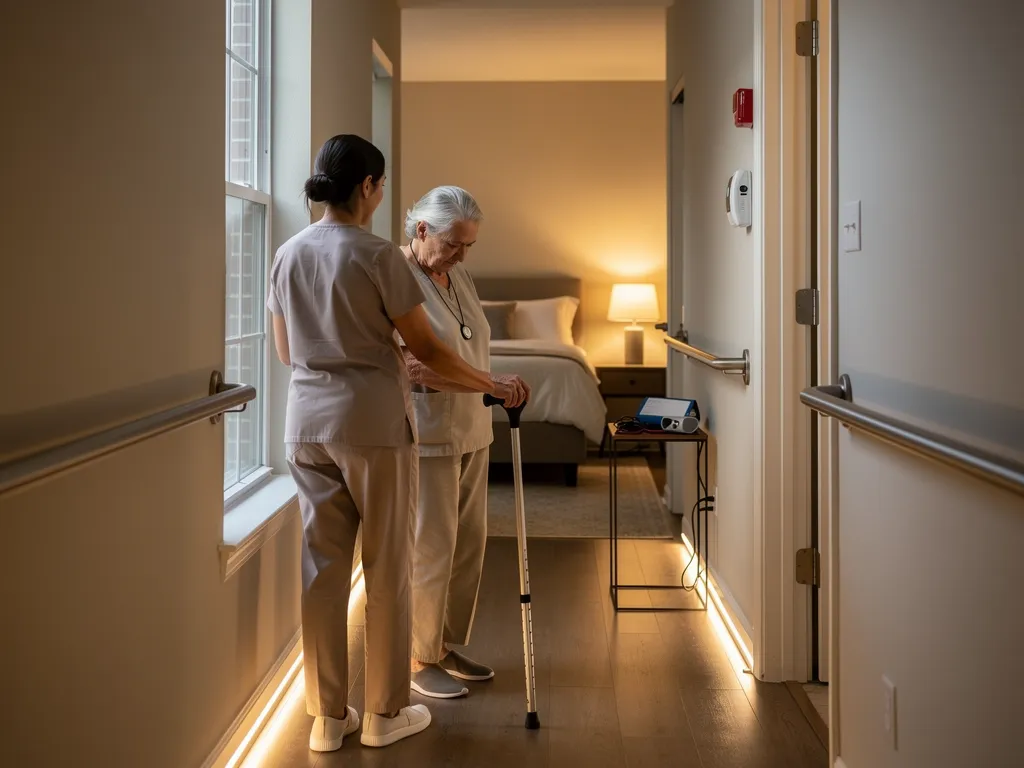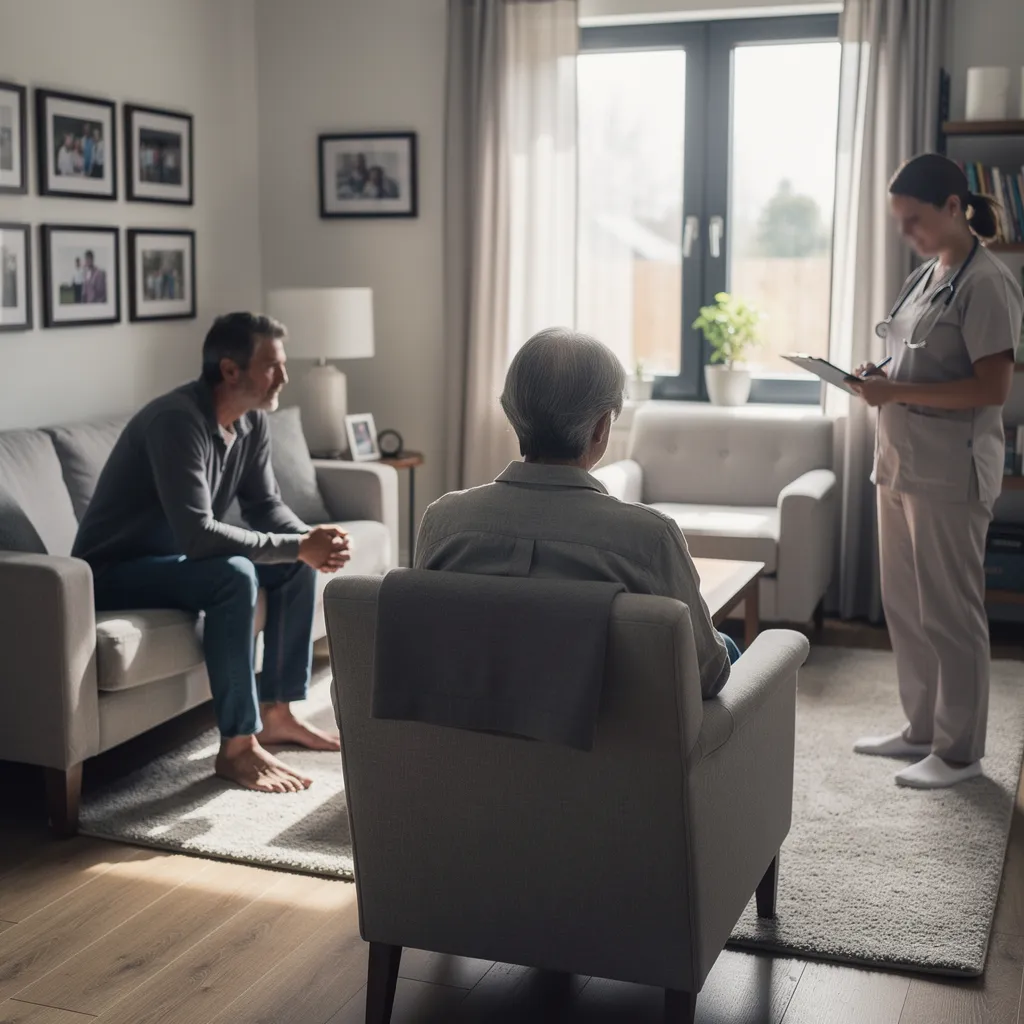

When it comes to How Can I Ensure My Loved One Receives the Right Level of Care?, verification of caregiver credentials, consistent communication, and clear care plans form the foundation of quality home care. Families caring for loved ones—whether for a month, a year, or a decade—should regularly evaluate comfort, dignity, and reliability to confirm the provider consistently meets these standards.
Quality home care depends on verified caregiver credentials, consistent oversight, and a plan matched to real needs. 1Missionhomecare.Com staffs a notable share THHS certified caregivers, supervised by registered nurses, and builds personalized care plans from a free in-home assessment, spanning companion care through Alzheimer’s and dementia care for families across McKinney, Plano, and surrounding areas.
What Should You Prepare Before Starting Home Care?
Preparation starts with a clear picture of daily life, not paperwork. Families who gather details on routines, medications, and personal preferences give a care team the raw material needed to build an accurate plan. Skipping this step often leads to mismatched caregivers and slow starts.
A free in-home assessment serves as the true starting point for determining the right level of care before anything else is decided. 1Mission Home Care conducts this assessment in the home, observing how a loved one actually lives rather than relying on guesswork. The visit identifies specific needs first, then a care plan and matching caregiver follow from those findings.
What information should families bring to the assessment?
Assessments run smoother when families arrive with specifics rather than general impressions. Useful details include:
- Daily schedule, including wake times, meals, and bedtime habits
- Medical conditions, medications, and any recent hospitalizations
- Mobility limits or fall history
- Personal preferences around routines, hobbies, and communication style
- Family concerns about safety or isolation
Sharing these details up front helps produce a plan matched to the person, not a generic template.
Should families plan for short-term or long-term help?
Both scenarios deserve consideration before care begins. Outside help sometimes covers a temporary gap, such as recovery after surgery. Other times it becomes a permanent part of keeping a loved one safely at home.
Families who think through both possibilities avoid scrambling later. Understanding the different pieces of home care in advance also brings a sense of control during what can feel like an overwhelming decision. Preparation, more than any single document, determines how smoothly the transition to outside care unfolds.

Confirming the right level of care starts with matching services to the person’s actual condition, not a generic package. Families lose valuable time when a loved one is placed on a static plan that fails to adjust as health needs shift. A structured approach, built on trained staff, medical oversight, and flexible service tiers, keeps care aligned with reality rather than guesswork.
What does a full continuum of care actually mean?
A full continuum of care spans from companion-level support for mild assistance up through specialized memory care for Alzheimer’s and dementia. cite-1 This range matters because senior needs rarely stay fixed. A parent who needs occasional companionship today may need supervised, specialized attention within a year, and the care arrangement should be able to move with that change instead of forcing a new provider search during a crisis.
How can families tell if a care plan actually fits?
Personalized care plans built around one-on-one attention are the clearest signal that a care level matches real needs, rather than a standardized package applied to every client. cite-1 A plan built for one household rarely works for another. Families should look for evidence that a provider assessed daily routines, mobility limits, and cognitive status before assigning a caregiver.
Oversight matters just as much as the plan itself. Care led by registered nurses means changes in condition, a fall risk, a medication issue, a cognitive shift, get caught early and translated into an adjusted care level. cite-1 Without that layer of supervision, families often discover problems only after a setback has already happened.
Certification offers a baseline families can verify directly. Checking for THHS certified caregivers confirms that trained, qualified staff are providing hands-on support, not just background-checked employees.
Practical steps for families evaluating fit:
- Request a written assessment outlining current needs.
- Ask how often the plan gets reviewed.
- Confirm nurse oversight and caregiver certification status.
- Revisit the plan after any hospitalization or diagnosis change.

How Do You Vet a Home Care Provider’s Quality?
Verification starts with the caregivers themselves. Trustworthy agencies extensively train, thoroughly screen, and carefully match each caregiver to the client’s specific needs before care ever begins. Families deciding how can I ensure my loved one receives the right level of care should treat that matching process as the first checkpoint, not an afterthought. Skipping this step risks placing a stranger with unverified skills inside a vulnerable person’s home.
Quality also shows up in how a provider talks, not just what credentials it lists. Genuine home health care blends technical competence with real empathy, steady communication, and respect for a person’s dignity at every stage of care. A provider that rushes through intake calls or dodges specific questions about training rarely delivers that balance later.
Ownership structure matters too. Locally owned and operated agencies tend to build closer, community-rooted relationships with families than distant national chains. Local owners answer directly to the neighbors they serve. cite-1 That accountability often translates into faster responses and more personal attention when concerns arise.
What questions should families ask before hiring a caregiver?
Families navigating this process should ask providers to explain their screening, training, and matching procedures in plain terms. Avoid agencies that answer with vague marketing language instead of specifics.
Use this quick checklist during any consultation:
- Ask how caregivers are screened and trained before placement.
- Ask how the agency matches caregivers to a client’s personality and medical needs.
- Ask whether the agency is locally owned and how long it has served the area.
- Ask how communication works between family, caregiver, and any supervising staff.
A provider that answers each point clearly, without deflecting, has already passed the first real test.
How Do You Build a Compassionate, Family-Centered Care Plan?
Building a strong care plan starts with a clear purpose: keeping an aging loved one at home for as long as possible. 1 Mission Home Care was founded on exactly that goal, and every plan built afterward flows from it. Families who skip this step often end up with a plan built around tasks instead of people.
Care built around family values feels different from care built around a checklist. A compassionate plan treats the loved one the way a family member would, not as a transaction to manage. That distinction shapes tone, pacing, and how decisions get made when needs shift.
What Should a Daily Care Plan Actually Cover?
A workable plan spans the real range of daily life, not just medical tasks. Support typically covers personal hygiene, mobility, meal preparation, medication reminders, and companionship, all aimed at keeping the loved one comfortable, safe, and rooted in a familiar environment. Families should map out which of these areas need coverage before choosing a caregiver.
How Do Families Actually Put the Plan Into Action?
Assembling the plan requires a sequence, not a single conversation. Follow these steps:
- List daily tasks the loved one currently struggles with or refuses to do alone.
- Identify safety risks tied to the home environment, such as stairs or bathrooms.
- Discuss preferences directly with the loved one, preserving their voice in decisions.
- Bring in a structured support and transition program to handle scheduling, paperwork, and caregiver matching.
- Revisit the plan every few months, since needs rarely stay static.
Skipping step three costs families trust; skipping step five costs them accuracy. Both mistakes turn a family-centered plan into a generic one.
What Mistakes Should Families Avoid When Arranging Care?
Delaying the search for outside help ranks among the most costly mistakes a family can make. A family caregiver’s dedication has limits. Waiting too long to bring in professional support can undermine the very quality of care the loved one needs. Exhaustion sets in, small problems go unnoticed, and the right level of care slips further out of reach the longer help is postponed.
Assuming every home care agency offers identical flexibility is another common misstep. Some families sign on with a provider expecting round-the-clock availability, only to discover coverage is limited to a few scheduled hours. Care arrangements should flex to match real life: a few hours a day, a few days a week, or full-time support when conditions change.
Is it a mistake to skip the in-home assessment?
Yes. Bypassing a free in-home assessment risks pairing a loved one with a caregiver whose skills don’t match actual needs. cite-1 An assessment identifies mobility limits, medical concerns, and daily routines before any caregiver enters the home.
Should families expect support only during business hours?
No. Questions about care don’t follow a nine-to-five schedule. Families benefit from providers that remain reachable around the clock. Concerns get answered the moment they arise rather than left waiting overnight.
Ensuring quality home care for your loved one requires thoughtful evaluation, clear communication, and partnership with a trusted provider committed to compassionate, individualized care. By prioritizing caregiver qualifications, personalized care planning, and ongoing oversight, you create the foundation for your loved one to thrive at home with dignity and independence. The right home care agency becomes an extension of your family, dedicated to honoring both your loved one’s needs and your peace of mind.
Frequently Asked Questions
How do I know what level of home care my loved one actually needs?
The clearest way to find out is a free in-home assessment, where a care professional observes daily routines, mobility, and medical needs in person rather than relying on guesswork. That visit identifies the specific level of support required before any caregiver is matched or a care plan is written.
What credentials should I check before hiring a caregiver?
Confirm the caregiver is THHS certified and that the agency provides oversight from registered nurses. These two checkpoints verify that hands-on support comes from trained, qualified staff and that changes in condition get caught and addressed quickly.
Is it better to choose a local or national home care agency?
Locally owned and operated agencies tend to build closer, community-rooted relationships with families than distant national chains, since local owners answer directly to the neighbors they serve. That accountability often means faster responses and more personal attention when concerns come up.
Can a home care plan change if my loved one’s needs change?
Yes. A quality plan follows a full continuum of care, from companion-level support up through specialized Alzheimer’s and dementia care, so services can adjust as needs shift instead of forcing a new provider search during a crisis. Revisiting the plan after any hospitalization or diagnosis change keeps it accurate.
What’s the risk of skipping the in-home assessment?
Bypassing a free in-home assessment risks pairing a loved one with a caregiver whose skills don’t match their actual needs. The assessment is what identifies mobility limits, medical concerns, and daily routines before a caregiver ever enters the home.
Should I expect to reach my home care provider outside business hours?
Yes. Questions about care don’t follow a nine-to-five schedule, so families are better served by a provider that remains reachable around the clock, with concerns answered as they arise rather than left waiting overnight.
Conclusion
Ensuring a loved one receives the right level of care comes down to a few consistent habits: starting with a free in-home assessment, verifying caregiver credentials like THHS certification and registered nurse oversight, and choosing a provider willing to revisit the plan as needs change. Families who treat these steps as ongoing practice, not a one-time decision, are the ones who catch shifting needs early and avoid the scramble that comes with waiting too long.
The right home care provider should function as an extension of the family itself — matching caregivers thoughtfully, communicating openly, and adjusting the plan across the full continuum of care as circumstances evolve. When those pieces are in place, home care stops feeling like a gamble and starts delivering what families actually need: safety, dignity, and peace of mind for the loved one at the center of it.



 Copyright © All rights reserved