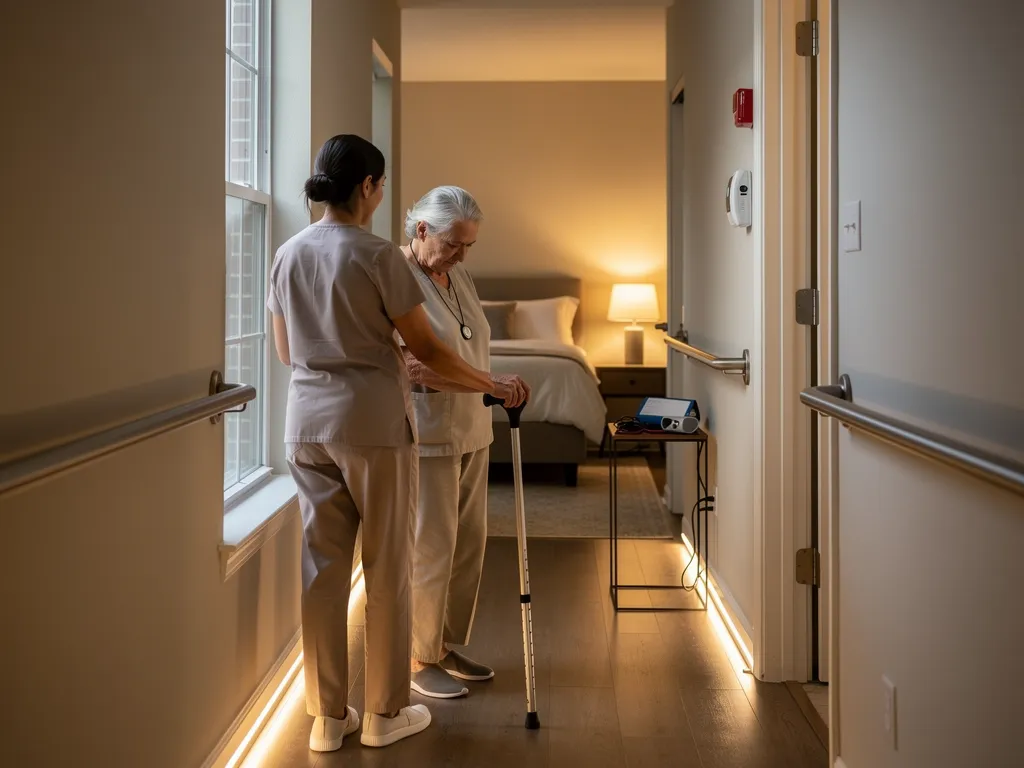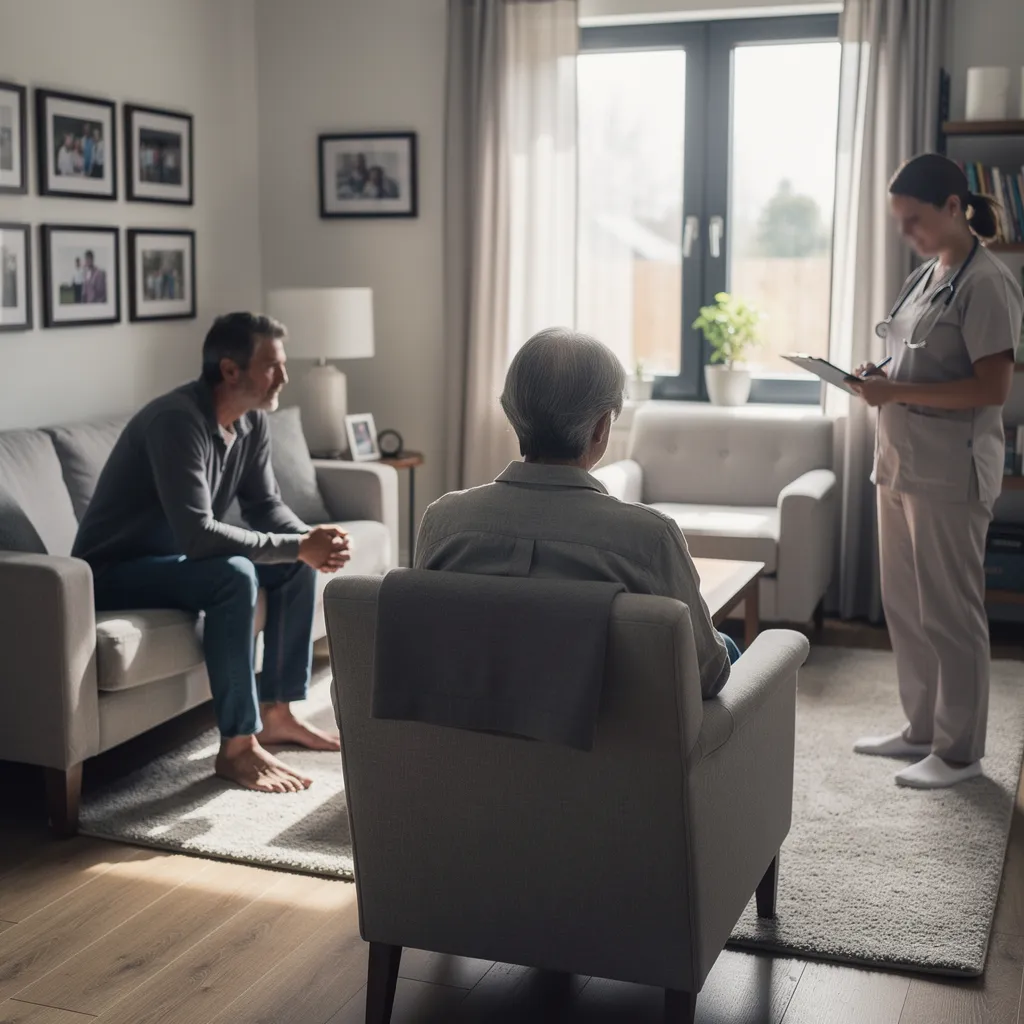

When it comes to How Does the in-Home Assessment Process Work and What Can I Expect?, A 1Missionhomecare.Com free in-home assessment from 1 Mission Home Care involves a care coordinator visiting the home to evaluate mobility, memory, and daily living needs. The family discusses concerns directly, and the coordinator builds a personalized care plan, matching the senior with a THHS certified caregiver supervised by a registered nurse.
What Should You Prepare Before the Visit?
Preparation for a free in-home assessment starts with a simple checklist, not a deep clean of the house. 1 Mission Home Care offers this no-cost evaluation before any care begins, so the goal is information gathering, not inspection. cite-1 A little organization beforehand helps the visit run smoothly and produces a more accurate picture of what’s needed.
What documents should families gather beforehand?
A current medication list ranks as the top priority. Medication review is a standard part of intake. The coordinator will ask when each medication gets taken, who handles refills, and whether reminders are necessary. Families should also collect recent hospital discharge papers, a list of current doctors, and any insurance or long-term care policy information. Having these items on hand saves time and prevents follow-up phone calls later.
What information should families think through in advance?
Daily routine details matter just as much as paperwork. Families should consider mealtimes, bathing and dressing habits, sleep patterns, and mobility challenges before the coordinator arrives. This reflection helps build a care plan around the senior’s actual life rather than a generic template.
A short mental walkthrough works well:
- List all medications, dosages, and refill responsibilities.
- Note typical wake and sleep times, plus any nighttime issues.
- Identify tasks the senior struggles with most — bathing, cooking, or getting around the house.
- Write down questions about caregiver qualifications, scheduling, or costs.
The assessment exists to pinpoint the specific needs of the family member so the right caregiver gets matched afterward. cite-1 Arriving with this groundwork done turns the visit into a productive conversation instead of a guessing game.
How Does the in-Home Assessment Process Work and What Can I Expect?

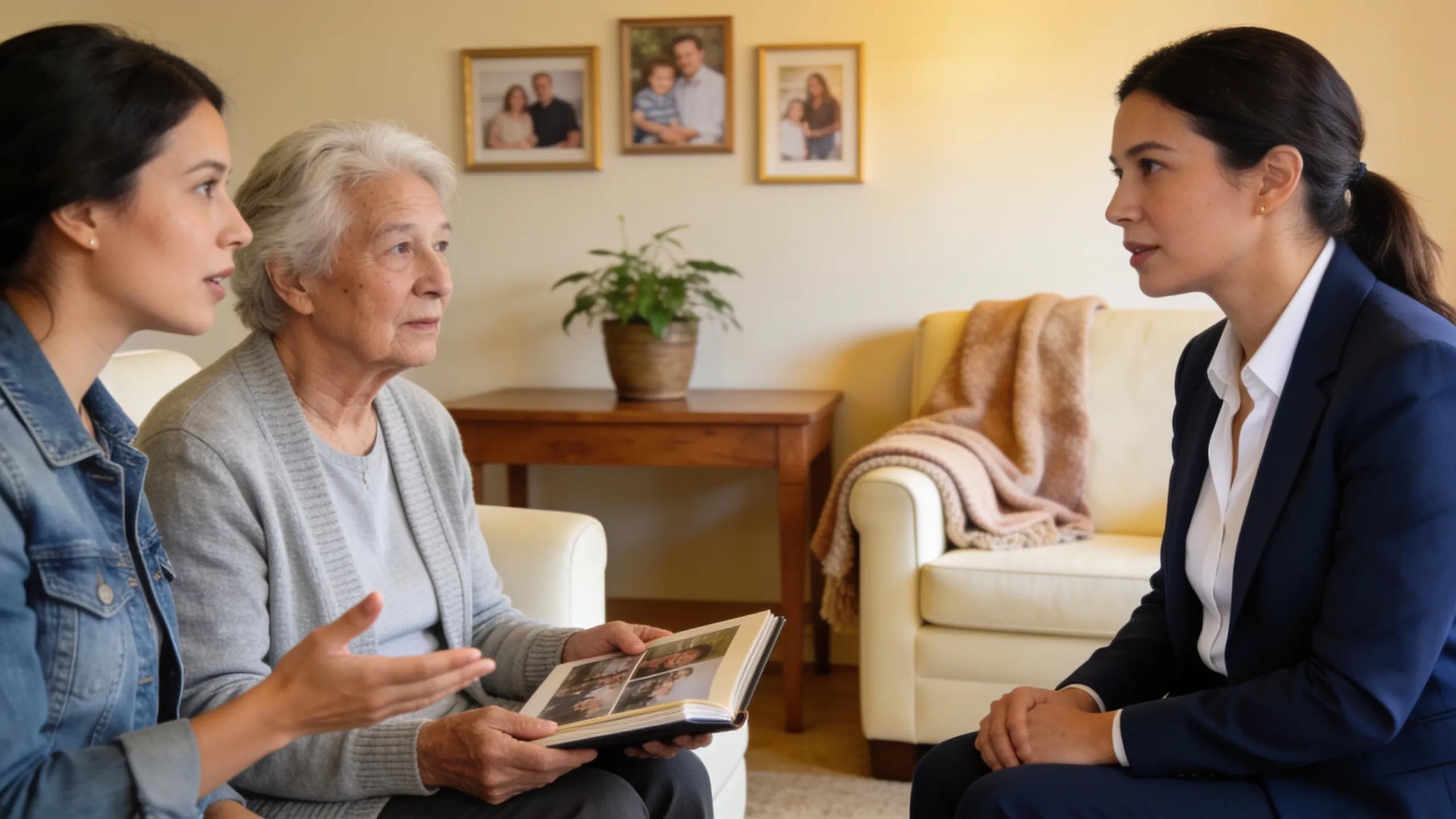
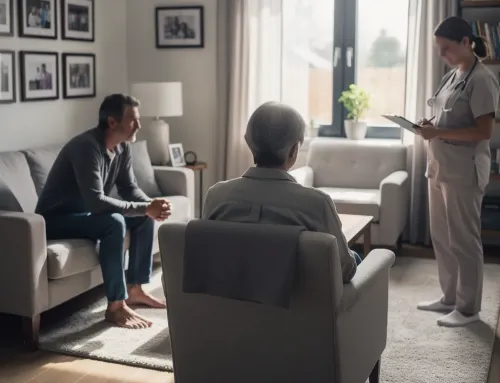
A care coordinator visits the family’s home to walk through a free in-home assessment, reviewing the senior’s daily needs, safety concerns, and medical background. Families lose valuable time when care starts without a clear plan. Mismatched caregivers and generic schedules often mean repeated adjustments later. A structured evaluation prevents that scramble by identifying exactly what support the senior requires before care begins.
The visit happens where the senior already feels at ease: the living room, kitchen table, or bedroom. This setting matters because personal topics like bathing, medication, and memory changes are easier to discuss at home than in a clinical office. The coordinator listens first, asks questions second, and treats the senior’s comfort as the starting point for every conversation.
What Does the Coordinator Ask About During the Visit?
Expect questions covering chronic conditions such as diabetes, COPD, or heart disease, along with recent surgeries and hospital stays. The coordinator also asks about current concerns the family is facing day to day. These details shape how urgent or extensive the care plan needs to be.
What Happens After the Assessment Is Complete?
Findings from the visit become the foundation for a care plan built around the senior’s specific needs. 1 Mission Home Care then matches that plan with a caregiver suited to the personality and requirements uncovered during the conversation.
The assessment process generally follows this order:
- Schedule the free in-home visit at a convenient time.
- Meet the care coordinator in the home setting.
- Discuss physical health, chronic conditions, and recent medical history.
- Review daily routines, mobility, and safety concerns.
- Receive a tailored care plan paired with a matched caregiver.
Skipping steps or rushing the conversation risks a plan that doesn’t fit the senior’s real situation. Families who complete the full visit walk away with clarity instead of guesswork, and seniors gain a caregiver chosen for their actual needs rather than a one-size-fits-all assignment.
What Happens During the Home Safety Walk-Through?
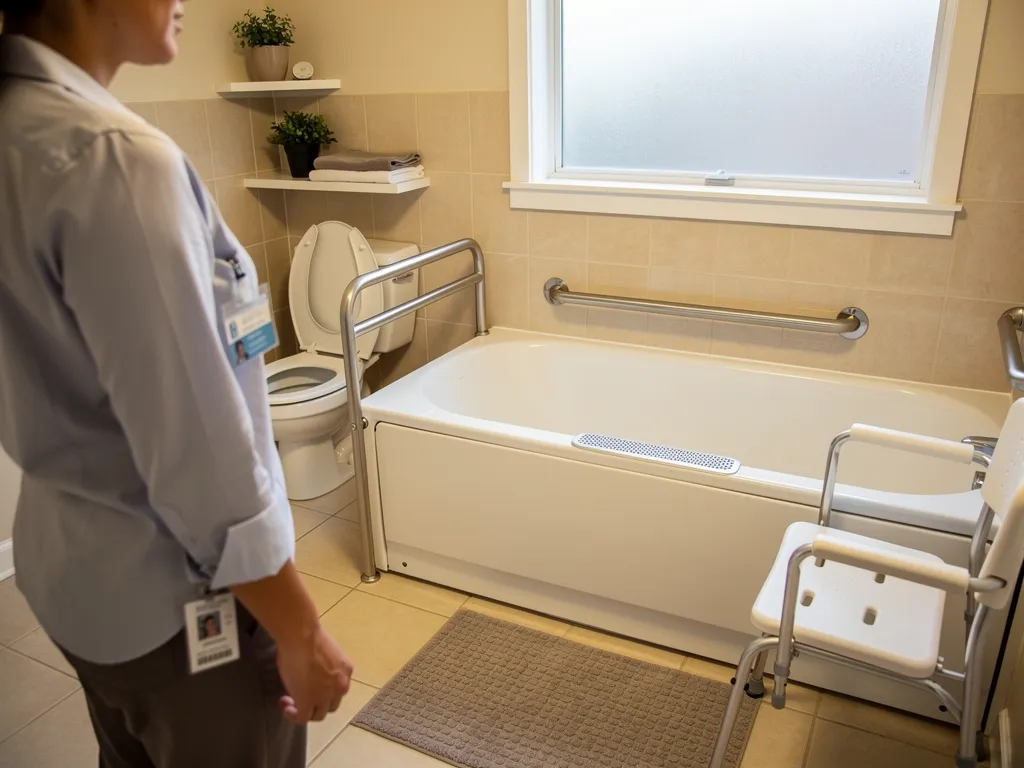
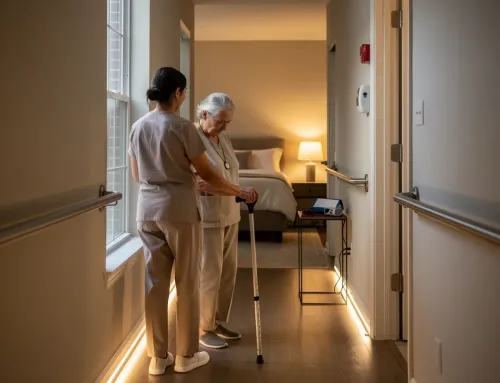
A caregiver’s evaluator walks through every room of the home searching for hazards that could cause a fall or injury. Loose rugs, cluttered hallways, poor lighting, and slippery bathroom floors all get flagged during this home safety walk-through. The goal stays practical: catch small risks before they become big problems.
This physical inspection forms one piece of the larger evaluation. The safety check works alongside conversations about medical history, daily routines, and personal preferences, giving the care team a full picture of what the household actually needs. Families in McKinney, Plano, and nearby Texas communities receive this same structured visit. 1 Mission Home Care conducts in-home evaluations across those areas. cite-1
What Areas of the Home Get Checked?
Bathrooms, stairways, kitchens, and bedrooms typically draw the closest attention. These spaces carry the highest fall risk for older adults. Evaluators look at grab bar placement, flooring conditions, furniture layout, and lighting in hallways and entryways. Electrical cords, throw rugs, and cluttered walkways also get noted, since tripping hazards hide in plain sight.
What Happens After the Walk-Through Ends?
Once the inspection wraps up, the evaluator sits down with the family to talk through findings. Recommendations follow a simple sequence:
- Identify the specific hazards found in each room.
- Explain why each hazard raises fall risk for the individual’s condition.
- Suggest practical fixes — better lighting, grab bars, furniture rearrangement.
- Connect these safety adjustments to the broader care plan being developed.
This discussion helps families understand exactly how the home can be optimized for maximum safety before care even begins.
How Is Your Personalized Care Plan Created?

A care coordinator turns assessment findings directly into a written plan of action. Every recommendation traces back to what the family and senior described during the home visit, not a generic checklist. 1 Mission Home Care builds personalized care plans with one-on-one care at the center. The resulting schedule reflects the specific person, not a standard package. cite-1
The process follows a clear sequence:
- Review the assessment notes covering mobility, medication needs, and daily routine.
- Match those needs to a level of support, whether that means occasional check-ins or daily hands-on help.
- Assign caregivers who fit the household, all of them a notable share THHS certified and supervised by registered nurses for clinical oversight.
- Select services from a full continuum of care, ranging from companion visits to specialized Alzheimer’s and dementia support.
- Confirm the schedule with the family before care begins, then adjust as needs change over time.
Will the Plan Fit Around an Existing Family Schedule?
Yes. The goal is a plan that works around the family’s life, not one that forces the family to reorganize around a caregiver’s availability. Mealtimes, sleep patterns, appointments, and existing routines stay intact wherever possible.
What if Needs Change After the Plan Starts?
Care plans are not static documents. Registered nurse oversight means changes in health status get noticed quickly, and the schedule adjusts accordingly. A senior recovering from surgery might need more frequent visits initially. A family managing early dementia symptoms might need a plan that expands as memory challenges progress. Flexibility, built on ongoing nurse supervision, keeps the plan relevant rather than outdated.
What Mistakes Should Families Avoid After the Visit?
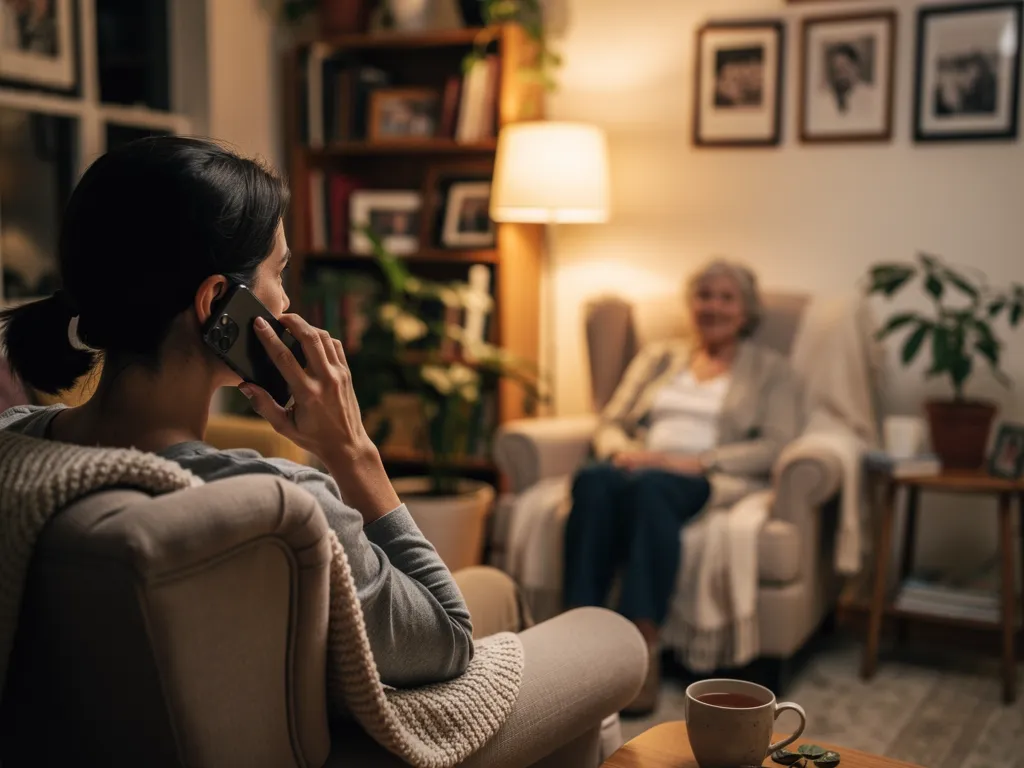
Two errors stand out after an in-home assessment: staying silent about daily routines and delaying follow-up questions. Families overwhelmed by the range of senior care options often let anxiety take over instead of using the consultation to get clarity. Skipping details about mealtimes, sleep patterns, and personal care habits ranks among the biggest missteps. That information shapes a workable care plan built around the parent’s actual life, not a generic template.
Should families wait to ask questions after the assessment?
No. Questions matter just as much after the visit as during it. 1 Mission Home Care remains available 24/7, so families can call anytime new concerns surface about medications, safety, or scheduling. cite-1
What if the family disagrees with parts of the plan?
Speak up right away rather than accepting a plan that feels off. Because 1 Mission Home Care is locally owned and operated, adjustments happen through direct conversation, not a distant call center. cite-1
Common post-visit mistakes include:
- Withholding routine details out of embarrassment
- Assuming one conversation covers every future need
- Delaying calls when circumstances change
Avoiding these missteps keeps the care plan accurate and the family informed.
An in-home care assessment marks the beginning of a personalized journey toward maintaining independence and quality of life at home. By understanding your unique needs, preferences, and living environment, you and your care team establish a foundation built on trust and tailored support. This thoughtful evaluation process reflects our commitment to compassionate, family-oriented care that honors your dignity while addressing the specific challenges you face. Your assessment becomes the roadmap for meaningful, respectful support designed around your life, not the other way around.
Frequently Asked Questions
How much does the in-home assessment cost?
The in-home assessment from 1 Mission Home Care is completely free, with no obligation to start care afterward. The visit is designed purely to gather information and help the family understand what level of support would work best.
How long does the in-home assessment take?
The assessment typically takes about an hour, though the exact length depends on how much the family wants to discuss. It covers the senior’s medical history, daily routines, mobility, and a walk-through of the home to check for safety hazards.
Who comes to the home for the assessment?
A care coordinator from 1 Mission Home Care visits the home to meet the senior and family, ask questions about health and daily living needs, and inspect the home for fall risks. This same person typically helps build the personalized care plan afterward.
Does the senior need to do anything special to prepare?
No special preparation or cleaning is required. Families are simply encouraged to gather a current medication list, recent hospital discharge papers, doctor contacts, and insurance information, and to think through daily routines like mealtimes and sleep patterns beforehand.
What happens if the care plan needs to change later?
Care plans are never fixed in place. Because a registered nurse oversees each plan, changes in health or daily needs get noticed quickly, and the schedule can be adjusted at any time as circumstances change.



 Copyright © All rights reserved