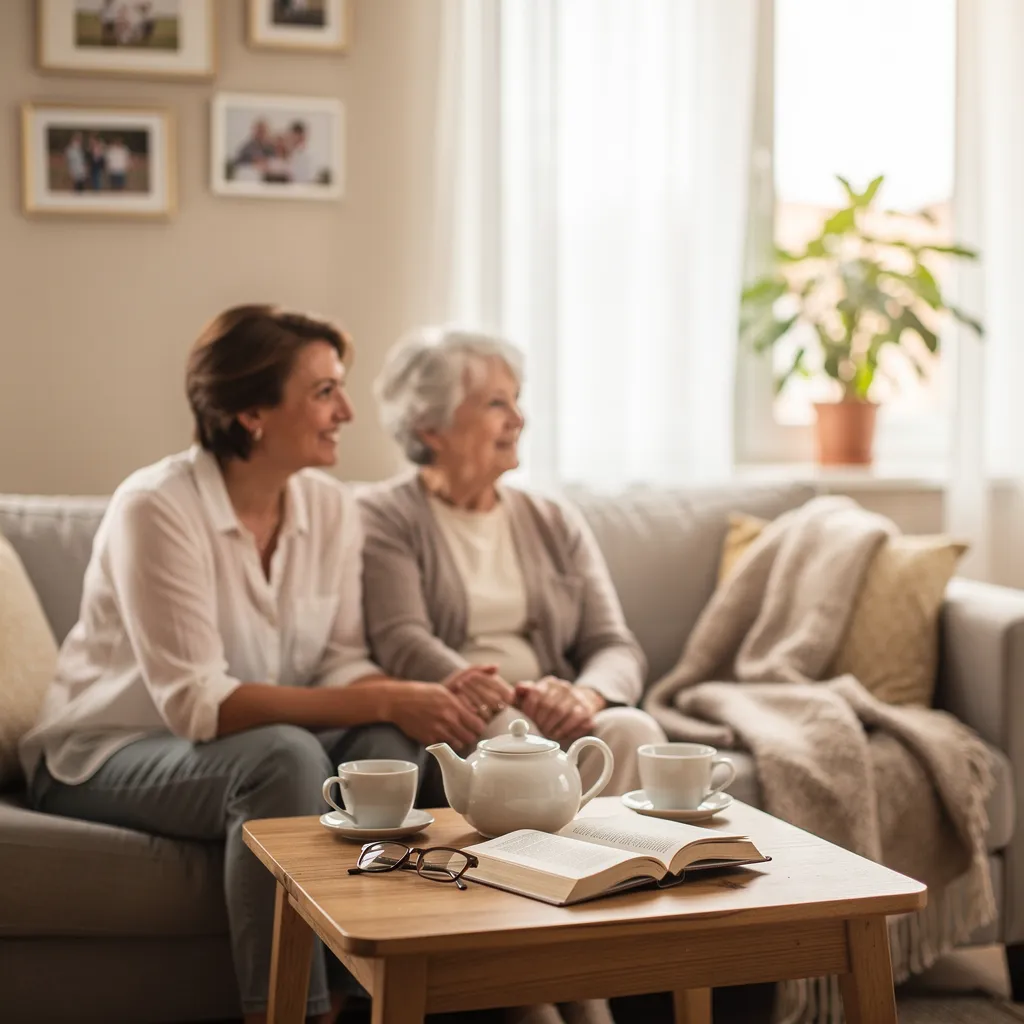
When it comes to What Distinguishes 1Mission Home Care’s Caregivers and Training From Competitors in the Area?, 1 Mission Home Care caregivers stand apart through a notable share THHS certification, rigorous vetting with background and reference checks, and ongoing training under registered nurse supervision. Families receive a free in-home assessment, one-on-one personalized care plans, and interactive caregiving that engages mind, body, and spirit for clients needing training and support services.
Why Compare Caregiver Training Before You Hire?
Caregiver training separates dependable home care from risky guesswork. Families evaluating agencies for **1Missionhomecare.Com** often assume most providers offer similar services. The vetting process behind the caregiver matters more than the brochure. Skipping this comparison risks placing a loved one with someone unprepared for a medical emergency or a sudden behavioral change tied to dementia.
Families researching home care options are increasingly comparing agencies on caregiver quality. Training, not simply on the list of services offered. cite-1 A caregiver’s background check and reference verification only tell part of the story. What happens after hiring — the depth of comprehensive training. Reveals how an agency will actually perform once care begins.
What makes 1 Mission Home Care’s caregivers different from other agencies?
What distinguishes 1 Mission Home Care’s caregivers and training from competitors in the area comes down to continuity. Caregivers complete a rigorous vetting process, then receive ongoing training and support designed to keep them current on best practices in senior care. That combination — thorough screening plus continued education — is offered as the agency’s direct answer to families asking what sets it apart.
What services should a caregiving team be trained to handle?
A well-trained caregiver should be prepared for more than basic tasks. Services should span:
- Personal care and companionship
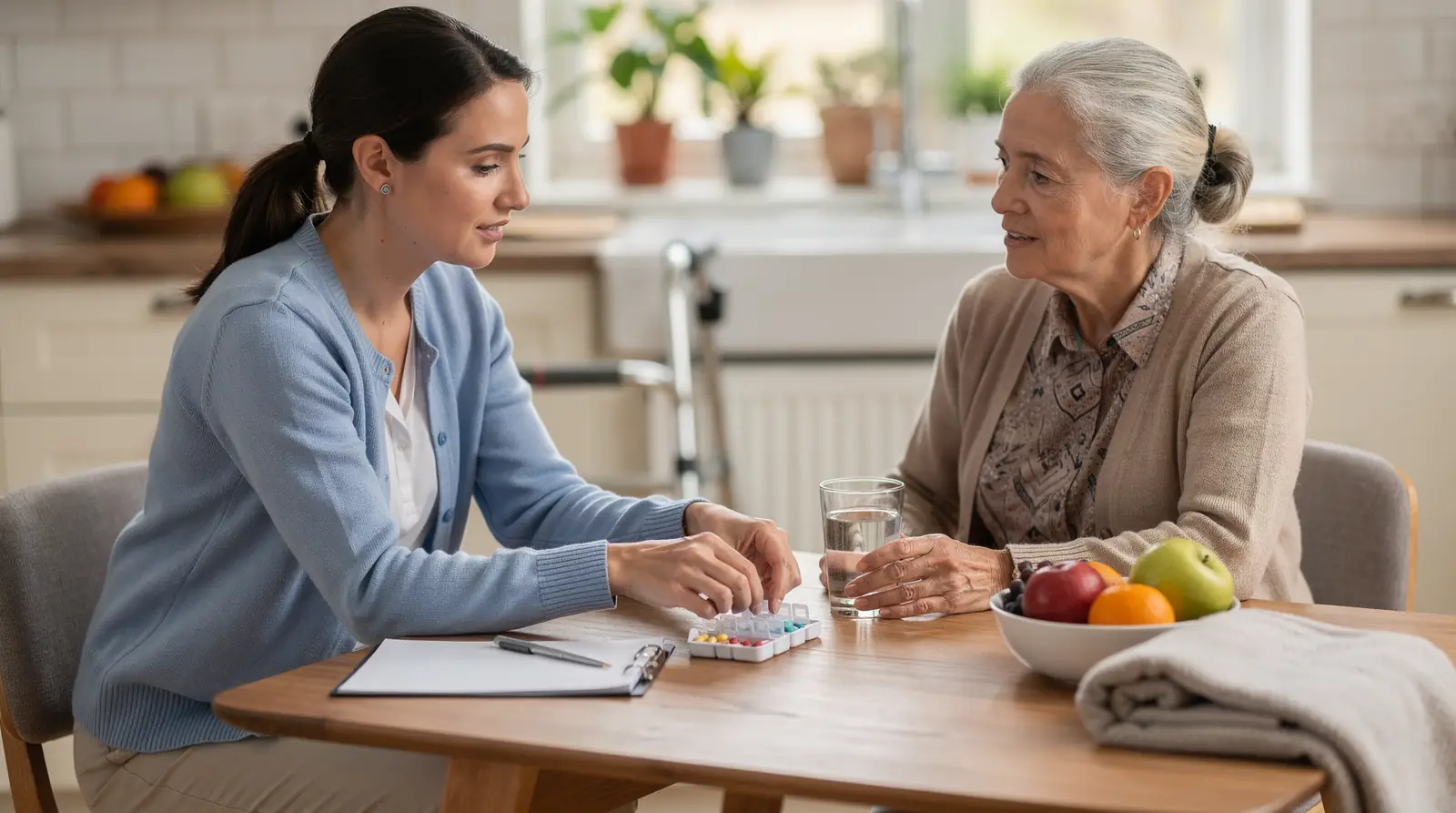
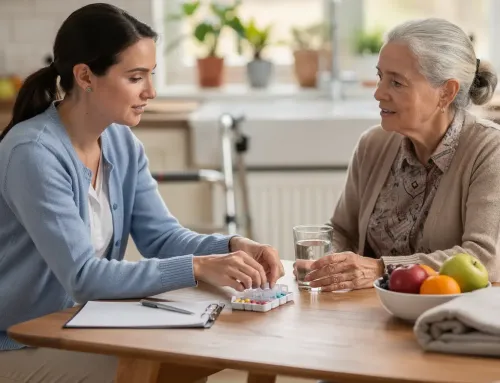
- Meal preparation and medication management
- Light housekeeping and transportation
- Specialized care for dementia or Parkinson’s disease
Agencies unable to demonstrate training across this full range leave families exposed when a loved one’s needs shift unexpectedly. Comparing training depth before signing a care agreement protects against that gap.

How Are Caregivers Vetted And Matched?
Every caregiver placed with a family in Training And Support clears a rigorous vetting process before ever entering a home. That process includes background checks, reference checks, and comprehensive training, screening out anyone who doesn’t meet strict standards for trust and skill. Families in Training And Support gain peace of mind knowing this screening happens long before a caregiver ever meets their loved one. 1 Mission Home Care ships this same vetting standard to every household it serves, regardless of location.
What Distinguishes 1Mission Home Care’s Caregivers and Training From Competitors in the Area?
The difference shows up in the matching step, not just the screening step. Many agencies assign whoever is available; matching here depends on compatibility, skills, and the specific needs of the client. Families are never locked into a caregiver who isn’t working out.
- Caregivers get selected based on personality fit and care requirements, not just scheduling convenience
- Feedback from the family shapes ongoing adjustments to the match
- A new caregiver can be arranged if the current pairing isn’t a good fit
That flexibility matters most in Training And Support, where families juggle full schedules and need consistency they can count on.
Are Caregivers Actually Trained For Senior Care, Or Just Background-Checked?
Vetting covers character and safety; training covers competence. Caregivers serving families in Training And Support are described as compassionate, empathetic, and committed, backed by comprehensive training and a deep understanding of senior care. cite-2 That combination lets them provide personalized support rather than generic assistance.
Skipping either step, screening or training, raises real risk. A caregiver with no training may pass a background check yet still lack the skill to manage medication schedules, mobility challenges, or memory-related behaviors safely. Families evaluating options for a parent in Training. Support should ask providers directly how vetting and training work together, not separately.
What Support Structure Backs Every Caregiver?
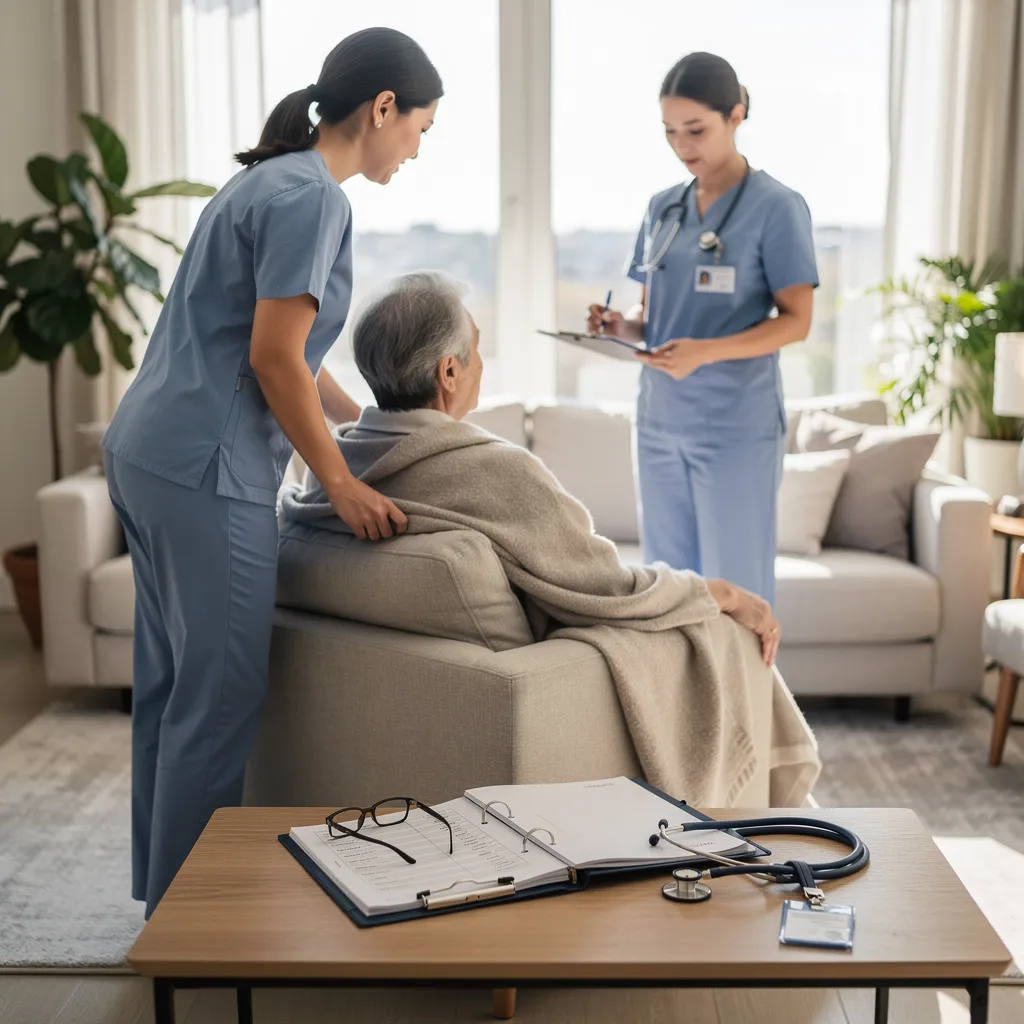
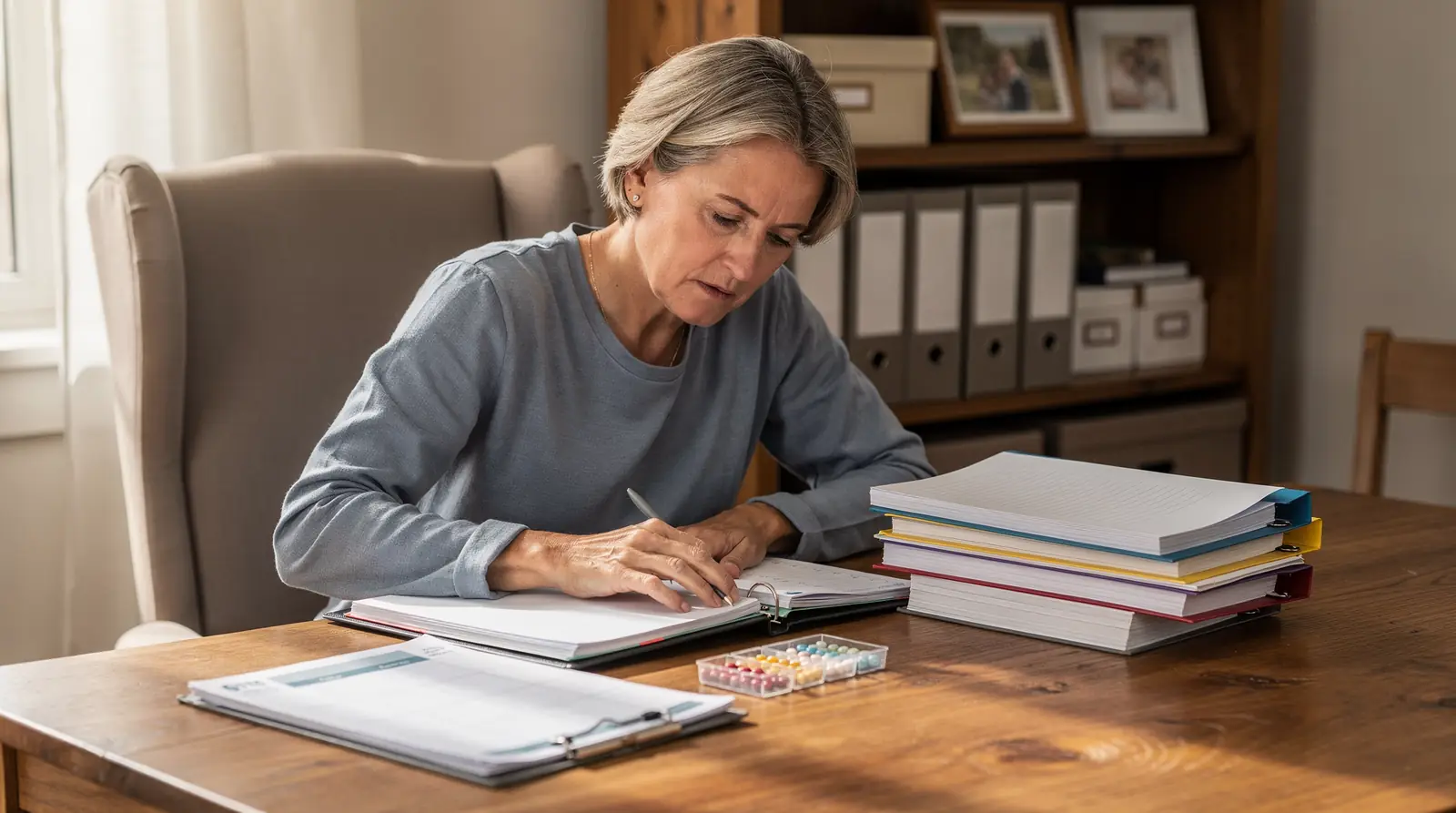
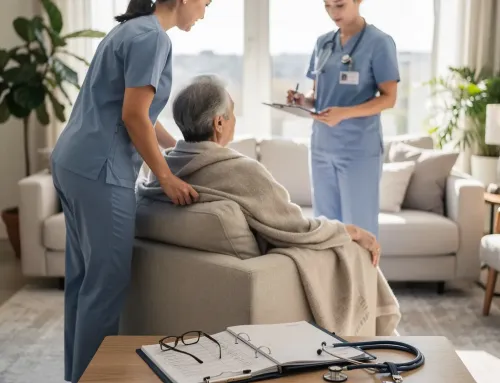
A layered oversight system backs every caregiver assigned to a training and support case. Registered nurses supervise all staff, and RN Care Coordinators build the actual care plan alongside the family. This is not a solo caregiver working without guidance. It is a coordinated team designed to catch problems before they become emergencies.
RN Care Coordinators sit at the center of this structure. These professionals work directly with families to shape and adjust personalized care plans as needs change. They stay reachable for questions, so a family managing training and support for an aging parent never has to wait days for direction.
Clinical oversight is what distinguishes 1Mission Home Care’s caregivers. Training from competitors in the area, separating this model from agencies that offer companionship alone. Caregivers carry a notable share THHS certification, and every one of them reports to a registered nurse. That means a family gets more than a friendly visitor. They get a documented, supervised layer of care built on nursing standards.
What does an RN Care Coordinator actually do day to day?
An RN Care Coordinator monitors how a care plan performs against a senior’s real needs, not just what was written at intake. Coordinators adjust the plan as conditions shift and stay available to field family questions without delay. This ongoing involvement, rather than a one-time setup call, keeps training and support services aligned with changing circumstances.
Beyond clinical supervision, the agency also absorbs the logistical burden that usually falls on families. Scheduling, coordination, and day-to-day management of home care get handled from the start of service. Families spend less time juggling logistics and more time actually present with their loved one, which is the outcome most families are searching for in the first place.
What Does The Caregiving Process Actually Look Like?
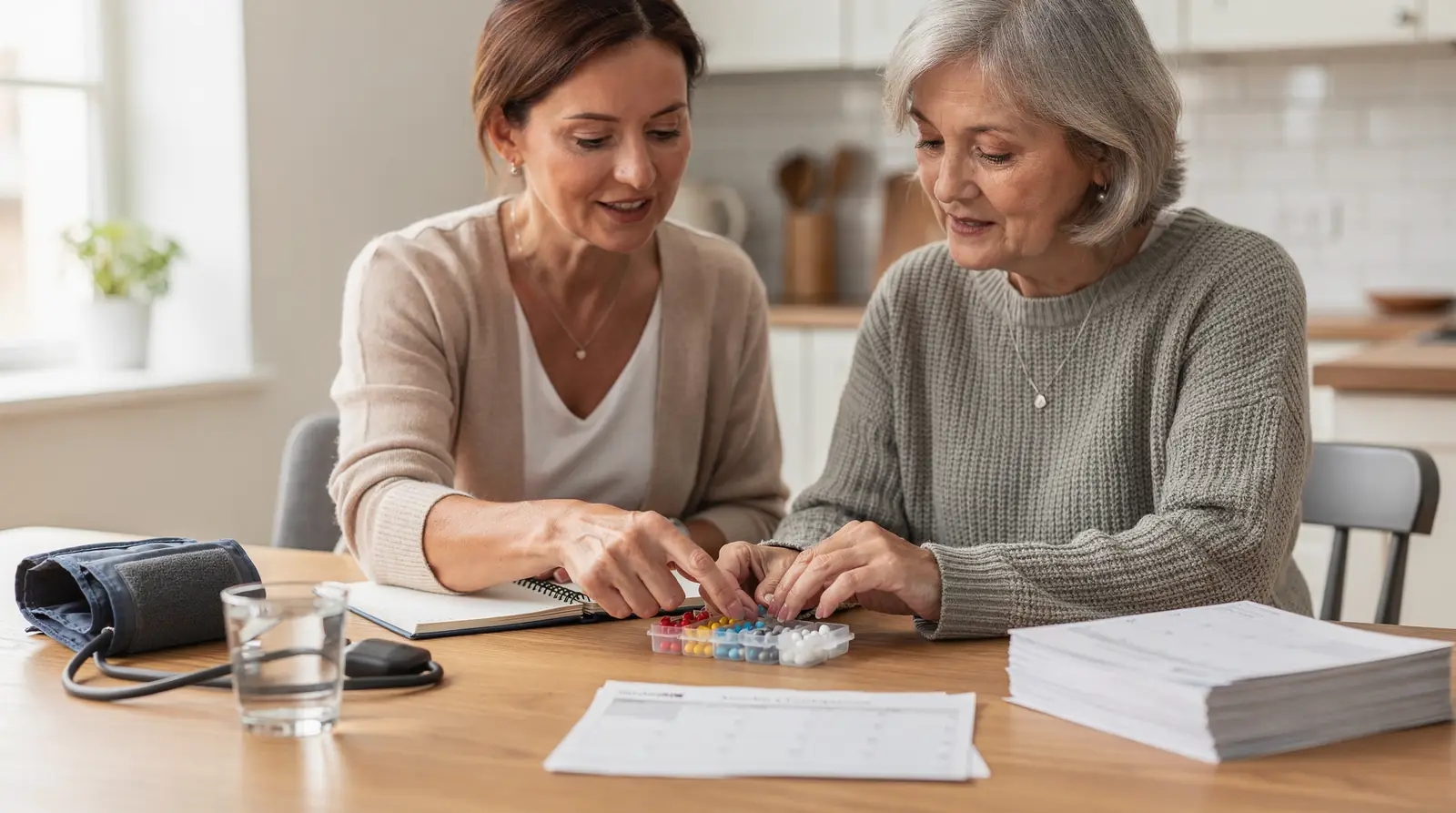
Structured routines built around real engagement define the day-to-day caregiving experience, not just checklists of chores. For families weighing home care options for training. Support, the daily rhythm matters as much as the credentials behind it. Interactive caregiving sits at the center of the model, built around activities that engage the mind, body, and spirit so clients stay active and mentally stimulated rather than passively supervised. cite-3
A caregiver’s job goes well beyond finishing tasks on a list. Relationships form through consistent, meaningful interaction — conversation, shared routines, and genuine companionship that offers emotional support alongside practical help. Families researching training and support services often find this distinction is what separates a mediocre agency from one families trust for years.
What makes the daily care routine different from typical home care?
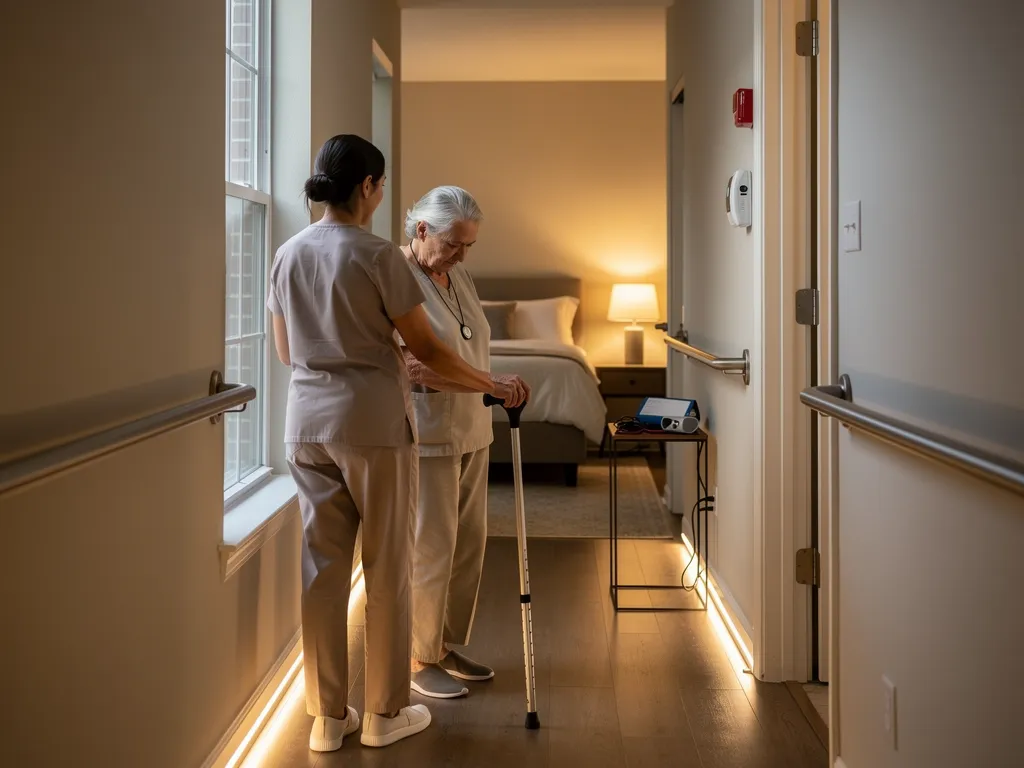
The routine follows a holistic approach, weighing physical, emotional, social, and mental well-being together instead of treating care as a series of separate chores. A caregiver might help with mobility in the morning, then transition into a card game or conversation that supports memory and mood. That blend of practical and emotional care shapes every visit.
How do caregivers build trust with clients over time?
Trust builds through repetition and attentiveness, not paperwork. Caregivers show up consistently, learn preferences, and adjust their approach as needs shift.
Families comparing training and support providers should look for evidence of this whole-person model in practice, including:
- Daily engagement activities tailored to the client’s interests and abilities
- Consistent caregiver assignments that allow relationships to deepen
- Attention to emotional and social needs, not just physical tasks
- Regular communication with family members about changes in condition
This structure gives families confidence that care extends beyond supervision into genuine support.
How Do You Handle A Caregiver Mismatch?
A mismatch gets solved through direct feedback, not silence. Families receiving training and support services are encouraged to speak up right away if a caregiver’s style, pace, or personality doesn’t fit their loved one’s needs. That feedback triggers a review, and adjustments follow until the pairing works.
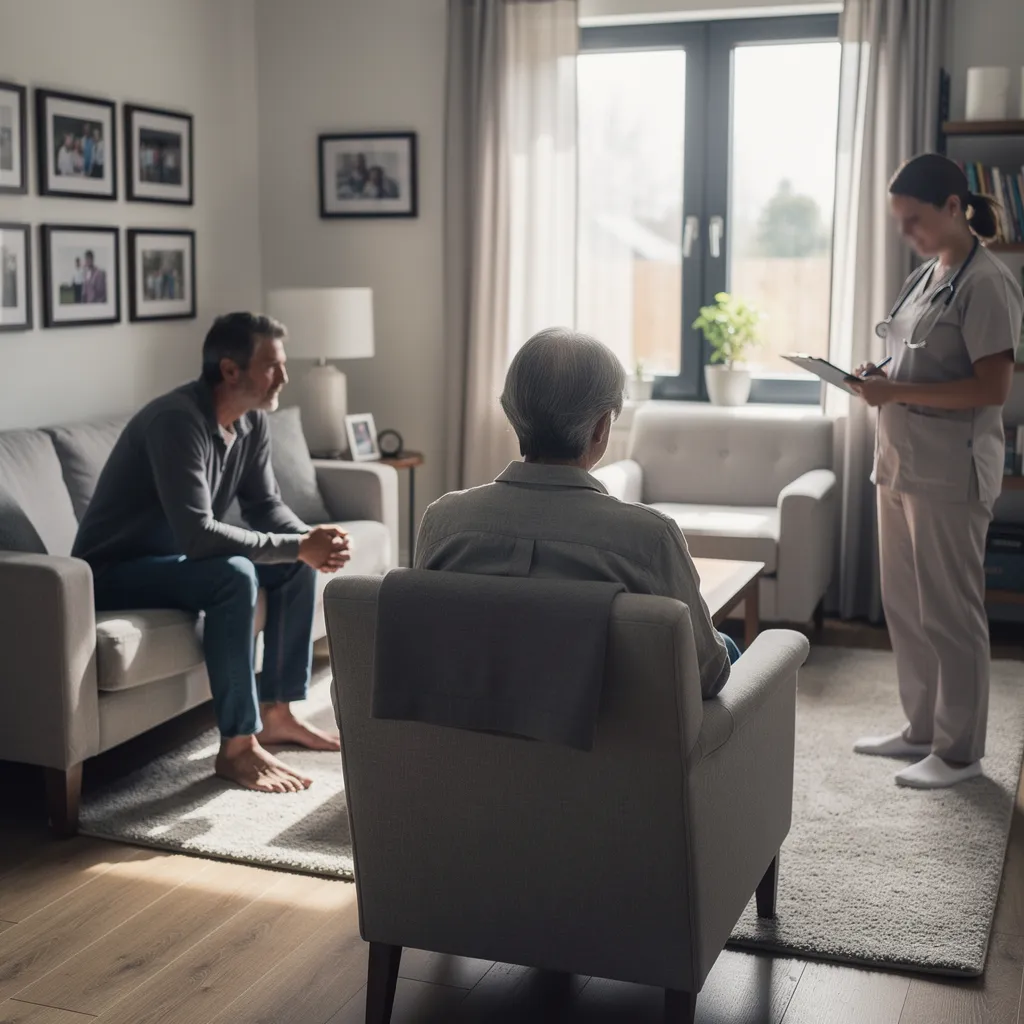
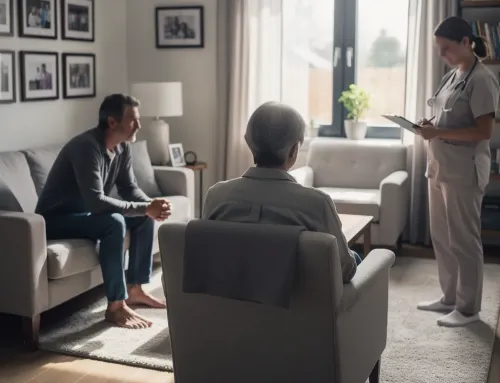
This process starts long before a caregiver ever walks through the door. Every engagement begins with a free in-home assessment designed to map out the specific needs of the person receiving care. That groundwork reduces mismatches from the outset, since caregivers are matched to documented needs rather than guesswork.
What happens if the first caregiver isn’t the right fit?
Families flag the concern, and the agency works with them to find a better match. This might mean adjusting the caregiver’s approach or assigning someone new entirely. The goal stays constant: a comfortable, trusting relationship between caregiver and client.
Why does local ownership matter for training and support care?
Being locally owned and operated means the team stays close to the families it serves, ready to respond quickly when something isn’t working. That accessibility matters most during a mismatch, when speed of response determines how long a family goes without proper support.
Steps families can expect when raising a concern:
- Share specific feedback about the caregiver relationship
- Discuss adjustments to caregiving style or scheduling
- Request a different caregiver if needed
- Confirm the new match aligns with the original in-home assessment
Mismatches get corrected, not tolerated.
At 1 Mission Home Care, our commitment to caregiver excellence reflects our broader mission: enabling seniors to thrive at home. By maintaining rigorous certification standards, fostering continuous professional development, and pairing caregivers with registered nurse supervision, we create a foundation of trust and competence. This dedication to training and support transforms caregiving from a job into a calling—one where compassion meets expertise. Every senior receives the dignified, skilled care they deserve.
Frequently Asked Questions
What certification do 1 Mission Home Care caregivers hold?
A notable share of 1 Mission Home Care caregivers hold THHS certification. Every caregiver also completes a rigorous vetting process, including background and reference checks, before receiving ongoing training under registered nurse supervision.
How does 1 Mission Home Care match caregivers with clients?
Matching is based on personality fit, skills, and the specific needs of the client rather than simple scheduling availability. Family feedback shapes ongoing adjustments, and a new caregiver can be arranged if a pairing isn’t working out.
What happens if a caregiver isn’t the right fit for my loved one?
Families are encouraged to share feedback right away. That feedback triggers a review, and adjustments follow — whether that means changing the caregiver’s approach or assigning someone new — until the match works for everyone involved.
Are caregivers trained to handle dementia or Parkinson’s care?
Yes. Caregivers receive training that spans personal care, medication management, and specialized support for conditions like dementia and Parkinson’s disease, so families don’t face gaps in care when a loved one’s needs shift.
Who oversees the care plan once services begin?
Registered nurses supervise every caregiver, and RN Care Coordinators build and adjust the personalized care plan alongside the family. This clinical oversight stays in place for the life of the care plan, not just at intake.
How do I get started with a caregiver assessment?
Every engagement begins with a free in-home assessment that maps out the specific needs of the person receiving care, which helps ensure the right caregiver match from the start.
Conclusion
At 1 Mission Home Care, caregiver excellence supports a broader mission: helping seniors thrive at home. Rigorous vetting, ongoing training under registered nurse supervision, thoughtful caregiver-client matching, and a willingness to adjust when a pairing isn’t working together set a standard families can rely on. That combination of screening, clinical oversight, and interactive, whole-person care is what separates dependable home care from guesswork — and it’s the standard every family in Training and Support can expect from their caregiver.

 Copyright © All rights reserved